


 English
 中文简体
中文简体 Español
Home / News / Industry News / Why Choose a Medium-Temperature Quick Pull-Down Evaporator for Fast, Reliable Cooling?
Industry News
Content
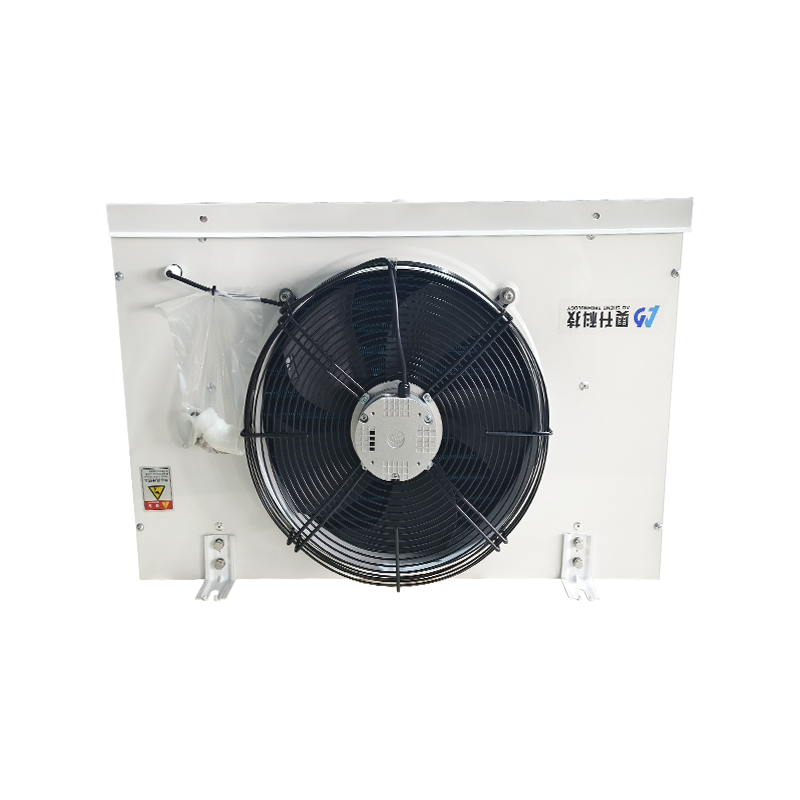
A medium-temperature (0°C to -25°C) quick pull-down evaporator is engineered to remove heat from a product or space far faster than a standard evaporator coil. Instead of gradually bringing a room or product down to temperature over several hours, this type of unit is built to push large volumes of cold air across the coil in a short window, dramatically shortening the time it takes to move product from a warm or ambient state into a safe refrigerated or frozen range. This speed matters most in operations where every extra minute in the temperature danger zone increases the risk of bacterial growth, texture degradation, or spoilage.
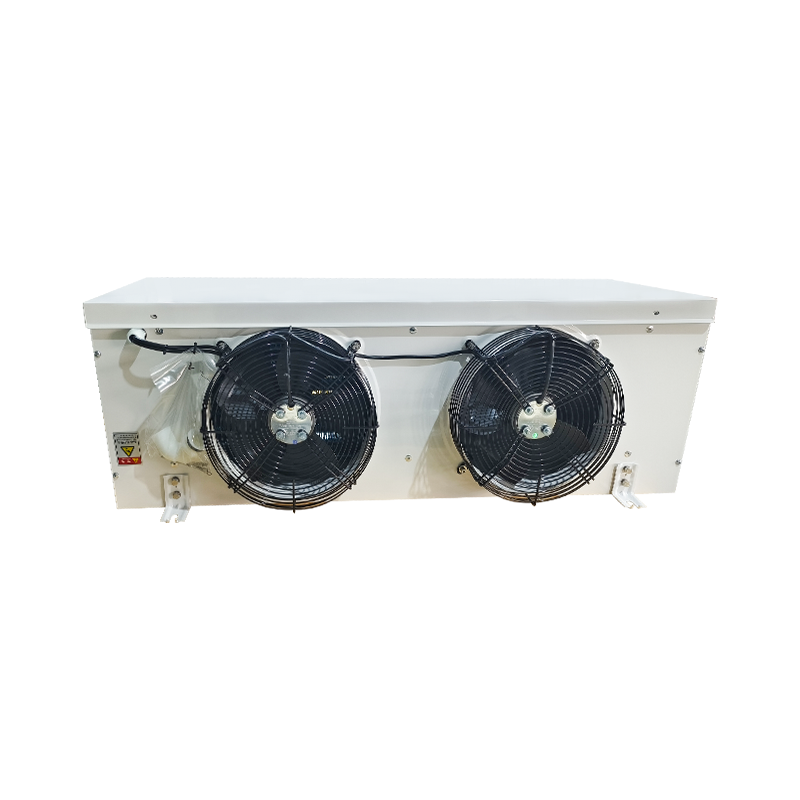
The core difference between a standard evaporator and a pull-down model lies in coil design, fan capacity, and airflow pattern. Pull-down units are built with a higher ratio of coil surface area to airflow volume, allowing them to extract heat more aggressively without freezing the coil prematurely or creating uneven cold spots inside the cabinet or room.
Speed of cooling is not just a convenience in certain industries, it is a food safety requirement. Several sectors rely heavily on quick pull-down evaporators to meet both regulatory standards and product quality expectations.
In meat cutting rooms, freshly processed product needs to be brought down to safe holding temperatures as quickly as possible to limit bacterial growth on exposed surfaces. A quick pull-down evaporator mounted on the ceiling of a processing room can rapidly chill product immediately after cutting, reducing the window during which pathogens can multiply.
Seafood is especially sensitive to temperature abuse due to its high moisture content and rapid enzymatic breakdown. Fast cooling immediately after catch processing or filleting helps preserve texture, prevent off-odors, and extend shelf life, all of which directly affect the price a processor can command for the finished product.
Dairy products require consistent, controlled cooling to maintain flavor stability and prevent ice crystal formation that affects mouthfeel. Ice cream hardening rooms in particular depend on strong, even airflow to set product quickly after it leaves the freezer barrel, locking in the intended texture before it can be packaged and stored.
Distribution centers handling perishable goods use quick pull-down evaporators in staging areas to rapidly re-chill product after loading or unloading, minimizing the cumulative time that goods spend above their target temperature as they move through the supply chain.
The concept of the temperature danger zone, generally recognized as the range between 4°C and 60°C, is central to food safety planning. Bacteria multiply most rapidly within this range, and the longer a product remains inside it, the greater the risk of contamination reaching unsafe levels. A quick pull-down evaporator is specifically designed to shorten this exposure window as much as possible.
These quality benefits translate into fewer rejected batches, less product waste, and stronger compliance outcomes during health inspections, all of which have a direct impact on the profitability of a processing or storage operation.
The performance of a quick pull-down evaporator depends heavily on how effectively it transfers heat out of the refrigerated space. High-efficiency aluminum fins paired with an optimized coil layout increase the surface area available for heat exchange, allowing the refrigerant to absorb heat from the surrounding air more quickly than a standard fin arrangement would allow.
Fan selection plays an equally important role. Low-energy, high-airflow fans are chosen specifically to move large volumes of cold air across the coil and throughout the room without creating excessive noise or drawing unnecessary power. This balance is important in staff-occupied areas such as butcher shops or restaurant walk-in freezers, where constant loud fan noise would be disruptive to daily operations.
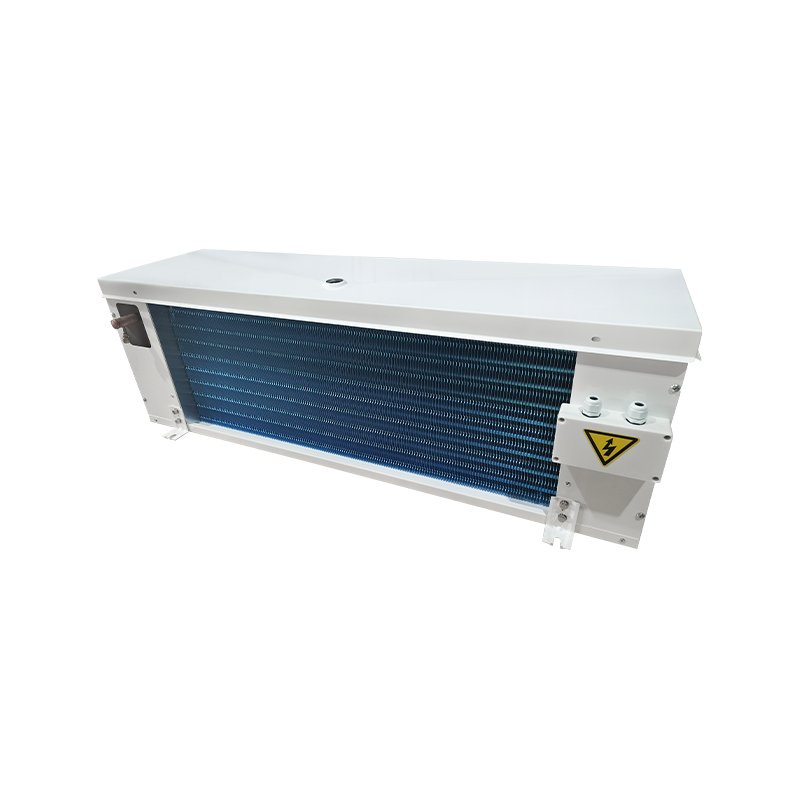
Understanding the practical differences between a standard evaporator and a quick pull-down unit helps buyers determine whether the added performance is necessary for their specific application.
| Feature | Standard Evaporator | Quick Pull-Down Evaporator |
| Cooling Speed | Gradual temperature reduction | Rapid temperature reduction |
| Airflow Volume | Moderate | High |
| Best Suited For | General cold storage holding | Fresh product chilling, hardening, rapid re-cooling |
| Danger Zone Exposure | Longer | Minimized |
Processing environments such as seafood plants and meat cutting rooms are frequently washed down with water and sanitizing chemicals, which places heavy demands on any equipment mounted inside these spaces. A corrosion-resistant coating on the coil and housing helps the evaporator withstand repeated exposure to moisture, salt residue, and cleaning agents without premature rusting or fin degradation. For facilities with particularly aggressive washdown schedules, a stainless steel housing option provides an additional layer of protection, extending the service life of the unit well beyond what a standard painted enclosure could achieve.
Frost buildup on the coil is one of the most common efficiency killers in refrigeration systems, gradually restricting airflow and reducing heat transfer capacity until the unit can no longer maintain its target temperature. Quick pull-down evaporators typically offer two primary defrost strategies to address this issue.
Electric defrost uses heating elements positioned near the coil to melt accumulated frost on a scheduled basis. This method is straightforward to install and maintain, making it a common choice for smaller installations or facilities without access to hot gas defrost infrastructure.
Hot gas defrost redirects warm refrigerant gas through the coil to melt frost more quickly and with less energy consumption than electric elements. This method typically results in shorter defrost cycles, which means less disruption to the cooling process and a faster return to full cooling capacity once the defrost cycle ends.
Quick pull-down evaporators are designed to accommodate a range of mounting configurations depending on the layout of the facility. Ceiling-mounted units work well in butcher shops and processing rooms where floor space is limited and airflow needs to be distributed evenly across a work surface. Wall-mounted configurations suit restaurant walk-in freezers and smaller cold rooms where ceiling clearance is restricted. For larger operations, the evaporator can be integrated directly into a modular cold storage system, allowing the unit to be sized and positioned according to the specific dimensions and product flow of the facility.
When comparing quick pull-down evaporators, buyers should look past the upfront price and consider the full operating cost picture, including energy consumption, maintenance frequency, and expected service life in their specific environment. A unit with efficient fan motors and a well-designed coil can lower electricity costs significantly over years of continuous operation, while corrosion-resistant construction reduces the likelihood of costly early replacement in wet or high-humidity settings. For operations where speed, food safety, and consistent product quality are non-negotiable, investing in a properly sized medium-temperature quick pull-down evaporator often pays for itself through reduced spoilage, fewer compliance issues, and lower long-term energy expenses.
For exclusive deals and latest offers, sign up by entering your email address below.

We specialise in the refrigeration industry. Please feel free to contact us.
