


 English
 中文简体
中文简体 Español
Product Category
Monoblock Condensing Unit Manufacturers
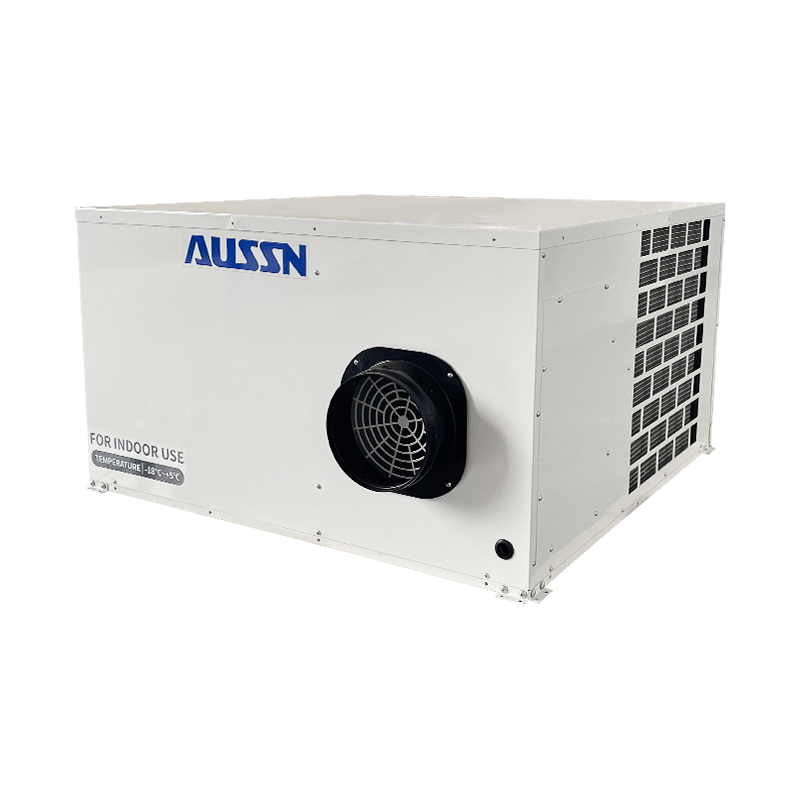
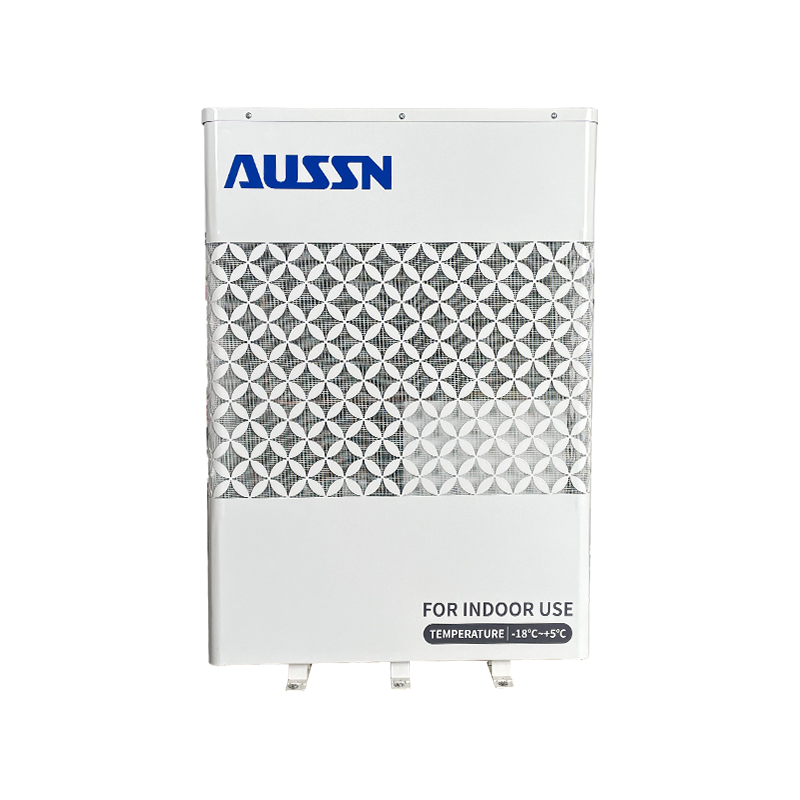
The refrigeration system is fully assembled and debugged before shipment. Users only need to connect the power supply and refrigerant piping, significantly shortening the installation cycle.
- Suitable for locations with limited space, reducing on-site installation complexity.
1. High Efficiency, Energy Saving, and Stable Refrigeration
- Utilizing a high-efficiency scroll/piston compressor, paired with an optimized condenser and evaporator, this unit delivers fast cooling, a high Energy Efficiency Ratio (COP), and reduced operating costs.
- High temperature control accuracy (±1°C), accommodating a wide operating temperature range of -25°C to +5°C (ultra-low temperature models available upon request).
2. Intelligent Control System
- Microcomputer-based automatic temperature control supports temperature settings, operating status display, and fault alarms (such as high/low voltage protection and motor overload protection).
- Optional remote monitoring allows real-time viewing of operating data via mobile phone or computer, enabling intelligent management.
3. Low-Noise Operation, Environmentally Friendly and Durable
- Optimized fan and sound insulation design keep operating noise levels below 65dB, making it suitable for commercial and community environments. - Utilizes environmentally friendly refrigerants (R404A/R410A/R290, etc.), meeting international environmental standards and ensuring zero pollution.
Product Highlights
-Ready-to-use: Pre-charged with refrigerant prior to shipment, eliminating complex commissioning and reducing installation costs.
-Energy Savings: High-efficiency compressors and optimized heat exchange design deliver 15%-30% energy savings compared to traditional units.
-Intelligent Temperature Control: Precisely adjusts storage temperature and supports automatic defrosting, ensuring continuous and efficient operation.
-Quiet Design: Low vibration and noise, suitable for environments requiring a quiet environment.
-Long Life: Rust- and corrosion-resistant materials and industrial-grade key components guarantee a service life of over 10 years.
Typical Applications
- Retail: Convenience store refrigerators and small refrigerated display cases.
- Catering: Cold storage for freshness preservation and frozen food storage.
- Pharmaceutical Cold Chain: Cold storage for pharmaceuticals and vaccines.
- Agriculture & Food Processing: Small fruit and vegetable cold storage and temporary storage for dairy products.
Selection and Service Support
- Available in a variety of sizes (1HP to 7HP), suitable for different cold storage volumes (7m³ to 150m³).
- Customized options available (such as ultra-low temperature, explosion-proof, and suitable for high-humidity environments).
- A professional after-sales team provides comprehensive services, including installation guidance, maintenance, and parts replacement.
With its efficient, convenient, and intelligent features, the MONOBLOCK CONDENSING UNIT is an ideal choice for small and medium-sized cold storage, helping users easily meet their low-temperature storage needs!
About AUSSN
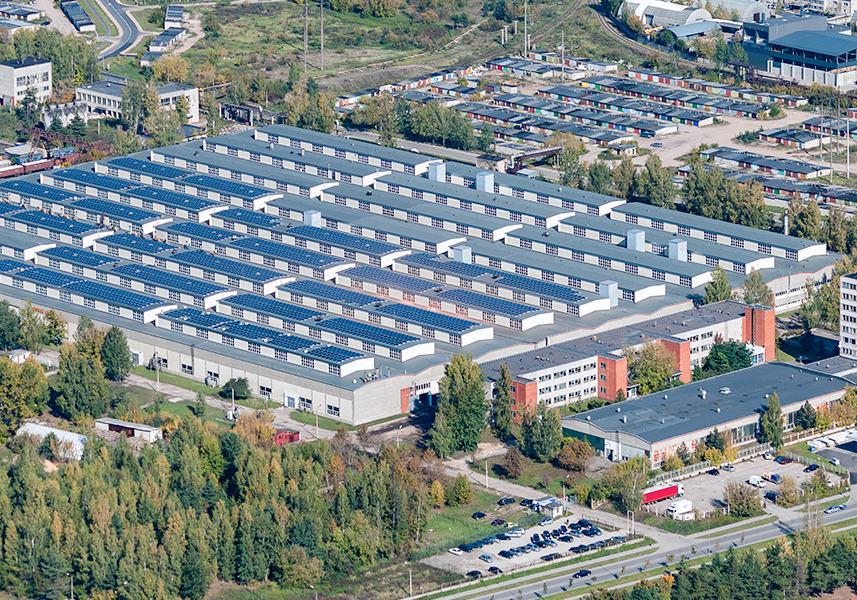
Changzhou Aosheng Refrigeration Technology Co., Ltd. is a professional manufacturer of condensing units that integrates research and development, design, manufacturing, sales, engineering installation and after-sales service. Monoblock Condensing Unit Manufacturers and OEM/ODM Monoblock Condensing Unit Factory in China. The condensing units produced by our company are widely used in commercial refrigerators, cold storage and other projects. The original accessories of the new intelligent unit products are all from major international and domestic brands. The refrigeration system is stable and reliable, with an extremely low failure rate. The first-class sheet metal and spraying process make product beautiful, generous, solid and durable. Our company's box type condensing unit has been specially improved for commercial refrigerators, making your refrigeration effect more perfect. Each product has undergone full process inspection standards to ensure that users can use it with confidence. Support Custom Monoblock Condensing Unit. Aosheng adheres to the corporate philosophy of "integrity-based, quality oriented, wholehearted and striving for excellence". With unremitting efforts and persistent pursuit, we have woven a sales network that covers the whole country and even the world, ensuring product quality,continuously strengthening and consolidating the market, and enhancing brand awareness and influence. Our company warmly welcome guests from all over the world to visit our factory for inspection, guidance, and business negotiations.
-

0+
Factory Area
-

0+
Monthly Capacity(Units)
-

0+
Country Of Export
Changzhou Aosheng
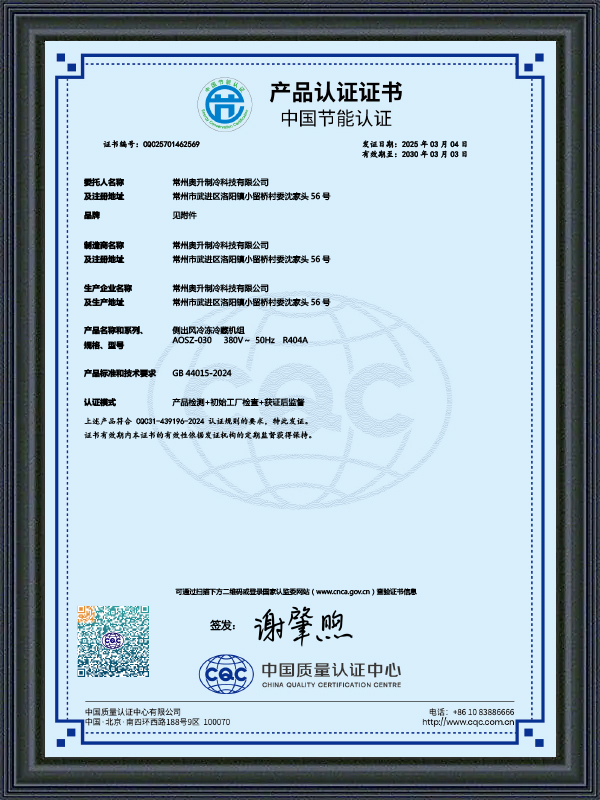
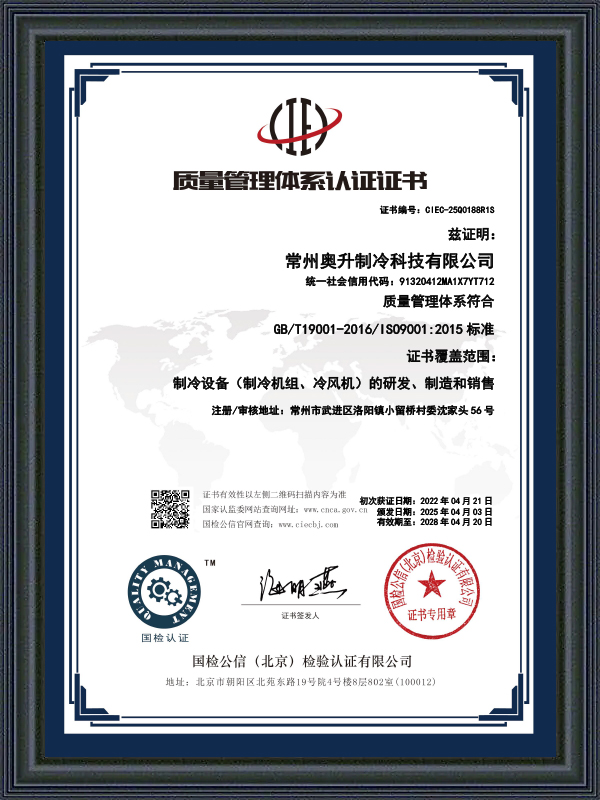
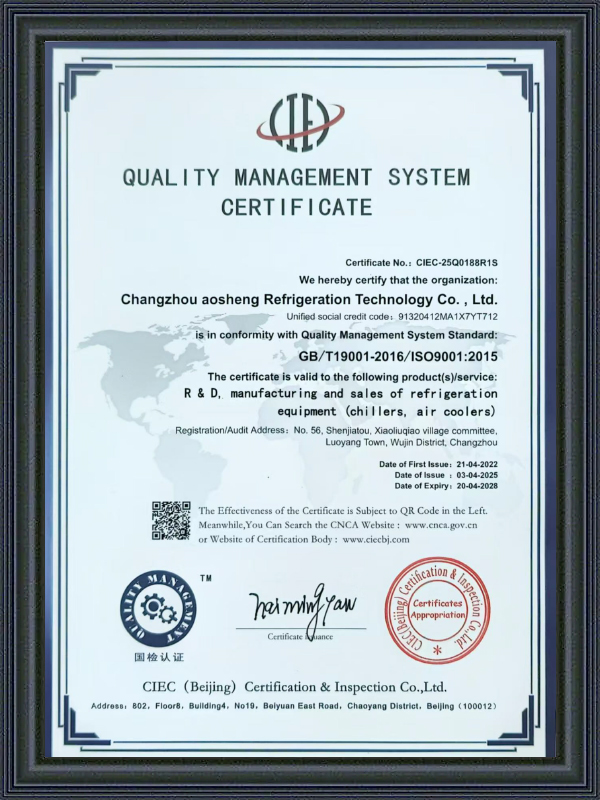
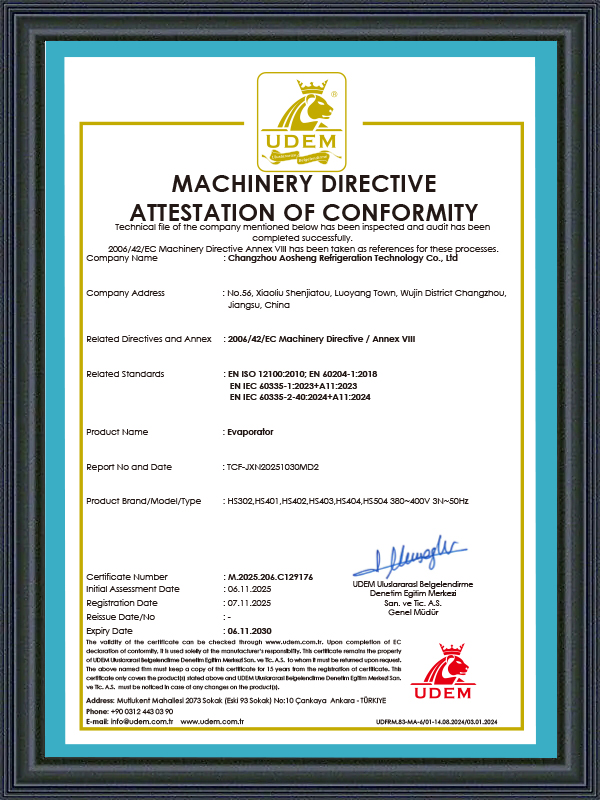
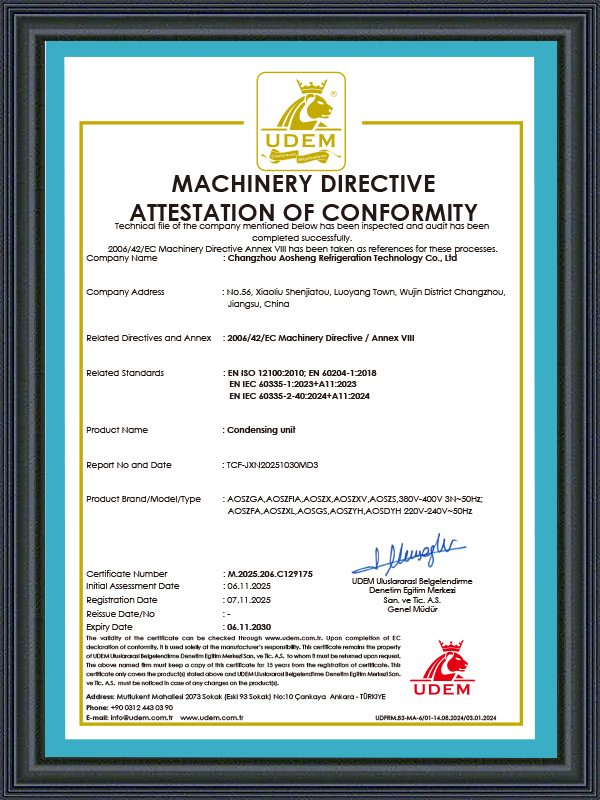
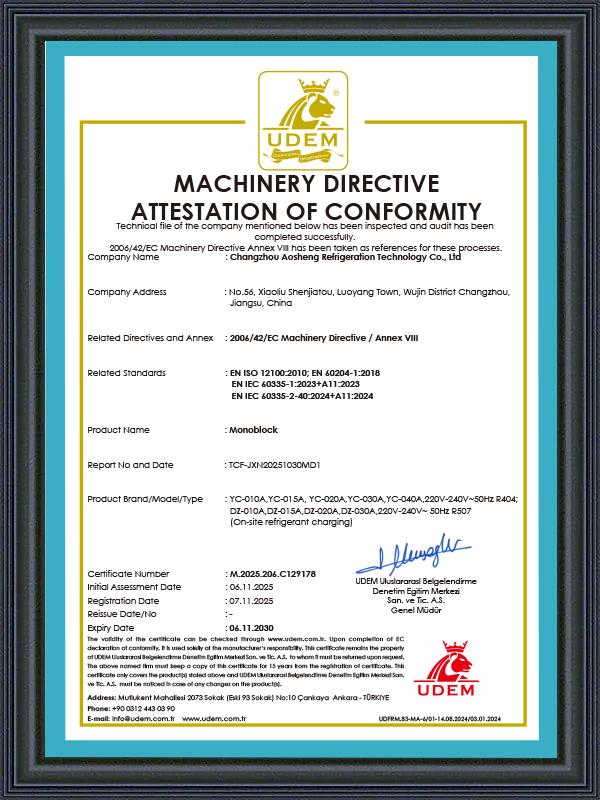
Certificate Of Honor
Latest News
Industry News
-
How to Adjust a TXV for Superheat: A Practical Step-by-Step Field Guide
 Oct 09,2026
  Industry News
-
1234ze Refrigerant: Key Properties, Pros, Cons, and Cold Room Design Notes
Sep 30,2026
Industry News
-
inverter for compressor: Applications, Selection Criteria, and Practical Guidance
Sep 22,2026
Industry News
-
Refrigeration Check Valves: What They Do and Why They Matter in Cold Rooms
Sep 14,2026
Industry News
Industry Knowledge
Practical Insights into Monoblock Condensing Unit Performance
A monoblock condensing unit integrates the compressor, condenser, evaporator, and control system into a single compact assembly. While its plug-and-play design simplifies installation, long-term efficiency and reliability depend heavily on installation conditions, airflow management, and load matching. In commercial cold rooms, understanding these operational details helps reduce energy consumption and minimize service interruptions.
Wall Thickness and Thermal Bridging Considerations
Because monoblock condensing units are mounted directly through insulated panels, the wall thickness must match the equipment's design specifications. If the panel is thinner or thicker than recommended, the internal and external sections may not seal properly, creating air leakage and thermal bridges.
Poor sealing around the mounting opening can cause condensation around the panel edges, which may eventually damage insulation material and promote microbial growth. Many installers use closed-cell foam and vapor barriers to maintain the panel's original insulation integrity.
Ambient Temperature Limits and Capacity Reduction
The rated capacity of a monoblock condensing unit is typically based on a condenser air temperature of 32°C to 38°C. When ambient temperatures exceed this range, condensing pressure rises, reducing net refrigeration capacity and increasing compressor power consumption.
| Ambient Temperature | Typical Capacity Change | Operational Impact |
| 35°C | Nominal | Standard operating condition |
| 40°C | -5% to -8% | Longer pull-down times |
| 45°C | -10% to -18% | Higher risk of high-pressure trips |
Importance of Condenser Air Recirculation Prevention
Monoblock condensing units are especially sensitive to hot air recirculation because the condenser section is installed close to the building wall. If warm discharge air is drawn back into the condenser inlet, condensing temperature rises rapidly.
Maintaining adequate clearance and avoiding installation in confined alcoves significantly improves heat rejection. In hot climates, adding sunshades or mechanical ventilation can further stabilize condenser performance.
Defrost Water Management
During electric defrost cycles, meltwater must drain quickly to prevent ice formation around the unit. Improper drain slope or insufficient drain heating can lead to frozen lines, resulting in water overflow inside the cold room.
- Use a minimum drain slope of 1% to maintain gravity flow.
- Insulate drain pipes in low-temperature rooms.
- Install heat tracing when room temperatures remain below -18°C.
Controller Parameters That Influence Product Quality
Factory controller settings are often conservative and may not be optimized for specific stored products. Parameters such as compressor delay, fan stop during defrost, and temperature differential have a direct impact on temperature stability and moisture retention.
For produce storage, a narrow temperature differential helps maintain consistent conditions. For frozen goods, a slightly wider differential can reduce compressor cycling and improve energy efficiency.
Refrigerant Charge Accuracy in Monoblock Systems
Unlike split systems with adjustable field piping, monoblock condensing units are designed with a fixed refrigerant charge. Even small refrigerant losses can cause noticeable performance degradation because the total charge volume is relatively small.
Symptoms of undercharge include increased superheat, reduced cooling capacity, and longer compressor runtimes. Regular leak inspections around brazed joints and service valves are recommended for preventive maintenance.
Noise and Vibration Isolation Techniques
Since the compressor is mounted directly on the cold room wall, vibration can be transmitted into the building structure. This is particularly noticeable in indoor installations near occupied spaces.
Using neoprene gaskets, anti-vibration mounts, and flexible electrical conduit helps reduce structure-borne noise and prevents long-term stress on panel joints.
When Monoblock Condensing Units Are Most Suitable
Monoblock condensing units are particularly effective in applications where installation speed, factory-tested reliability, and minimal on-site refrigeration work are priorities. They are commonly used in restaurants, florists, pharmacies, and small food processing facilities.
For larger cold rooms with long operating hours and higher heat loads, split systems may offer greater flexibility and higher overall efficiency. However, for small and medium-sized cold rooms, monoblock designs often provide the best balance between cost, simplicity, and dependable performance.
Routine Inspection Points for Stable Operation
- Check condenser coils for dust or grease accumulation.
- Verify door gaskets are sealing properly to reduce infiltration load.
- Confirm drain lines are free of ice and debris.
- Review controller alarm history for recurring high-pressure or defrost faults.
- Listen for abnormal compressor or fan motor noise.
Be the First to Know
For exclusive deals and latest offers, sign up by entering your email address below.
-

We specialise in the refrigeration industry. Please feel free to contact us.
-
Quick Links
Home Products Solution About AUSSN Contact -
Prducts
Box Type Condensing Units Open Type Condensing Units Cold Room Evaporator Units Air Cooler Evaporator Monoblock Condensing Unit -
Contact Us
No.56, Xiaoliu Shenjiatou, Luoyang Town, Wujin District Changzhou, Jiangsu, China+86-0519-88991025
+86-15161135627
Copyright © Changzhou Aosheng Refrigeration Technology Co., Ltd. All Rights Reserved.
Monoblock Condensing Unit Factory
Custom Monoblock Condensing Unit For sale
