


 English
 中文简体
中文简体 Español
Home / News / Industry News / How Do You Choose Between High, Medium, and Low Temperature Cold Room Evaporators?
Industry News
Selecting the correct cold room evaporator is one of the most important decisions in designing an efficient refrigeration system. Evaporators are typically classified into three temperature categories—high, medium, and low—each engineered for specific storage conditions, product types, and operational goals. Choosing the wrong category can lead to poor humidity control, excessive frost buildup, energy waste, or even spoiled inventory. This article breaks down the differences between these three types, explains their advantages, and offers practical guidance for matching an evaporator to your cold storage needs.
Content
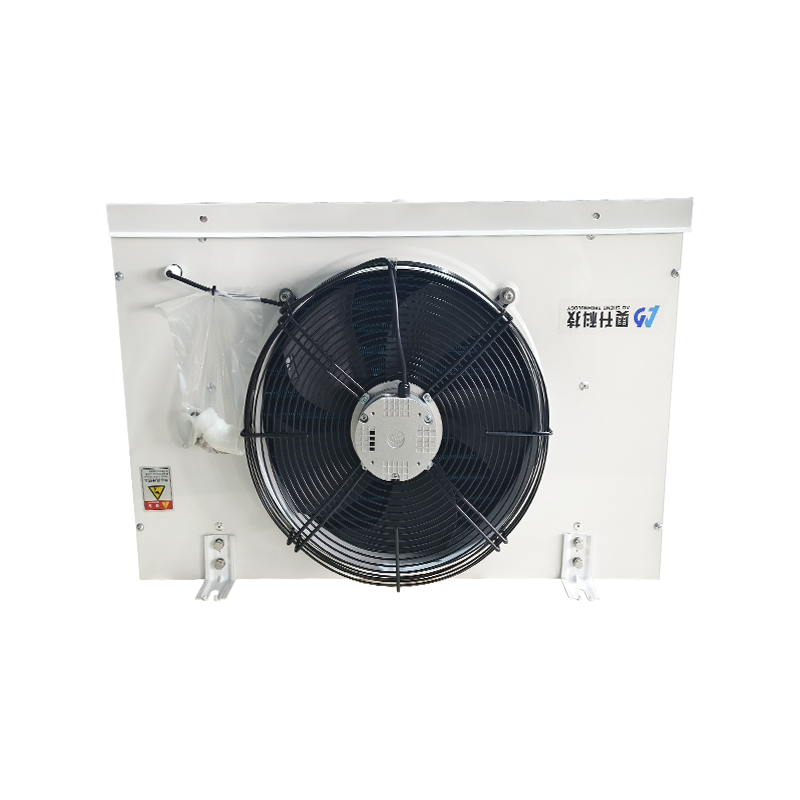
Cold room evaporators are generally grouped by the evaporating temperature range they operate within, which directly corresponds to the room temperature they maintain. High temperature evaporators typically support room temperatures between 0°C and 10°C, medium temperature units handle -5°C to -10°C environments, and low temperature evaporators are built for -18°C to -25°C or colder. This classification isn't arbitrary—it determines the coil spacing, defrost method, fan configuration, and refrigerant flow design of the unit.
Because each temperature band creates different frost accumulation rates and humidity demands, manufacturers design evaporators with fin spacing and defrost cycles tailored to that specific range. Using an evaporator outside its intended range often results in inefficient heat exchange, excessive ice formation, or inadequate cooling capacity.
High temperature evaporators are designed for cold rooms that store fresh produce, dairy, beverages, flowers, and other perishables that require cool but not freezing conditions. These units usually operate at evaporating temperatures close to 0°C, keeping room temperatures in the 2°C to 8°C range.
These evaporators are ideal for supermarkets, floral coolers, beverage distribution centers, and produce storage facilities where maintaining freshness without freezing is the priority.
Medium temperature evaporators bridge the gap between chilled and frozen storage. They are commonly used in rooms holding processed meats, dairy products, packaged foods, and short-term frozen goods that don't require deep freezing.
Medium temperature units are a popular choice for food distribution warehouses, restaurant walk-in coolers, and convenience store back rooms that need dependable performance across a range of product types.
Low temperature evaporators are engineered for deep-freeze environments, typically maintaining room temperatures between -18°C and -25°C or lower. They are essential for long-term storage of frozen meat, seafood, ice cream, and other products that must remain solidly frozen to preserve quality and safety.
These units are indispensable in blast freezers, cold storage warehouses, seafood processing plants, and industrial food production facilities that require strict temperature control.
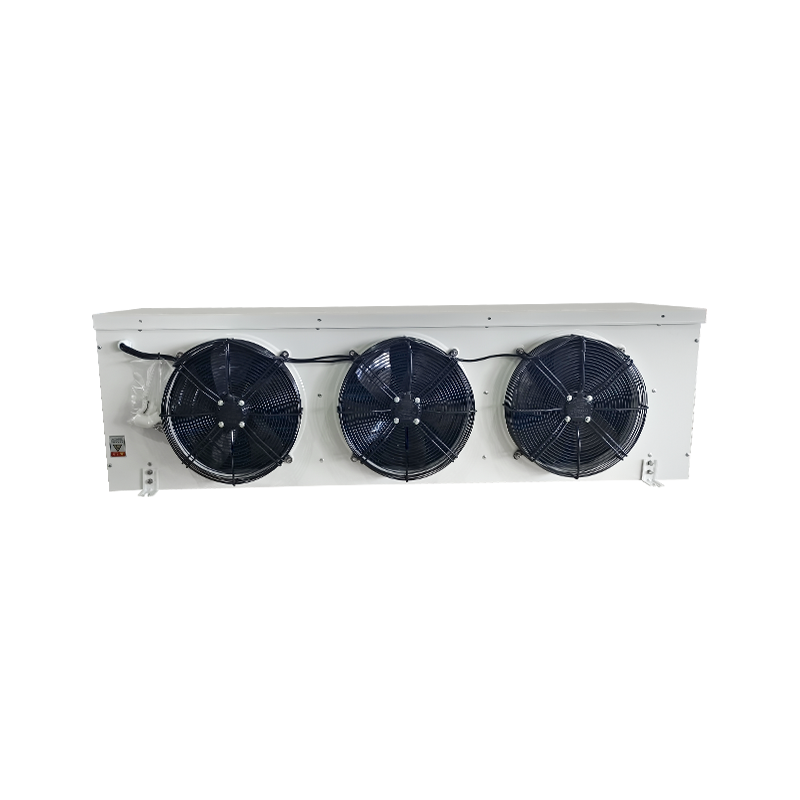
| Type | Typical Room Temp | Common Products | Defrost Method |
| High Temperature | 2°C to 8°C | Produce, dairy, flowers | Air or off-cycle |
| Medium Temperature | -5°C to -10°C | Meats, packaged foods | Electric or hot gas |
| Low Temperature | -18°C to -25°C | Frozen meat, seafood, ice cream | Electric or hot gas |
Beyond temperature range, several practical factors influence the final choice. Considering these elements early prevents costly redesigns and ensures the evaporator performs reliably over its service life.
Many cold storage inefficiencies trace back to mismatched equipment. One frequent error is installing a low temperature evaporator in a medium temperature room, which causes excessive frosting and higher energy use than necessary. Another common mistake is underestimating room heat load, resulting in undersized units that struggle to maintain set points, especially during peak loading periods or frequent door access.
It's also important to avoid selecting defrost methods that don't match the temperature range. For example, relying on air defrost in a low temperature freezer will likely fail to clear heavy ice buildup, leading to reduced airflow and eventual system strain. Working with a knowledgeable supplier or engineer to calculate heat load, humidity requirements, and defrost needs before purchasing helps avoid these pitfalls.
Ultimately, the right evaporator choice comes down to matching the unit's design—fin spacing, defrost system, and capacity—to the specific storage temperature and product type. High temperature evaporators excel at preserving freshness with minimal energy use, medium temperature units offer versatility for mixed storage needs, and low temperature evaporators provide the robust performance necessary for deep-freeze applications. By carefully evaluating product requirements, room conditions, and operational goals, facility owners can select an evaporator that delivers consistent performance, lowers energy costs, and extends the lifespan of stored goods.

For exclusive deals and latest offers, sign up by entering your email address below.

We specialise in the refrigeration industry. Please feel free to contact us.
