


 English
 中文简体
中文简体 Español
Product Category
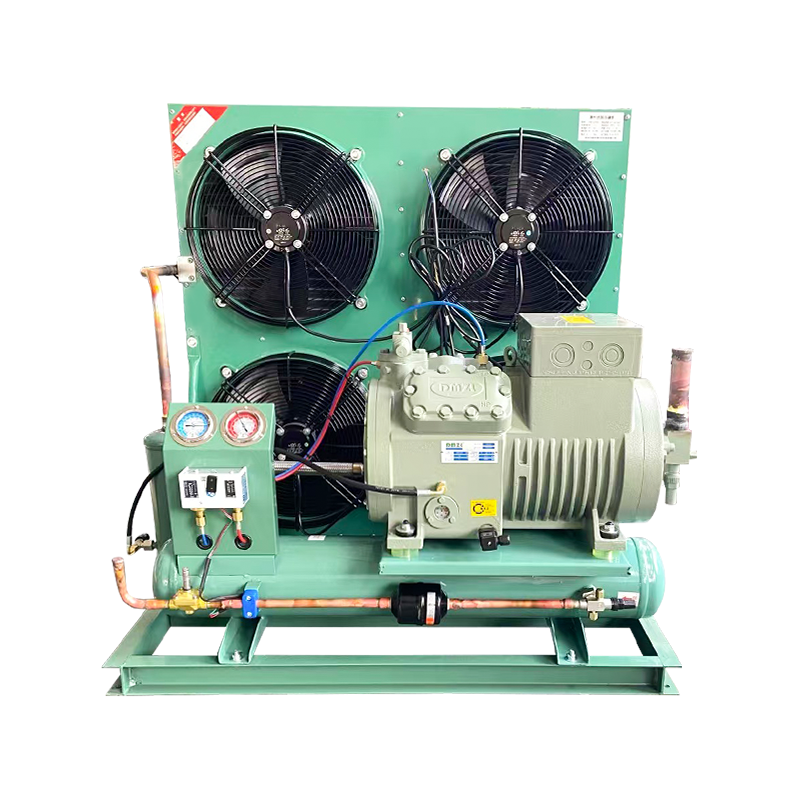
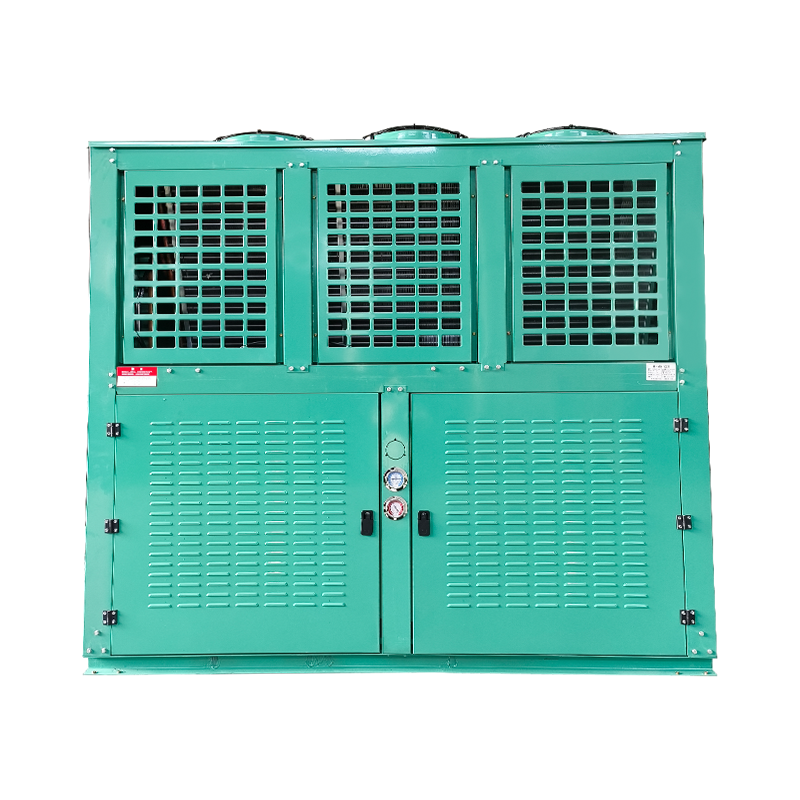
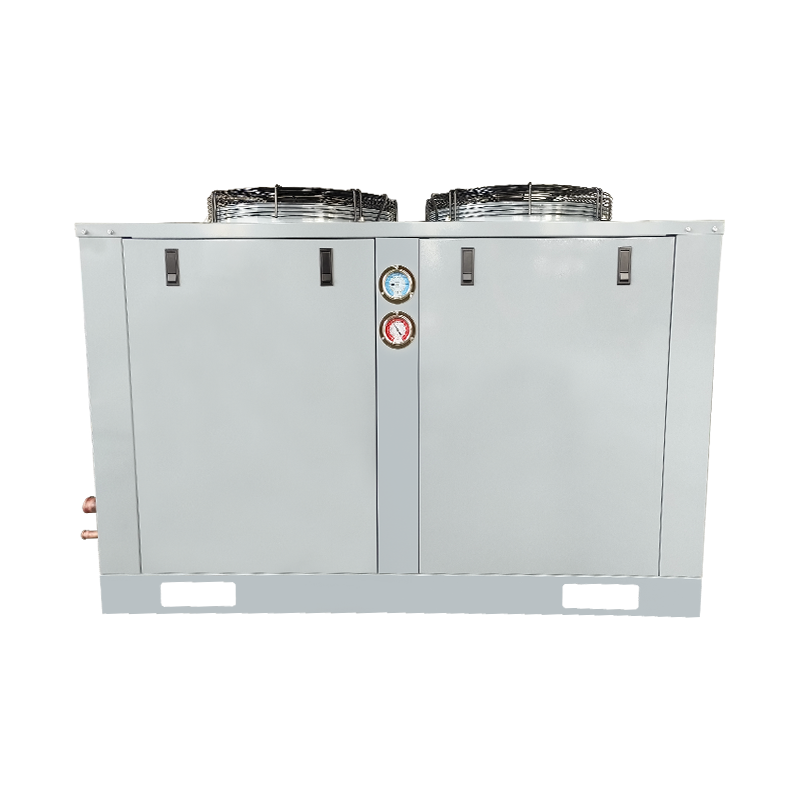
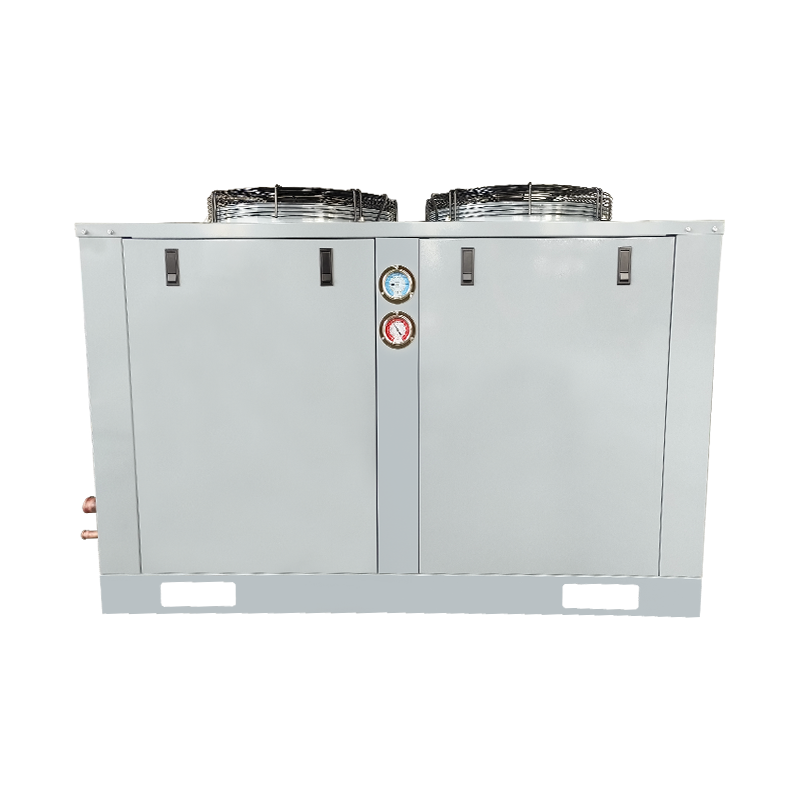
Commercial Condensing Units Manufacturers
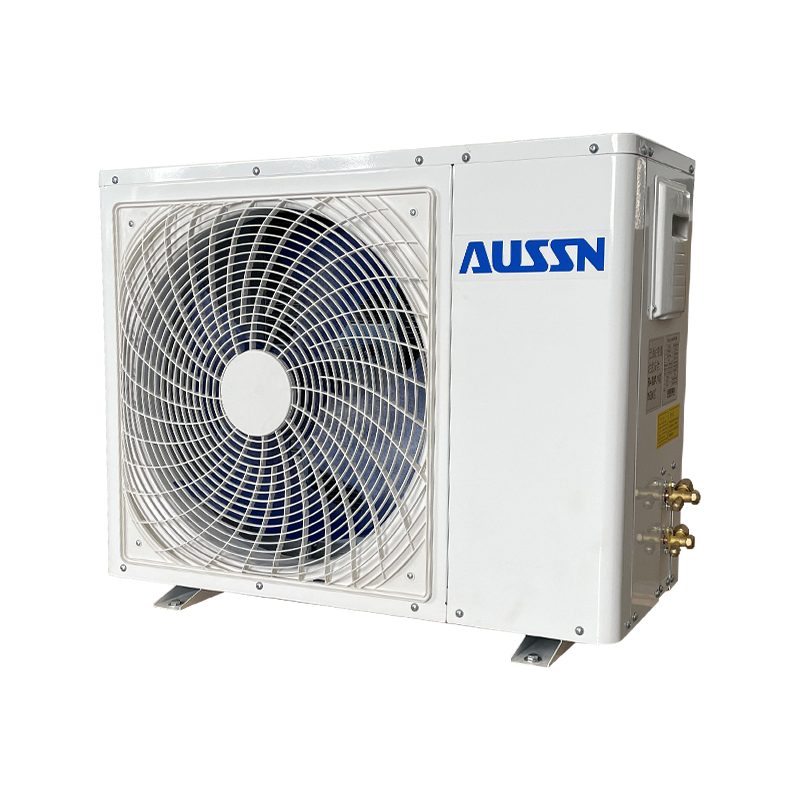
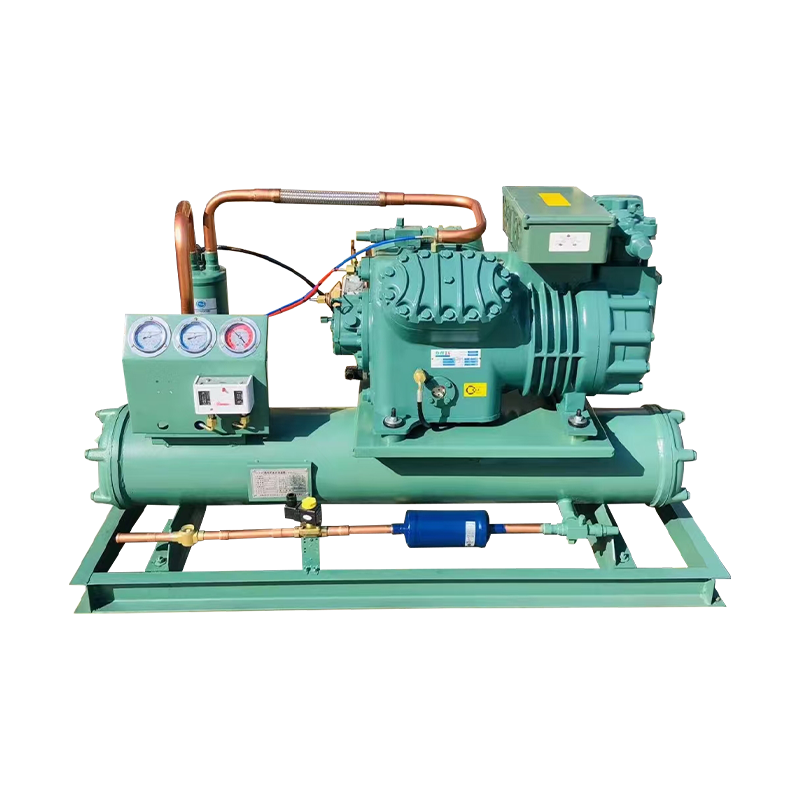
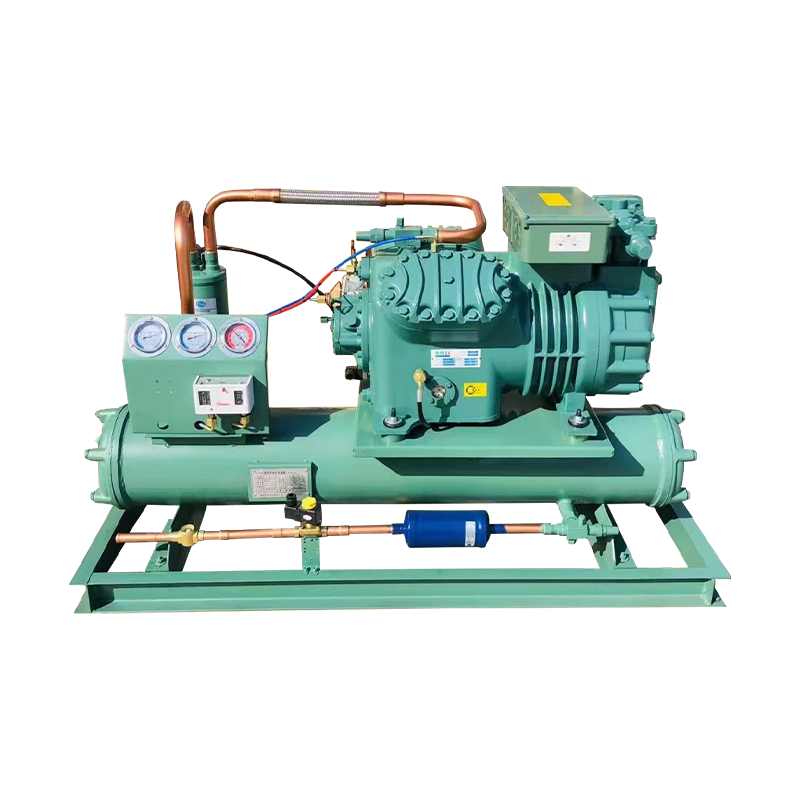
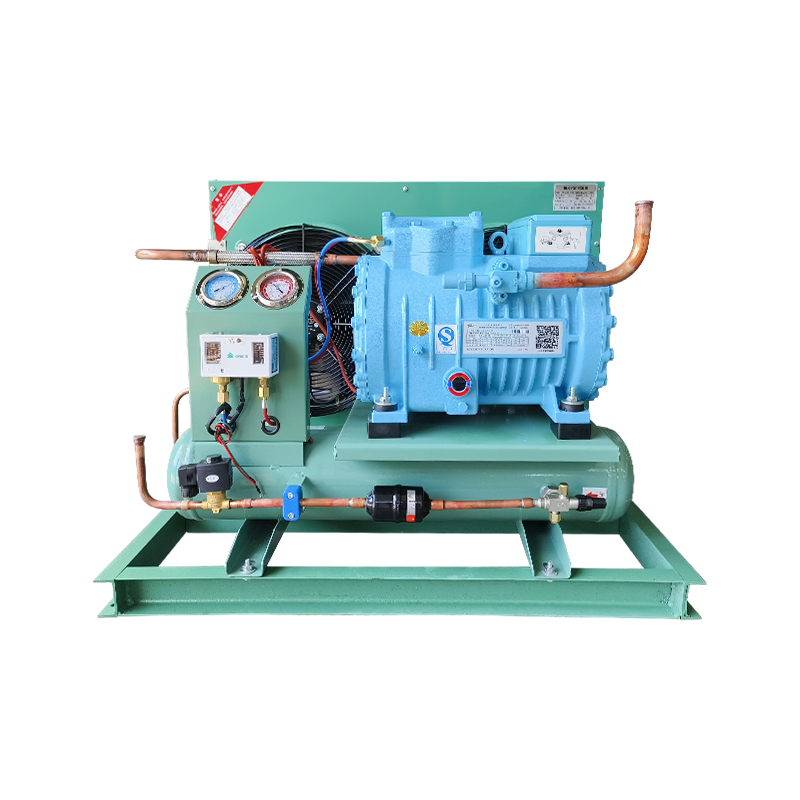
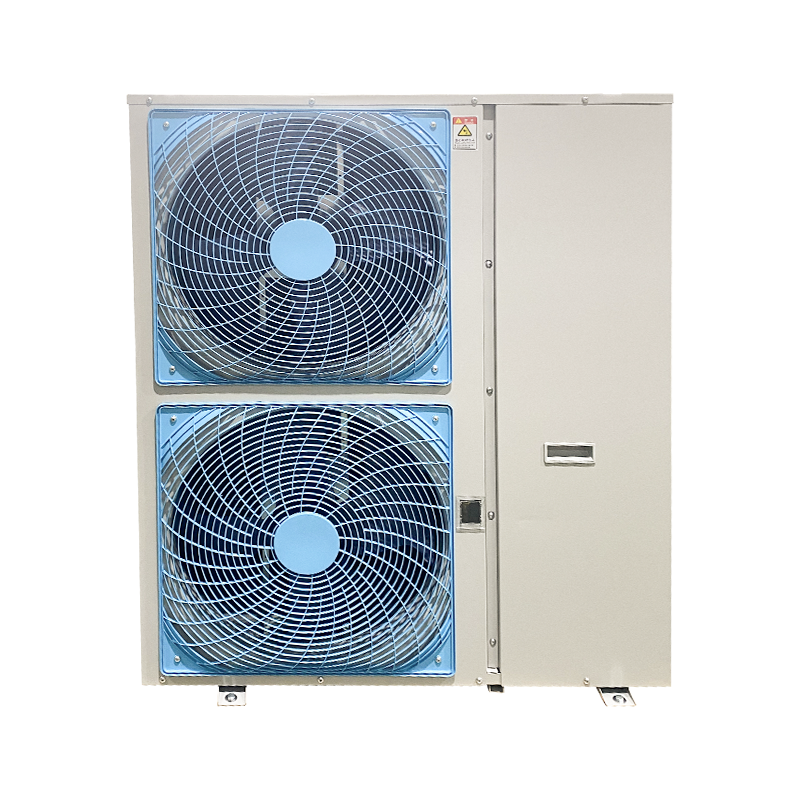
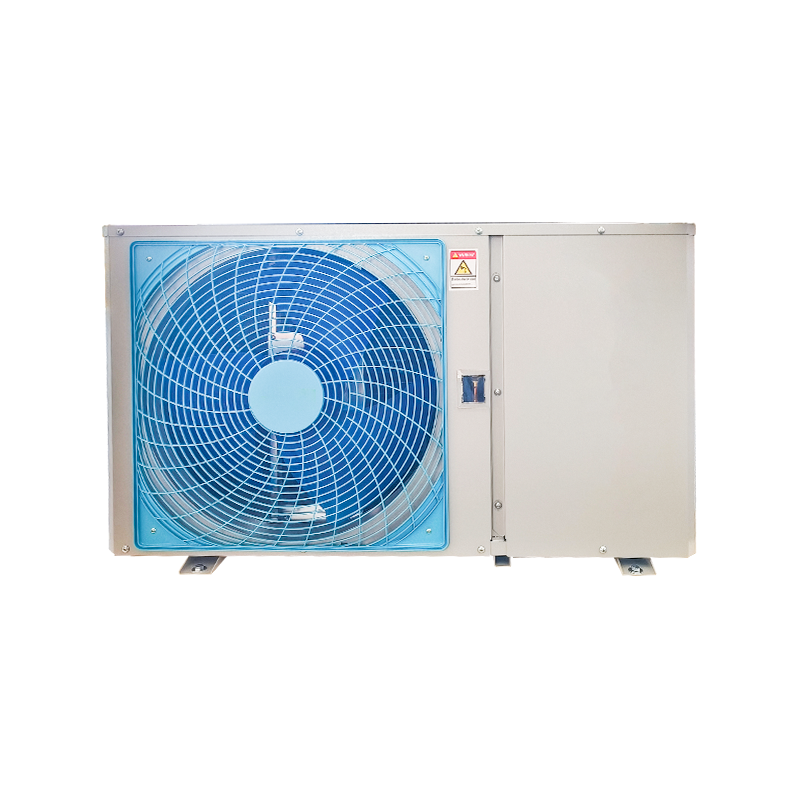
Applications and Functions
The CONDENSING UNIT is a core component of the cold chain system, providing efficient and stable refrigeration solutions for various cold storage facilities (such as fresh-keeping rooms, freezers, quick-freeze rooms, and pharmaceutical warehouses). It is widely used in industries such as food processing, logistics and warehousing, supermarkets and retail, and the pharmaceutical and chemical industries, ensuring long-term storage of goods at low temperatures, maintaining their quality and safety.
Core Features
1. Efficient Refrigeration: Utilizing high-performance compressors (such as scroll and piston types) and environmentally friendly refrigerants (R404A/R507A/R410A), it delivers rapid cooling and precise temperature control, adapting to a wide range of operating temperatures from -40°C to +15°C.
2. Stability and Reliability: An optional intelligent control system supports automatic temperature adjustment, fault alarms, and multiple protections (such as high and low voltage protection and overload protection) to ensure continuous, trouble-free operation.
3. Energy Saving and Environmental Protection: Optimized heat exchanger design (such as high-efficiency condensers/evaporators) and variable frequency drive technology reduce energy consumption, comply with national energy efficiency standards, and reduce carbon emissions. 4. Modular Design: Flexible unit power (1.5HP to 50HP) can be matched to cold storage capacity, supporting parallel operation of multiple units to meet diverse needs from small and medium-sized cold storage to large logistics centers.
Product Highlights
- Intelligent Control: Optional PLC or IoT remote monitoring system allows real-time viewing of operating data and unmanned management.
- Low-Noise Operation: Utilizing a silent fan and vibration reduction technology, noise levels are below industry standards, making it suitable for urban and community environments.
- Long-Term Durability: The corrosion-resistant galvanized housing withstands harsh environments such as high humidity and salt spray.
- One-Stop Service: Full-process support is provided, from model selection and design, installation and commissioning, to after-sales maintenance, with 24-hour rapid response.
Applications
- Food Industry: Refrigeration and preservation of meat, aquatic products, and dairy products.
- Logistics and warehousing: Cold chain transit and low-temperature distribution centers.
- Pharmaceutical Industry: Constant-temperature storage of vaccines and reagents.
- Agricultural Processing: Pre-cooling of fruits and vegetables, cold storage of flowers.
With high efficiency, energy saving and intelligence as its core, CONDENSING UNIT helps enterprises build a safe and reliable cold chain environment, reduce operating costs and improve warehousing quality.
About AUSSN
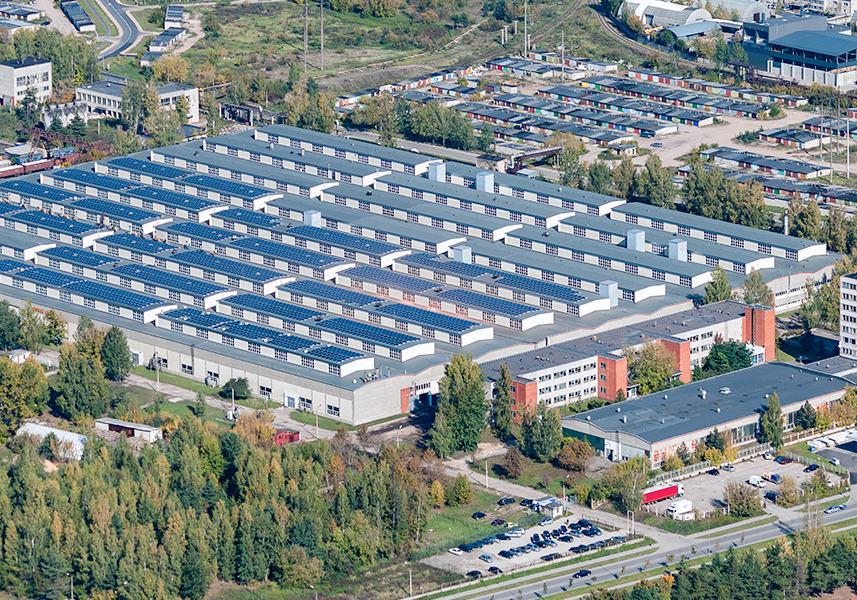
Changzhou Aosheng Refrigeration Technology Co., Ltd. is a professional manufacturer of condensing units that integrates research and development, design, manufacturing, sales, engineering installation and after-sales service. Commercial Box Type Condensing Units Manufacturers and Commercial Open Type Condensing Units Factory in China. The condensing units produced by our company are widely used in commercial refrigerators, cold storage and other projects. The original accessories of the new intelligent unit products are all from major international and domestic brands. The refrigeration system is stable and reliable, with an extremely low failure rate. The first-class sheet metal and spraying process make product beautiful, generous, solid and durable. Our company's box type condensing unit has been specially improved for commercial refrigerators, making your refrigeration effect more perfect. Each product has undergone full process inspection standards to ensure that users can use it with confidence. Support Custom Commercial Condensing Units. Aosheng adheres to the corporate philosophy of "integrity-based, quality oriented, wholehearted and striving for excellence". With unremitting efforts and persistent pursuit, we have woven a sales network that covers the whole country and even the world, ensuring product quality,continuously strengthening and consolidating the market, and enhancing brand awareness and influence. Our company warmly welcome guests from all over the world to visit our factory for inspection, guidance, and business negotiations.
-

0+
Factory Area
-

0+
Monthly Capacity(Units)
-

0+
Country Of Export
Changzhou Aosheng
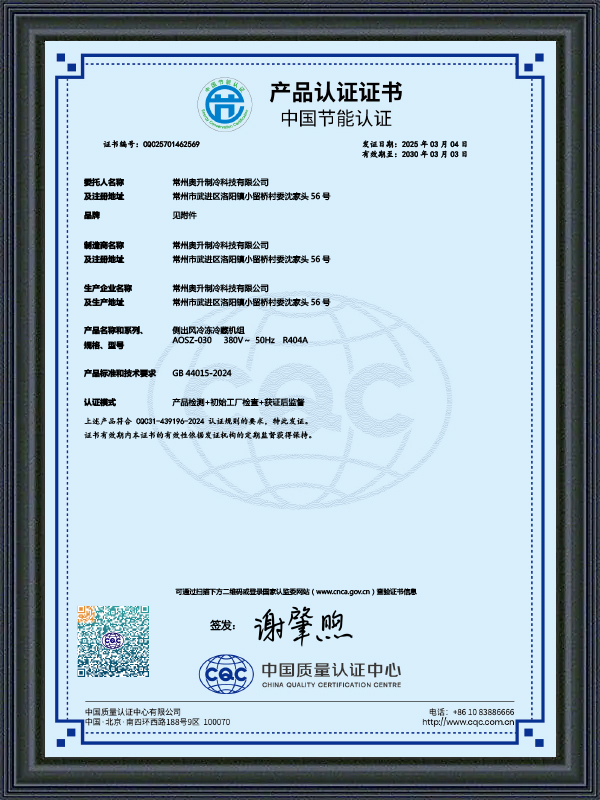
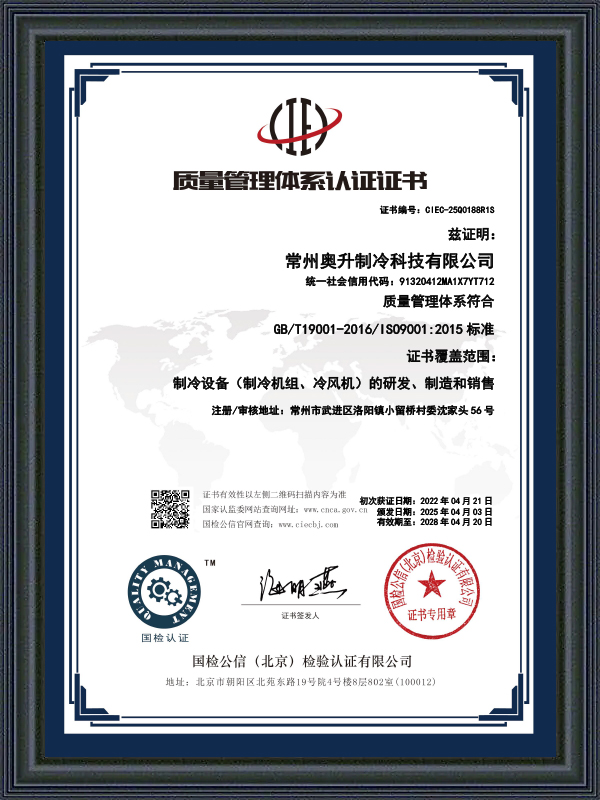
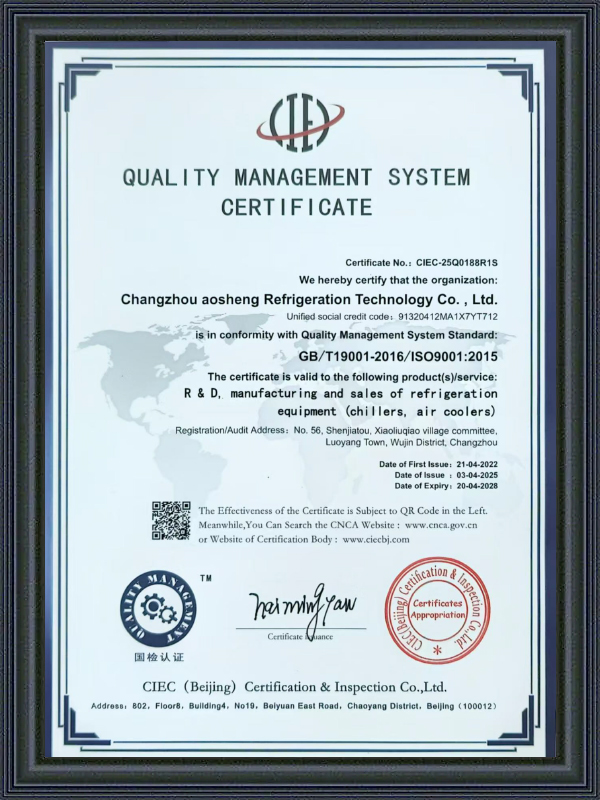
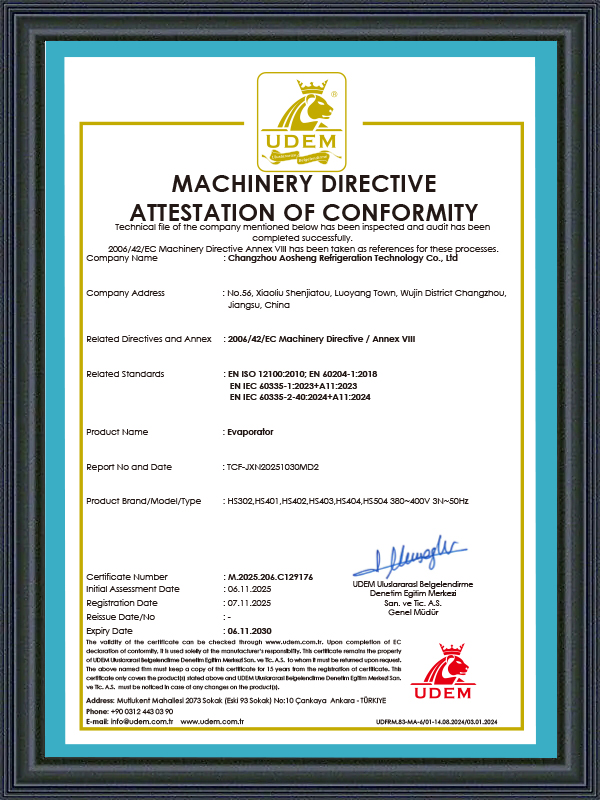
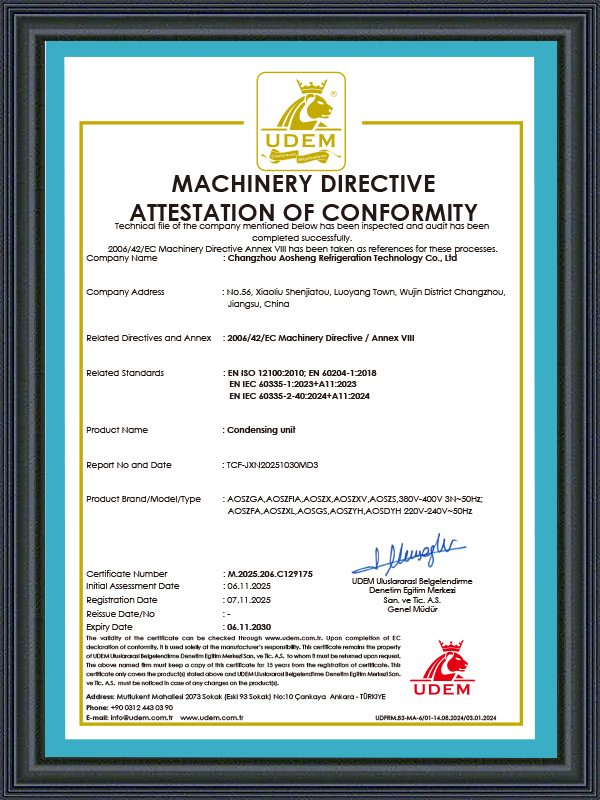
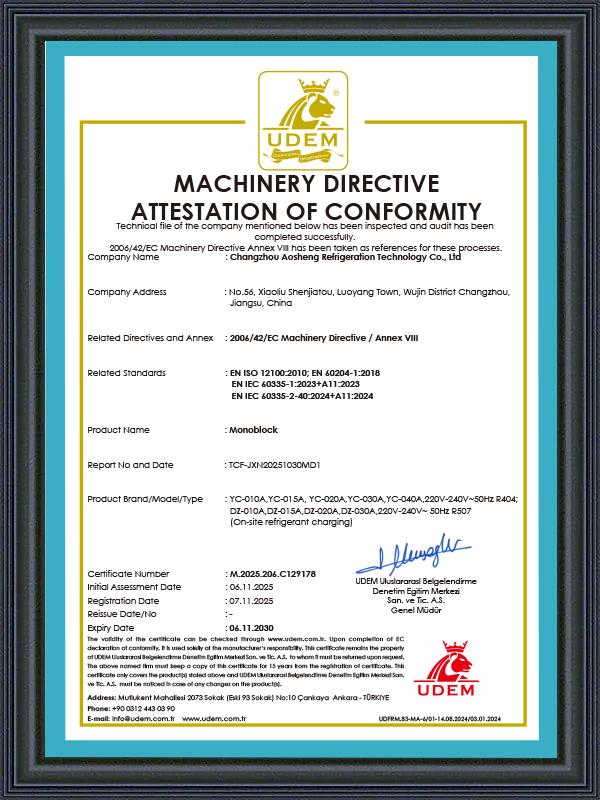
Certificate Of Honor
Latest News
Industry News
-
How to Adjust a TXV for Superheat: A Practical Step-by-Step Field Guide
 Oct 09,2026
  Industry News
-
1234ze Refrigerant: Key Properties, Pros, Cons, and Cold Room Design Notes
Sep 30,2026
Industry News
-
inverter for compressor: Applications, Selection Criteria, and Practical Guidance
Sep 22,2026
Industry News
-
Refrigeration Check Valves: What They Do and Why They Matter in Cold Rooms
Sep 14,2026
Industry News
Industry Knowledge
Practical Selection and Operation of Commercial Condensing Units
Commercial condensing units are used in a wide range of refrigeration applications, from small display coolers to large walk-in cold rooms. Beyond compressor capacity, the enclosure design, airflow pattern, service accessibility, and noise control all influence long-term operating cost. Choosing between box type and open type configurations should be based on installation conditions and maintenance strategy rather than purchase price alone.
Commercial Condensing Unit Box Type vs Open Type
The structural design of the condensing unit affects weather resistance, noise levels, and ease of servicing. Box type units are enclosed in a metal cabinet, while open type units expose the compressor and condenser components on a base frame.
| Feature | Box Type | Open Type |
| Noise Control | Better due to cabinet enclosure | Higher operating noise |
| Weather Protection | Good for outdoor use | Requires shelter in harsh environments |
| Service Access | Requires panel removal | Direct access to components |
| Corrosion Resistance | Cabinet offers added protection | Components more exposed |
Why Receiver Volume Matters in Commercial Systems
In commercial refrigeration, operating conditions can change significantly between summer and winter. The liquid receiver must be large enough to store excess refrigerant during low ambient operation and during pump-down cycles. An undersized receiver may cause flashing in the liquid line and unstable expansion valve performance.
Systems with long liquid lines or multiple evaporators typically require additional receiver capacity beyond standard factory sizing.
Compressor Envelope and Real-World Operating Limits
A condensing unit may be technically capable of reaching a target room temperature, but reliability depends on whether suction and discharge conditions remain within the compressor's approved operating envelope. High condensing temperatures combined with low suction pressures can lead to excessive discharge temperatures and accelerated oil breakdown.
When selecting a unit, engineers should verify operating conditions against compressor performance software rather than relying only on nominal horsepower ratings.
Sound Attenuation in Box Type Units
Commercial condensing unit box type models often include insulated panels, low-speed fans, and anti-vibration mounts to reduce sound levels. These features are particularly valuable for restaurants, supermarkets, and urban rooftop installations where local noise regulations apply.
However, soundproofing materials must not restrict condenser airflow. Poor cabinet design can reduce heat rejection and increase compressor operating temperatures.
Advantages of Open Type Units for Service Technicians
Commercial condensing unit open type configurations allow technicians to inspect electrical components, oil levels, and piping connections without removing access panels. This reduces service time and improves visibility during commissioning and troubleshooting.
Open frames are also easier to customize with oversized receivers, oil separators, and control accessories for specialized applications.
Low Ambient Controls and Head Pressure Stability
In cold climates, commercial condensing units require fan cycling, variable-speed controls, or pressure regulating valves to maintain stable condensing pressure. Without adequate head pressure, thermostatic expansion valves may lose control and cause unstable superheat.
This is particularly important in freezer systems, where consistent refrigerant feed is essential for protecting compressor suction temperature.
Corrosion Protection for Outdoor Installations
For coastal or industrial environments, cabinet coatings and condenser coil protection play a major role in service life. Powder-coated housings, epoxy-coated coils, and stainless steel fasteners help reduce corrosion-related failures.
Box type units generally provide better protection because sensitive electrical components are enclosed and less exposed to weather and airborne contaminants.
Key Maintenance Indicators to Monitor
- Condensing pressure trends during similar ambient conditions.
- Compressor discharge temperature.
- Liquid line subcooling.
- Fan motor current draw.
- Cabinet vibration and abnormal sound levels.
Choosing the Right Configuration for the Application
Box type commercial condensing units are often preferred where appearance, noise reduction, and environmental protection are priorities. Open type designs are better suited to mechanical rooms and industrial facilities where maintenance access and customization are more important.
When properly selected and maintained, both configurations can provide reliable and efficient refrigeration performance over many years of continuous commercial operation.
Be the First to Know
For exclusive deals and latest offers, sign up by entering your email address below.
-

We specialise in the refrigeration industry. Please feel free to contact us.
-
Quick Links
Home Products Solution About AUSSN Contact -
Prducts
Box Type Condensing Units Open Type Condensing Units Cold Room Evaporator Units Air Cooler Evaporator Monoblock Condensing Unit -
Contact Us
No.56, Xiaoliu Shenjiatou, Luoyang Town, Wujin District Changzhou, Jiangsu, China+86-0519-88991025
+86-15161135627
