


 English
 中文简体
中文简体 Español
Custom Air Cooled Condensing Units
Product Category
Air Cooled Condensing Units Manufacturers
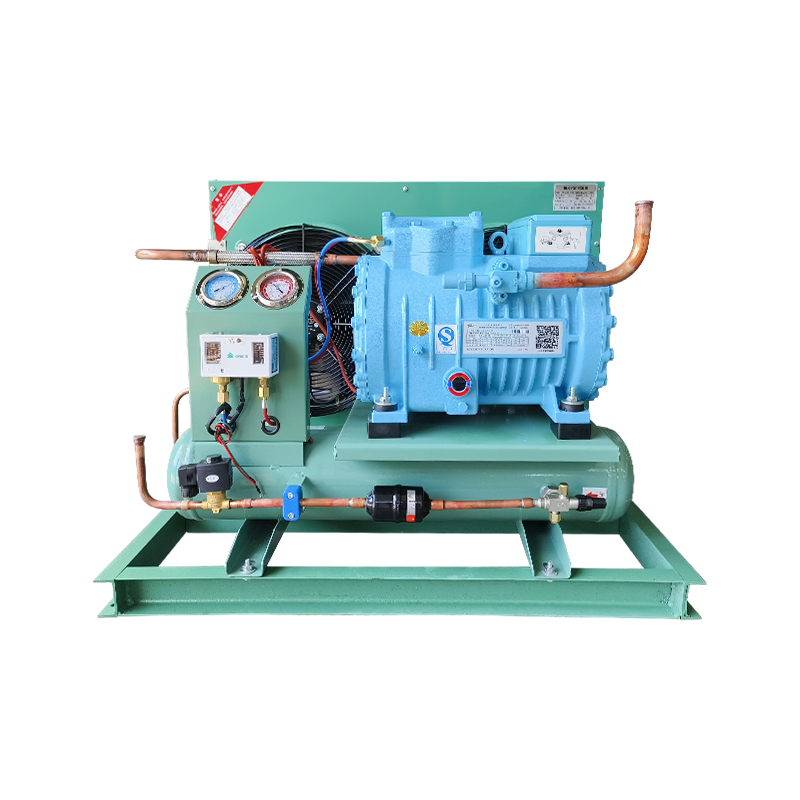
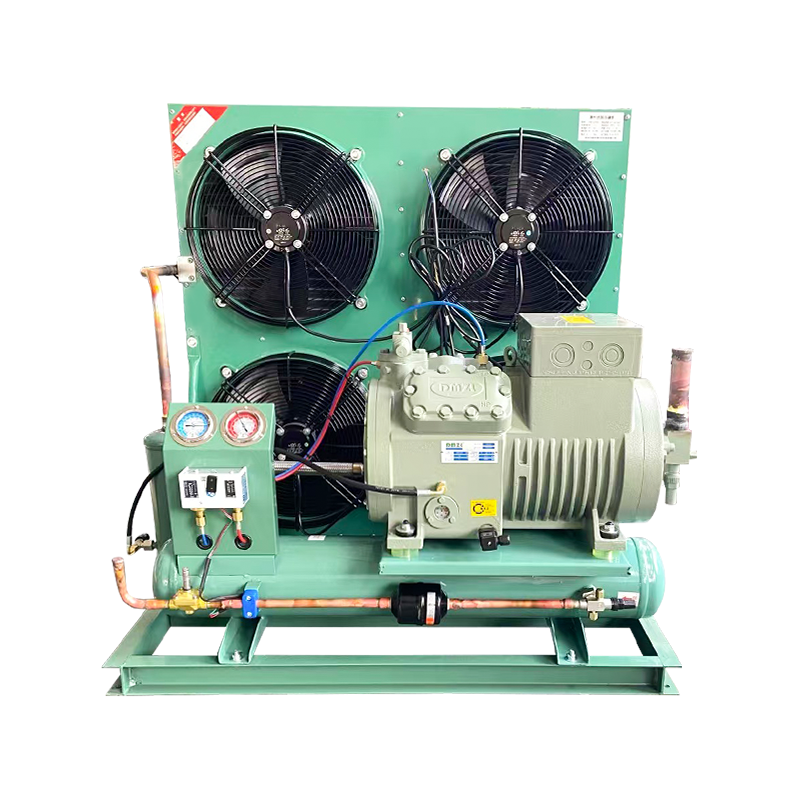
Product Overview
The AIR COOLING CONDENSING UNIT dissipates heat through air convection, eliminating the need for a cooling water system. It features easy installation, low maintenance, and wide applicability, making it the preferred solution for small and medium-sized cold storage facilities and areas with water shortages.
Core Features
1. Waterless Design
- Relying on fans for forced heat dissipation, it eliminates the need for cooling towers and pumps, saving water resources and supporting costs.
- Flexible installation allows for outdoor placement (protected from rain and sun).
2. Rapid Cooling
- Utilizing a high-efficiency finned condenser, it can reach full capacity within 5 minutes of startup.
- Operating temperature range: -30°C to +10°C, meeting most refrigeration/freezing needs.
3. Economical and Practical
- Initial investment is 30% lower than that of a water-cooled unit, and maintenance requires only regular cleaning of the condenser fins.
Product Highlights
- Ready-to-install: No complex water system required, just power on and it's operational.
- Highly adaptable: Operates in ambient temperatures from -30°C to 50°C (higher temperatures require derating).
- Easy maintenance: No auxiliary equipment, such as pumps or cooling towers, reduces potential for failure.
- A wide range of models: Available from 3HP to 120HP, covering small freezers to medium-sized cold storage.
Applicable Scenarios
- Small and medium-sized supermarkets, restaurant cold storage
- Water-scarce areas (such as the Northwest and deserts)
- Mobile cold storage, temporary cold chain facilities
About AUSSN
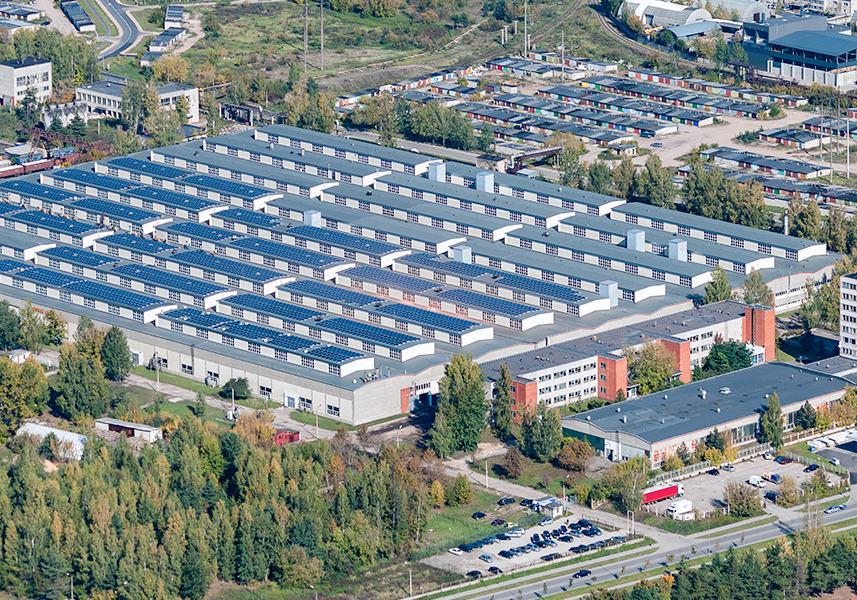
Changzhou Aosheng Refrigeration Technology Co., Ltd. is a professional manufacturer of condensing units that integrates research and development, design, manufacturing, sales, engineering installation and after-sales service. Air Cooled Condensing Units Manufacturers and OEM/ODM Air Cooling Condensing Units Factory in China. The condensing units produced by our company are widely used in commercial refrigerators, cold storage and other projects. The original accessories of the new intelligent unit products are all from major international and domestic brands. The refrigeration system is stable and reliable, with an extremely low failure rate. The first-class sheet metal and spraying process make product beautiful, generous, solid and durable. Our company's box type condensing unit has been specially improved for commercial refrigerators, making your refrigeration effect more perfect. Each product has undergone full process inspection standards to ensure that users can use it with confidence. Support Custom Air Cooled Condensing Units. Aosheng adheres to the corporate philosophy of "integrity-based, quality oriented, wholehearted and striving for excellence". With unremitting efforts and persistent pursuit, we have woven a sales network that covers the whole country and even the world, ensuring product quality,continuously strengthening and consolidating the market, and enhancing brand awareness and influence. Our company warmly welcome guests from all over the world to visit our factory for inspection, guidance, and business negotiations.
-

0+
Factory Area
-

0+
Monthly Capacity(Units)
-

0+
Country Of Export
Changzhou Aosheng
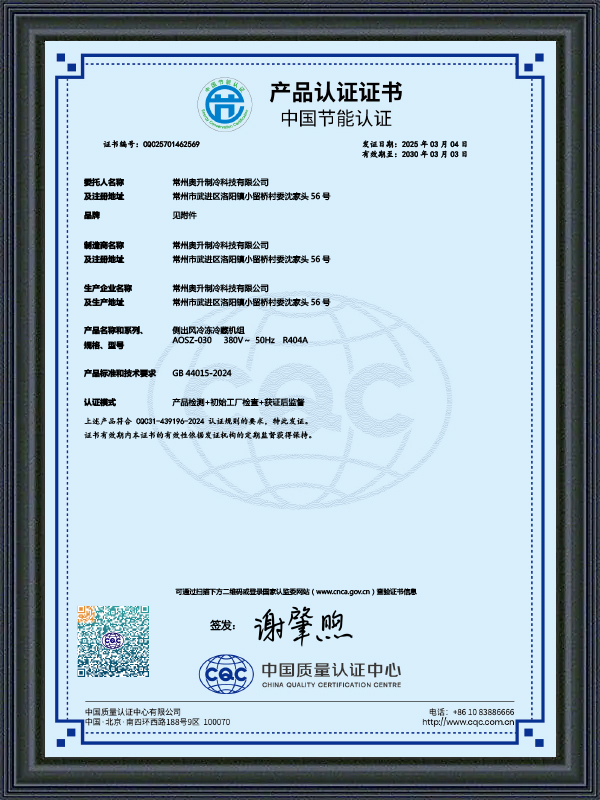
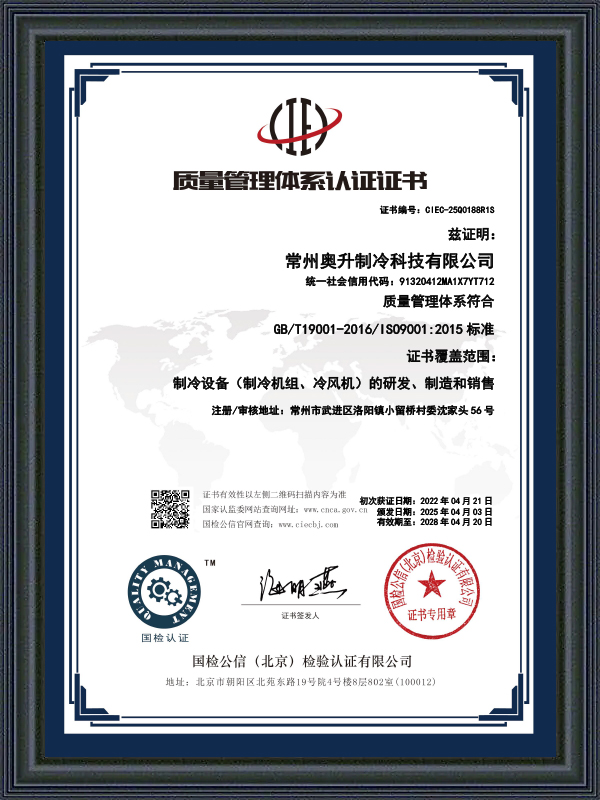
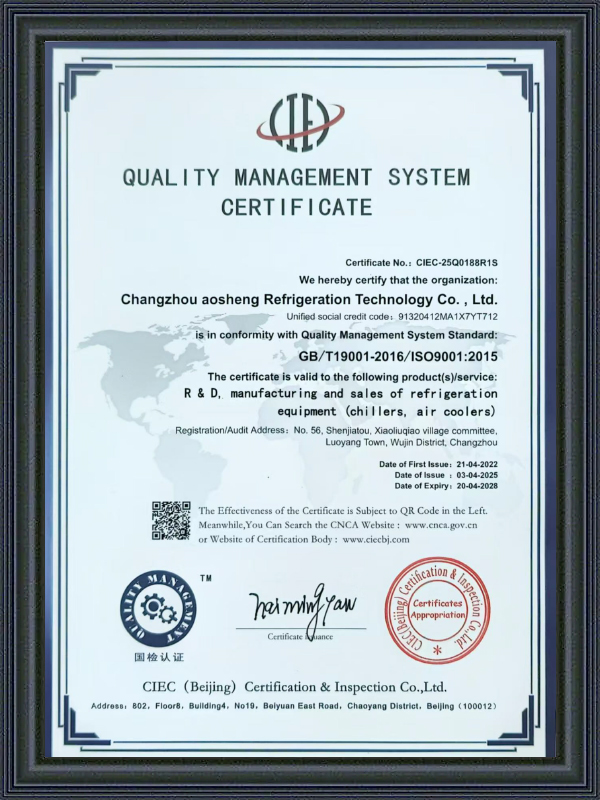
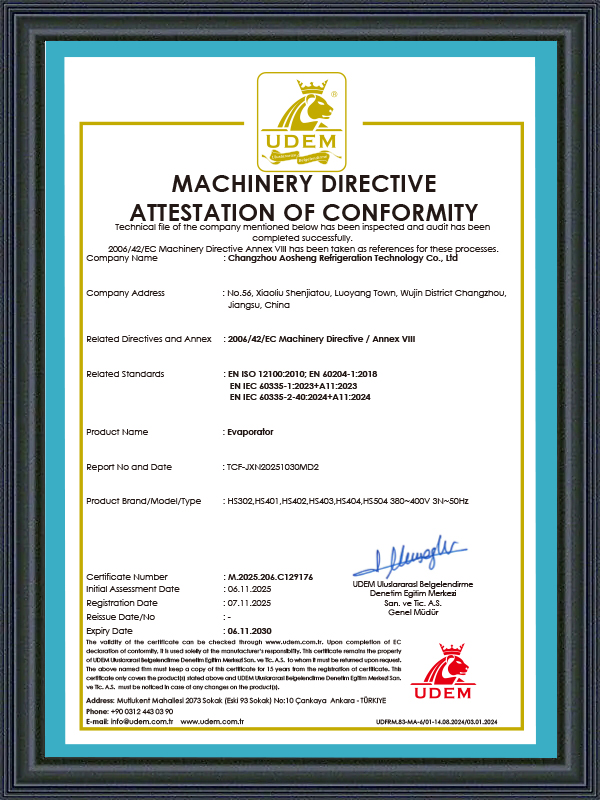
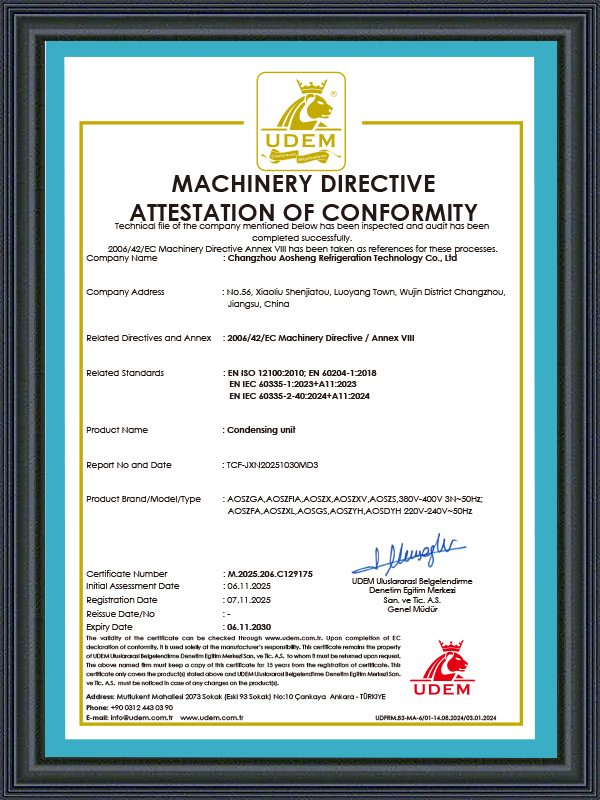
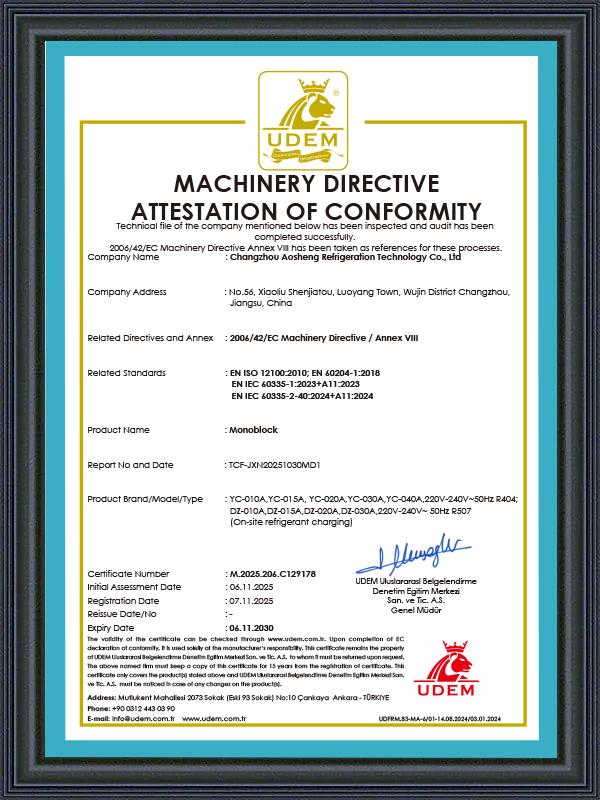
Certificate Of Honor
Latest News
Industry News
-
How to Adjust a TXV for Superheat: A Practical Step-by-Step Field Guide
 Oct 09,2026
  Industry News
-
1234ze Refrigerant: Key Properties, Pros, Cons, and Cold Room Design Notes
Sep 30,2026
Industry News
-
inverter for compressor: Applications, Selection Criteria, and Practical Guidance
Sep 22,2026
Industry News
-
Refrigeration Check Valves: What They Do and Why They Matter in Cold Rooms
Sep 14,2026
Industry News
Industry Knowledge
Operational Strategies for Air Cooled Condensing Units
Air cooled condensing units are widely used because of their simple installation and low infrastructure requirements, but their performance is strongly influenced by airflow conditions and seasonal temperature changes. In commercial refrigeration systems, understanding condenser behavior under real operating conditions is essential for controlling energy use, maintaining stable suction pressure, and extending compressor life.
Condensing Temperature and Compressor Efficiency
The condensing temperature of an air cooling condensing unit directly affects compressor power consumption. As outdoor temperature rises, condensing pressure increases, forcing the compressor to operate against a higher compression ratio.
For many refrigeration systems, every 1°C increase in condensing temperature can increase compressor energy consumption by approximately 2% to 3%. This is why condenser cleanliness and unrestricted airflow are critical for efficient operation during hot weather.
| Outdoor Temperature | Typical Condensing Pressure Trend | Energy Impact |
| 25°C | Low and stable | Higher efficiency |
| 35°C | Moderate increase | Normal summer operation |
| 45°C | High head pressure | Significant power increase |
Importance of Condenser Coil Surface Area
Larger condenser coils allow lower condensing temperatures under identical ambient conditions because more heat transfer surface is available. Oversized condensers may increase initial cost, but they often reduce annual electricity consumption and improve compressor reliability.
In regions with long periods of high outdoor temperature, selecting a larger condenser is often more cost-effective over the equipment lifespan than relying on minimum standard sizing.
Hot Air Recirculation Problems
One of the most common installation issues with air cooled condensing units is condenser air recirculation. When hot discharge air returns to the condenser inlet, the unit experiences artificially elevated ambient temperature conditions.
This problem frequently occurs in narrow service alleys, rooftop corners, or locations with inadequate ventilation clearance. Proper airflow path design can substantially improve refrigeration efficiency without changing equipment size.
Variable Speed Fans and Head Pressure Control
Modern air cooling condensing units increasingly use EC fan motors with variable speed control. Instead of simply cycling fans on and off, these systems continuously adjust airflow to maintain stable condensing pressure.
Variable-speed operation reduces fan energy consumption, lowers sound levels, and minimizes pressure fluctuations that can affect expansion valve stability.
Condenser Fouling in Industrial Environments
Dust, grease, pollen, and airborne fibers gradually reduce airflow through condenser fins. Industrial kitchens, bakeries, textile plants, and packaging facilities often experience rapid fouling that significantly reduces heat rejection performance.
- Grease contamination insulates fin surfaces and attracts additional debris.
- Cotton fibers can block airflow passages between fins.
- Coastal salt deposits accelerate aluminum fin corrosion.
Routine cleaning intervals should be based on environmental conditions rather than fixed maintenance schedules.
Low Ambient Operation Challenges
During winter operation, excessively low condensing pressure can cause unstable refrigerant feed and poor expansion valve control. Air cooled systems operating in cold climates often require fan cycling controls, fan speed regulation, or head pressure regulating valves.
Maintaining adequate liquid pressure is especially important in freezer systems with long liquid lines or low evaporating temperatures.
Noise Reduction Approaches
Noise generated by condenser fans and compressors is a major consideration in commercial buildings and urban installations. Larger diameter fans operating at lower rotational speed can move the same airflow with reduced noise generation.
Additional measures such as compressor vibration isolators, acoustic panels, and EC fan control further improve sound performance without sacrificing cooling capacity.
Field Symptoms That Suggest Performance Decline
- Compressor current rises during peak outdoor temperatures.
- Condensing pressure becomes unstable.
- Refrigeration pull-down time becomes longer.
- High-pressure safety trips occur more frequently.
- Condenser fans operate continuously at maximum speed.
When Air Cooling Condensing Units Offer the Best Practical Value
Air cooled condensing units are particularly advantageous where water supply is limited, maintenance simplicity is important, and installation cost must remain controlled. They eliminate the need for cooling towers, condenser pumps, and water treatment systems.
With proper airflow management, condenser maintenance, and head pressure control, modern air cooled systems can provide reliable and efficient refrigeration performance across a wide range of commercial and industrial applications.
Be the First to Know
For exclusive deals and latest offers, sign up by entering your email address below.
-

We specialise in the refrigeration industry. Please feel free to contact us.
-
Quick Links
Home Products Solution About AUSSN Contact -
Prducts
Box Type Condensing Units Open Type Condensing Units Cold Room Evaporator Units Air Cooler Evaporator Monoblock Condensing Unit -
Contact Us
No.56, Xiaoliu Shenjiatou, Luoyang Town, Wujin District Changzhou, Jiangsu, China+86-0519-88991025
+86-15161135627
Copyright © Changzhou Aosheng Refrigeration Technology Co., Ltd. All Rights Reserved.
Air Cooling Condensing Units Factory
Custom Air Cooled Condensing Units Manufacturers
