


 English
 中文简体
 Español
Home / News / Industry News / How Refrigeration Works: A Practical Guide to the Cooling Cycle, Simply Explained
Industry News
Refrigeration can feel like magic until you look at the physics. A fridge does not create cold air from nothing; it moves heat from one place to another. That simple idea explains how refrigeration works in a kitchen fridge, a display cabinet, a commercial cold room, and the condensing units that keep those spaces running. Once you know the path the refrigerant follows, the whole system becomes easier to understand, troubleshoot, and specify.
Content
Cold is not a substance you can add to a space. It is simply the absence of heat. Heat naturally flows from a warmer place to a cooler place, and a refrigeration system works against that natural direction. It absorbs heat from the refrigerated space and releases it somewhere else, usually to the air outside or to a water circuit.
The refrigerant is the key. It boils at a low temperature, absorbing heat as it turns from liquid to vapor. Later, it condenses back into liquid and releases that heat. This phase change is what makes mechanical refrigeration possible. The compressor, condenser, expansion device, and evaporator are simply the hardware that keeps this cycle moving.
Most systems share four main components. Their names are straightforward, but each one has a distinct job in the cycle.
| Component | Main Job | What Happens to the Refrigerant |
|---|---|---|
| Compressor | Raises pressure and temperature | Low-pressure vapor becomes high-pressure hot vapor |
| Condenser | Rejects heat to air or water | Hot vapor cools and condenses into liquid |
| Expansion device | Drops pressure and controls flow | Liquid becomes a cold, low-pressure mixture |
| Evaporator | Absorbs heat from the space | Cold mixture boils into low-pressure vapor |
A real commercial system also includes fans, controls, filters, receivers, defrost heaters, and safety devices. Those parts support the cycle, but they do not change the basic principle.
The cycle is a closed loop. Refrigerant repeats the same journey again and again, changing pressure and temperature at each stage.
Pressure and temperature move together in this loop. The compressor creates the pressure difference, and the expansion device maintains it. Technicians often check superheat and subcooling to confirm that the refrigerant charge and metering device are working correctly.
Refrigerant is the heat carrier of the system. Its boiling point and pressure behavior allow it to absorb heat inside the evaporator and reject heat inside the condenser. The goal is not to make the refrigerant disappear. The goal is to keep changing its state so it can carry heat from one side of the circuit to the other.
Refrigerant selection matters for safety, efficiency, and environmental responsibility. Modern systems are designed with careful attention to leak prevention, proper charging, and lower-global-warming-potential refrigerants where suitable. A clean, dry, well-sealed circuit is always better than a system that is repeatedly topped up without finding the source of a leak.
The same cycle scales from a small refrigerator to a large cold room. What changes is the size of the components, the control strategy, and the amount of heat the system must move. In commercial refrigeration, the compressor and condenser are often packaged together in a condensing unit, while the evaporator is installed inside the refrigerated space.
Air-cooled condensers reject heat to the surrounding air, which makes them common in shops, restaurants, and smaller cold rooms. Water-cooled condensers reject heat to water and are often used where heat rejection is heavy or outdoor space is limited. Good airflow, clean coils, and stable ambient conditions all affect how well the condenser performs.
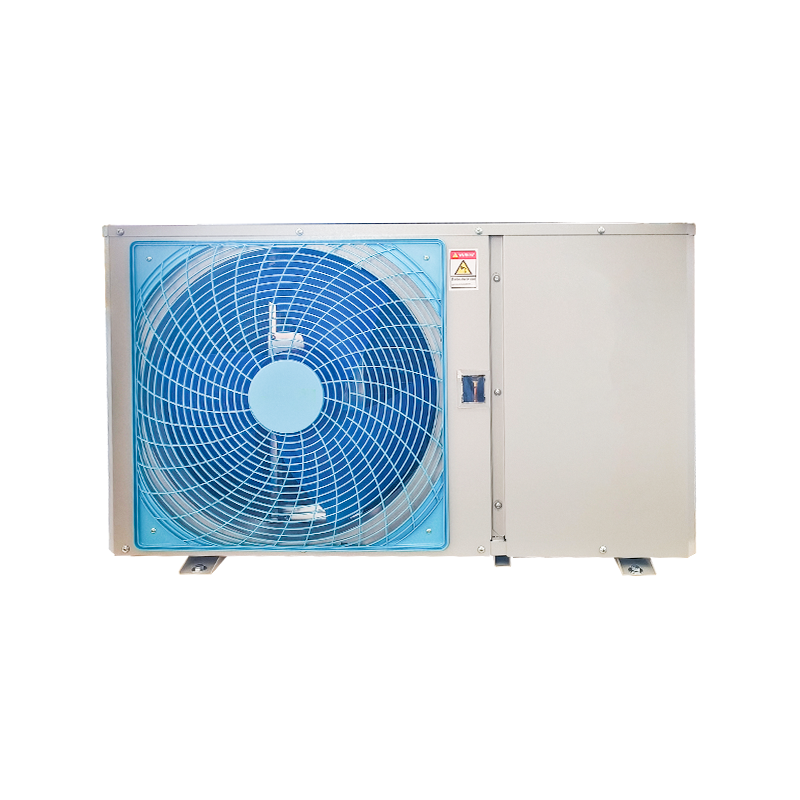
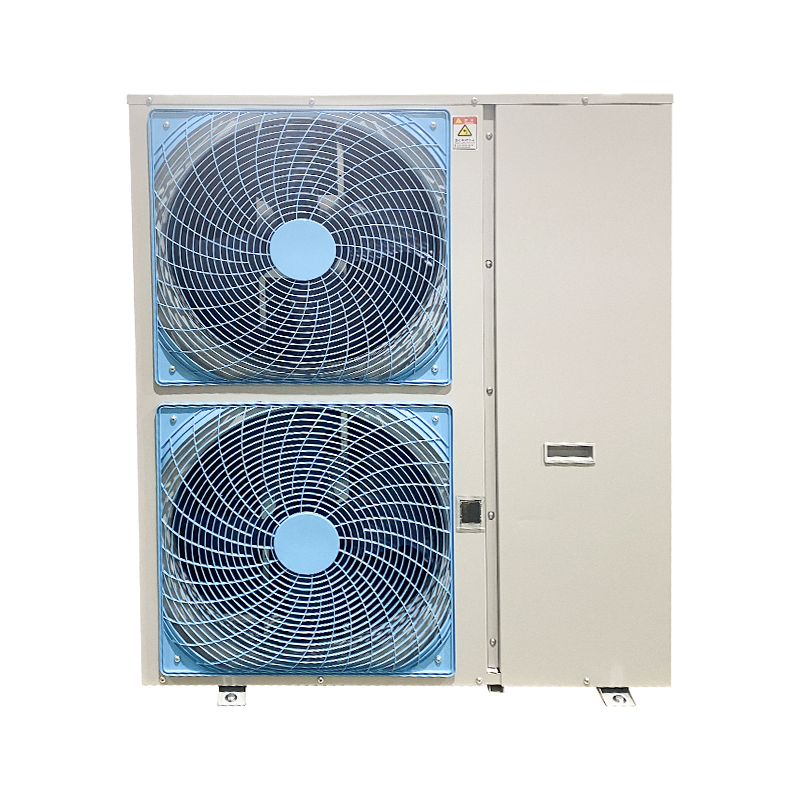
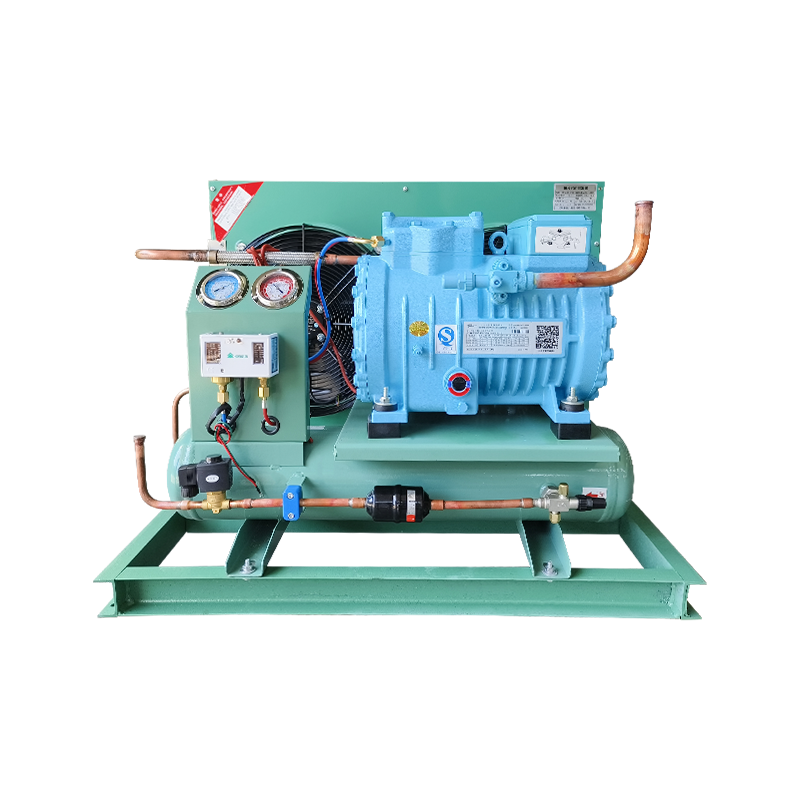 Air-Cooled Condensing Units for Small and Medium Cold StorageWaterless air-cooled condensing units suit small to medium cold rooms and water-scarce sites, with models from 3HP to 120HP and low maintenance.View Product →
The evaporator is where the useful cooling happens. It absorbs heat from the air, product, or both. Its coil size, fan performance, defrost method, and temperature difference must match the room’s load and temperature target. If you want a deeper look at the hardware side, this explanation of how cold room evaporators work is a useful companion to the basic cycle.
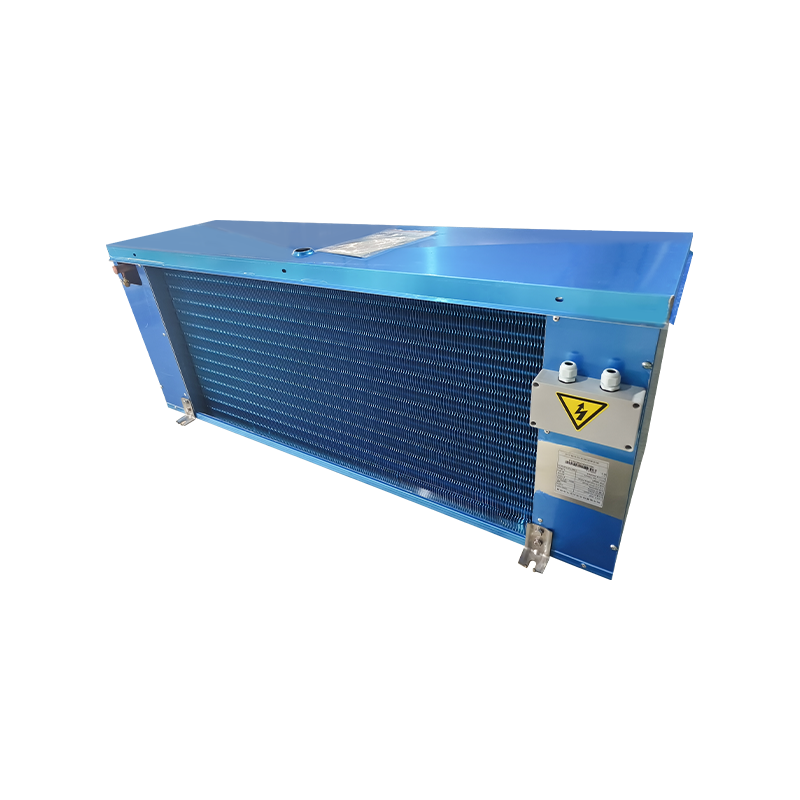 Middle-Temperature Rapid Pull-Down Evaporator for Cold RoomsThis evaporator supports fast cooling in meat, seafood, dairy, and quick-chill applications, with high-efficiency fins, uniform airflow, and smart defrost options.View Product →
Monoblock units combine the main refrigeration components in one compact casing. They are practical for smaller rooms and installations where space or piping access is limited. The trade-off is that capacity and configuration must be selected carefully, because the unit has less flexibility than a split system.
A refrigeration cycle can be mechanically correct and still perform poorly if the surrounding conditions are wrong. Three practical factors show up again and again:
These factors are closely linked. A room with frequent door openings, warm product entering, or a poor door seal will place a heavier moisture load on the evaporator. The system may need more defrost capacity, a different evaporator selection, or better operational discipline.
When a refrigeration system is not working properly, the symptoms often point back to the same basic stages. A condenser that is clogged or surrounded by hot air cannot reject heat efficiently. An evaporator that is heavily iced cannot absorb heat. A low refrigerant charge or a restricted expansion device can starve the evaporator and cause unstable temperatures.
Diagnosis should always start with the full picture: pressures, temperatures, airflow, electrical controls, and the actual load inside the room.
Efficiency improvements usually come from reducing unnecessary temperature lift, improving heat transfer, and matching capacity to demand. Variable-frequency compressors, electronic expansion valves, smarter defrost controls, and AI-assisted temperature control are all ways to keep the cycle closer to its ideal operating point instead of running flat out.
At AUSSN, our daily work as a condensing unit manufacturer keeps us close to these practical details. We build systems for commercial freezers, cold rooms, and other refrigeration projects, and we see how much performance depends on matching the condensing unit, evaporator, controls, and installation as one balanced system. The best equipment is not the one with the biggest headline number; it is the one that holds temperature reliably, uses energy sensibly, and stays serviceable over time.
How refrigeration works comes down to a simple loop of pressure change and phase change. The compressor raises pressure, the condenser rejects heat, the expansion device lowers pressure, and the evaporator absorbs heat. Everything else supports that loop.
Once you understand that cycle, you can read a refrigeration system with more confidence, whether you are checking a small display cooler or planning a commercial cold room.
For exclusive deals and latest offers, sign up by entering your email address below.

We specialise in the refrigeration industry. Please feel free to contact us.
