


 English
 中文简体
中文简体 Español
Home / News / Industry News / Why Choose a Water Cooled Condensing Unit for Large-Scale Cold Storage?
Industry News
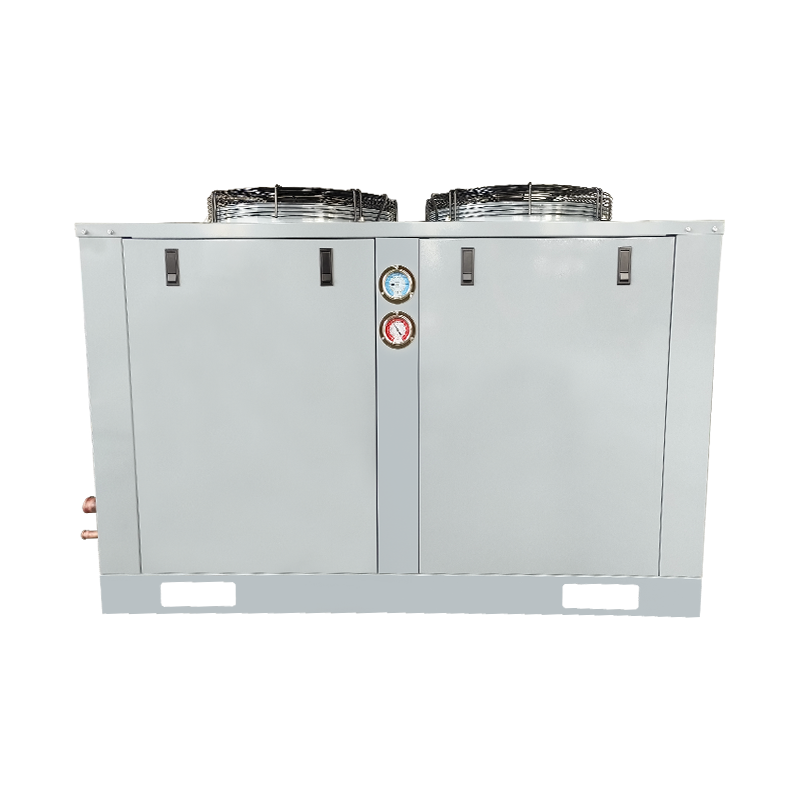
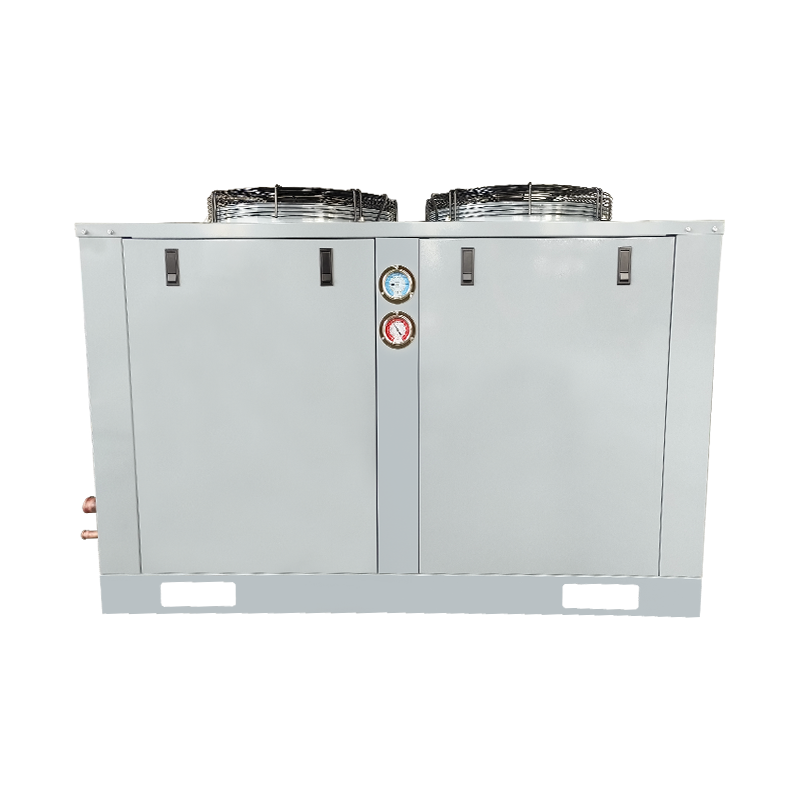
Cold storage operators running high-load, continuous operations in warm climates face a persistent challenge: air-cooled refrigeration systems lose efficiency exactly when ambient temperatures peak. Water cooled condensing units address this limitation directly by dissipating heat through a water circulation system rather than relying on outdoor air temperature. This article explains how these units function, what performance advantages they offer over air-cooled alternatives, and how to select the right configuration for a given facility.
Content
A water cooled condensing unit rejects heat through a cooling tower or chilled water system rather than through ambient air passing over a condenser coil. This distinction matters most in regions where daytime temperatures climb high enough to reduce the effectiveness of air-cooled condensers, since air-cooled systems depend on a temperature differential between the refrigerant and the surrounding air to reject heat efficiently. Water systems, by contrast, can maintain a more consistent and controllable heat rejection temperature regardless of outdoor air conditions, which keeps the refrigeration cycle operating closer to its designed efficiency even during extreme heat.
Several measurable performance differences separate water cooled condensing units from their air-cooled counterparts, particularly in demanding cold storage applications.
Shell-and-tube or plate condensers used in water cooled systems typically achieve heat exchange efficiency 20 to 30 percent higher than comparable air-cooled condensers. This efficiency gain is especially valuable in high-ambient-temperature regions, where air-cooled units must work harder to achieve the same heat rejection, placing additional strain on the compressor.
For the same cooling capacity, water cooled condensing units generally consume 15 to 25 percent less energy than air-cooled equivalents, a difference that compounds significantly for facilities operating around the clock. Pairing the system with variable frequency water pumps and cooling towers allows the unit to further modulate energy use based on actual load conditions rather than running at a fixed rate regardless of demand.
Because controllable cooling water temperature keeps the condensing pressure more stable, the compressor experiences a lower average operating load than it would under fluctuating air-cooled conditions. This reduced load is associated with meaningfully lower failure rates over the equipment's service life, translating into fewer unplanned maintenance events and a longer practical lifespan for the compressor itself.
Water cooled condensing units are produced across a wide capacity range, allowing facility operators to match equipment sizing closely to actual cold storage demand rather than over- or under-specifying capacity.
| Facility Type | Typical Capacity Range |
| Small to medium cold storage | 3HP to 15HP |
| Mid-size distribution centers | 15HP to 30HP |
| Large logistics cold chain centers | 30HP to 50HP |
Beyond capacity, the operating temperature range of the unit determines what processes it can support. A wide range extending from around -40°C to +10°C allows a single product line to serve applications from standard cold storage through quick-freezing and ultra-low-temperature processes, giving facility planners flexibility to standardize on fewer equipment types across different zones of the same operation.
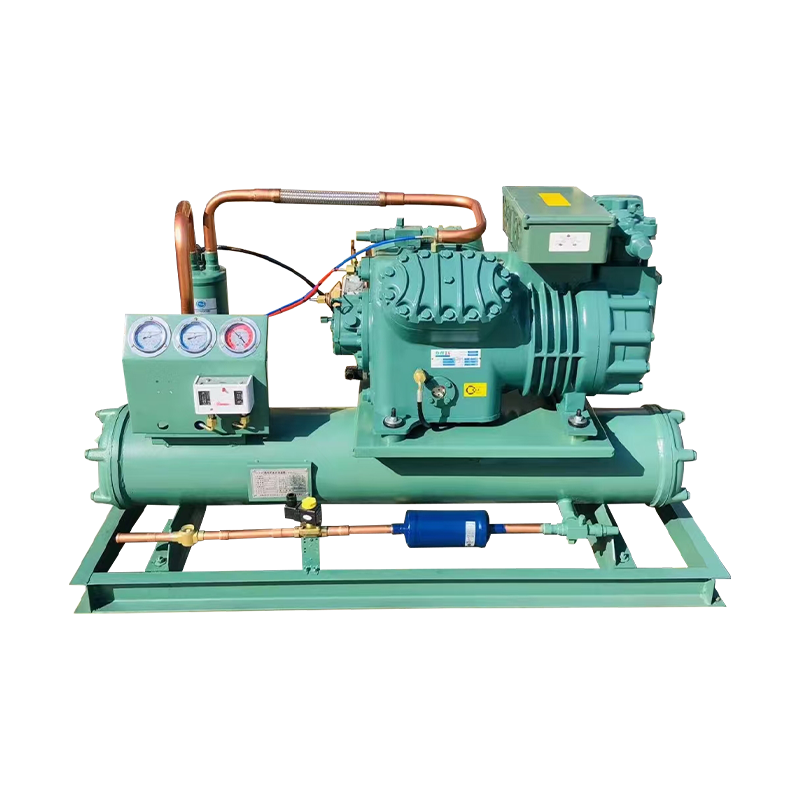
Because water cooled condensing units eliminate the outdoor fan noise associated with air-cooled condensers, operating noise levels typically stay at or below 60dB. This makes water cooled equipment a practical choice for facilities located near residential areas, office buildings, or other noise-sensitive surroundings, where air-cooled units with large outdoor fans might otherwise create compliance or complaint issues.
Modern water cooled condensing units are frequently paired with an optional PLC-based automatic control system that monitors water temperature, pressure, and other operating parameters in real time. This level of monitoring allows the system to make continuous small adjustments to maintain optimal operating conditions, rather than relying on manual checks or fixed setpoints that may not account for changing load or ambient conditions throughout the day. For facilities running quick-freeze production lines or maintaining strict low-temperature workshop conditions, this real-time control reduces the risk of temperature excursions that could compromise product quality.
While water cooled condensing units can serve a wide range of refrigeration applications, certain facility types see particularly strong returns from this technology.
Choosing the right unit for a specific facility involves evaluating several factors together rather than focusing on capacity alone. Facility operators should confirm that the unit's operating temperature range matches the coldest and warmest processes the facility runs, since a mismatch can force reliance on secondary equipment. Access to a reliable water source and cooling tower infrastructure is essential, since water cooled systems depend on this supporting infrastructure to function, unlike self-contained air-cooled units. Energy efficiency ratings should be compared alongside long-term maintenance costs, since the lower failure rate associated with reduced compressor load can meaningfully offset the higher upfront infrastructure investment water cooling requires. Finally, facilities considering future capacity growth should evaluate whether the selected unit and its supporting cooling tower system can scale, since retrofitting water infrastructure after installation is typically more disruptive than sizing appropriately from the outset.

For exclusive deals and latest offers, sign up by entering your email address below.

We specialise in the refrigeration industry. Please feel free to contact us.
