

 English
 中文简体
中文简体 Español
Industry News
Content
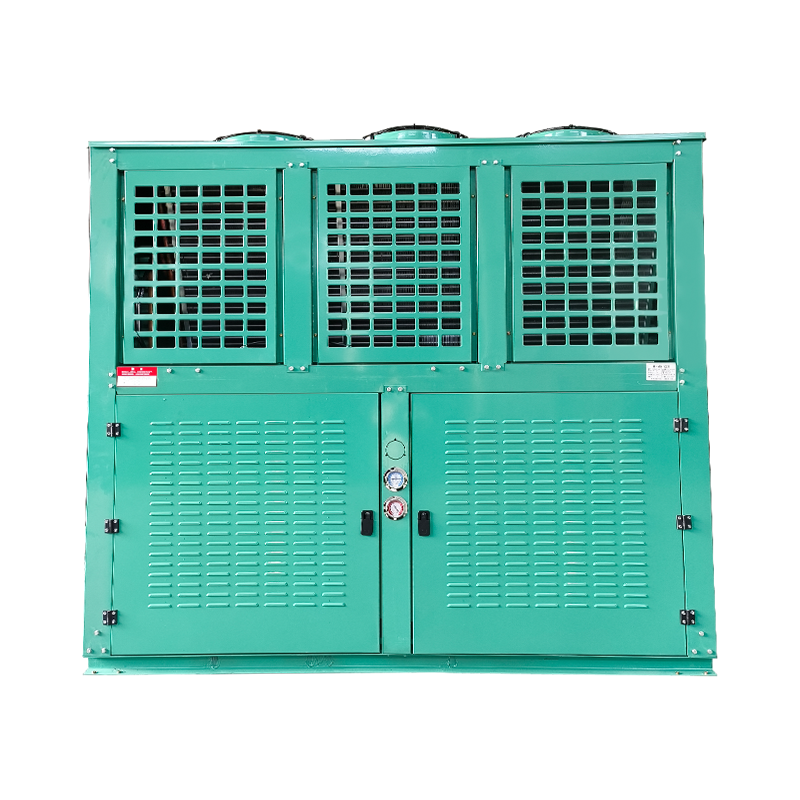
What Is a Side Air Outlet Condensing Unit?
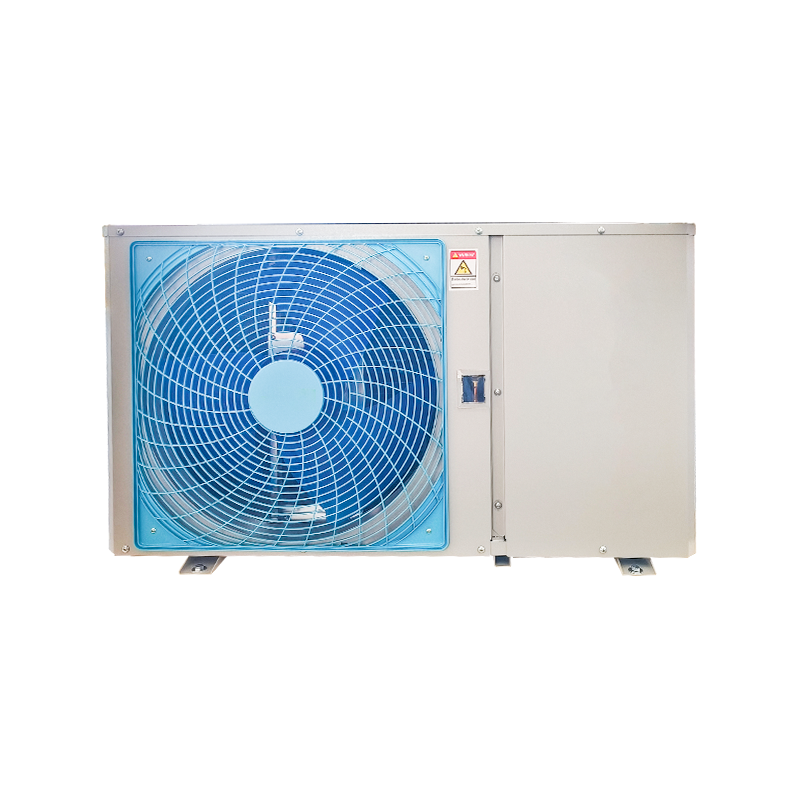
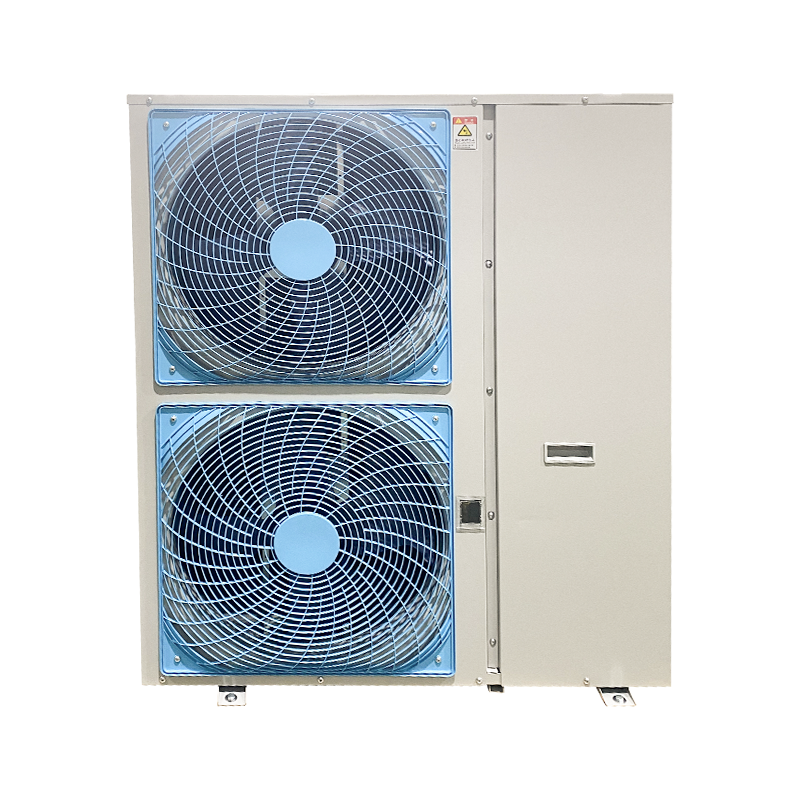
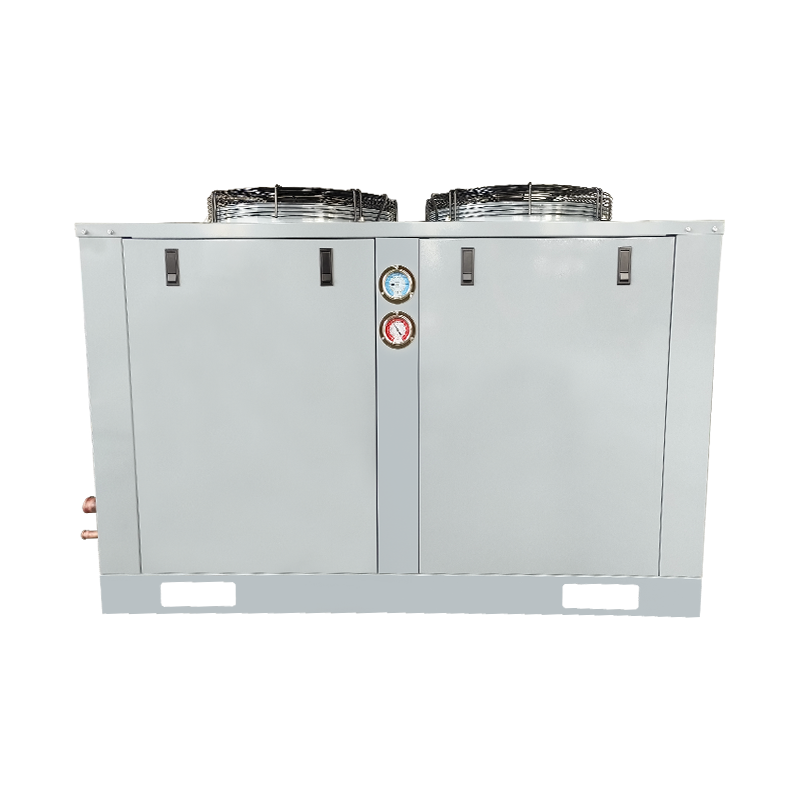
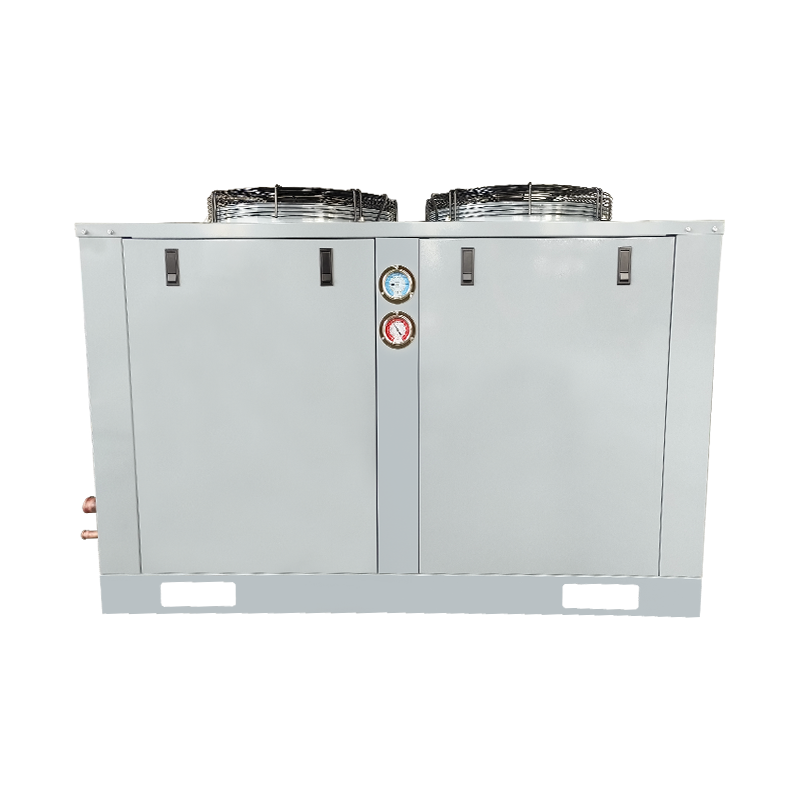
Walk behind a row of supermarket display cases or into the cramped service corridor of a small cold storage facility and you immediately understand why horizontal airflow matters. A side air outlet condensing unit moves air across the condenser coil and discharges it from the side of the unit rather than vertically through the top. This horizontal discharge arrangement fundamentally changes where and how you can install the refrigeration system.
In a top discharge design, hot condenser air is pushed upward, which demands open vertical clearance and often requires roof vents or exhaust hoods. A side outlet unit pulls ambient air in through one side of the weatherproof enclosure, forces it through the condenser coil, and ejects the heated air out the opposite side. For applications where headroom is limited—under low mezzanines, inside repurposed container cold rooms, or along walls with overhead obstructions—this horizontal path is often the only workable choice. The air pattern also reduces the risk of hot exhaust immediately rising and being reingested by the condenser intake, a common efficiency loss in tight machine rooms.
Commercial cold storage operators and refrigeration contractors regularly select side outlet condensing units when the installation footprint is deep but shallow in height and when quiet operation near customer areas is required. To see how different compressor and capacity combinations fit into this form factor, explore our full range of side air outlet condensing units.
How It Works – Forced Draft Design in Commercial Refrigeration
The forced draft architecture is straightforward but influences reliability more than many specifiers realize. A propeller or axial fan mounted on the front or rear panel draws air through the condenser coil and pushes it horizontally across the compressor compartment. Because the fan motor sits on the cold air intake side or behind a protective panel, it runs cooler than in some top discharge configurations where the motor hangs directly above the coil and absorbs radiated heat continuously.
Airflow management is critical. The unit must be positioned so that the intake side faces an unobstructed fresh air supply and the discharge side rejects heat into a corridor or exterior space without recycling. When spacing guidelines are followed, the horizontal airflow keeps condensing temperatures stable, which directly extends compressor life and maintains the design refrigeration capacity. A horizontal air path also reduces the risk of recirculation in low-ceiling plant rooms where vertical discharge would simply bounce hot air back onto the unit. Access panels on the side housing give technicians quick entry to the condenser fan, motor, and controls without climbing, which speeds up routine inspections and repairs.
Key Advantages Over Top Discharge Units
Space Efficiency
Side outlet condensing units are routinely specified where vertical space is at a premium. A typical unit with a horizontal exhaust profile fits under a 2.1‑metre ceiling, in a narrow alley between coolers, or directly against a wall without sacrificing service clearance. While a top discharge unit needs a clear upward air column, the side discharge version translates that vertical requirement into horizontal clearance, often freeing half a metre or more of usable headroom. In practice this means that a cold room designed for a compact commercial kitchen or a convenience store backroom can use the full room height for storage racks or secondary equipment.
Lower Noise Operation
Noise measurements consistently show that directing condenser exhaust horizontally lowers perceived sound levels in adjacent occupied spaces. The reason is partly physical: vertical discharge creates a turbulent plume that can interact with ceiling structures or rooftop ducting, amplifying broadband noise. A side outlet unit channels the sound energy horizontally, often toward a building wall or an alley where noise dissipates before reaching customers or staff. When a condensing unit sits next to a dining area or a retail checkout, that controlled acoustics profile becomes a significant operational advantage.
Flexible Installation Options
Because horizontal airflow allows multiple units to be placed side by side without competing for vertical air space, side discharge designs simplify plant layout. A contractor can line up two, three, or four units along a wall, each feeding a separate evaporator circuit, without installing elaborate ductwork or air deflectors. This modularity is particularly valuable in facilities that phase cold storage expansion over time. Careful arrangement of multiple units along a common service aisle often doubles the usable equipment density compared to top discharge clusters. For practical layout guidance, see our article on optimizing layout for low-temperature cold rooms.
Simplified Maintenance Access
All primary service points—condenser coil face, fan motor, electrical compartment, compressor terminals—are accessible from the unit’s front or side panels at standing height. Technicians do not need ladders or platforms to inspect coil condition or to wash out debris. In a busy commercial kitchen or a distribution cold store where downtime is measured in lost product, that ground-level accessibility cuts mean time to repair and reduces the risk of unsafe working postures.
Compressor Selection Guide for Side Air Outlet Models
Choosing the right compressor for a side air outlet condensing unit drives both initial cost and long-term operating stability. The three compressor series commonly applied to these units—Copeland, Panasonic, and Xecom—each serve distinct duty profiles. The table below summarises the power ratings and ideal applications, while the following sections examine the operational characteristics that matter most during specification.
| Compressor Brand | Nominal Power (HP) | Best Suited Application Profile |
|---|---|---|
| Copeland | 220 | Heavy-duty continuous operation, large coolers and freezers |
| Panasonic | 312 | Medium-load commercial cabinets, walk-in coolers, stable part-load behaviour |
| Xecom | 220 | Cost-effective small to medium cold rooms, light commercial |
Copeland Compressor
When the application demands 24‑hour pull‑down and frequent door openings—think walk-in freezers in busy restaurant kitchens or pharmaceutical cold stores—Copeland scroll compressors inside a side outlet chassis deliver proven longevity. The 220HP version handles substantial refrigerant mass flow with low vibration, and its compliant scroll design tolerates the minor liquid slugging that often accompanies defrost cycles. For continuous heavy-duty cooling where downtime is not an option, the Copeland option tends to be the first pick among refrigeration engineers. One widely specified example is the 220HP Copeland-powered side air outlet condensing unit.
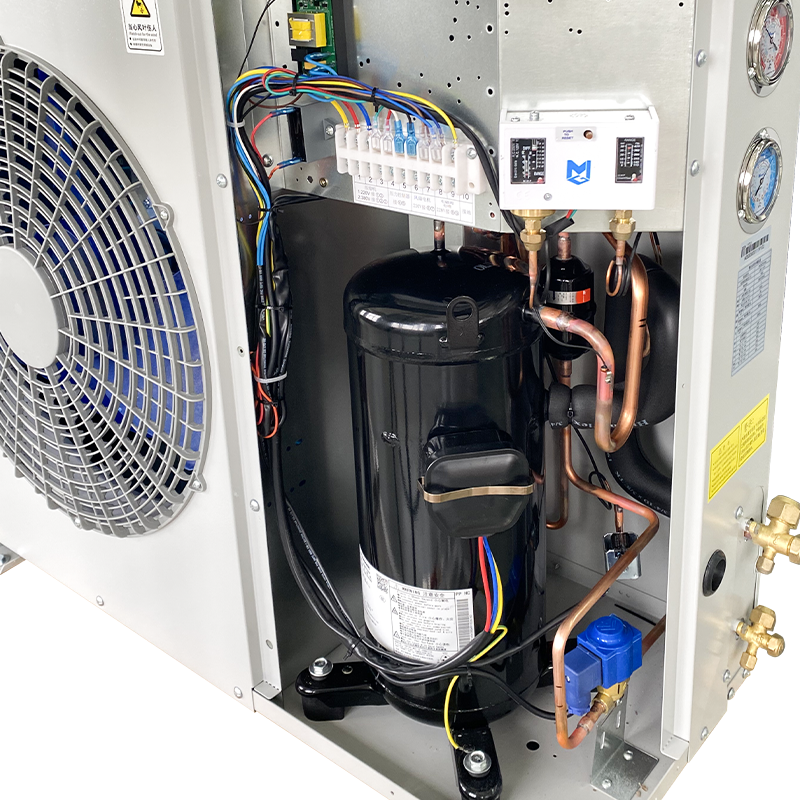 Side Air Outlet Condensing Unit(Using Copeland Compressor) 2-20HP Suppliers, CusAosheng supply Side Air Outlet Condensing Unit(Using Copeland Compressor) 2-20HP for sale, we are Custom Side Air Outlet Condensing Unit(...View Product →
Panasonic Compressor
Panasonic rotary and scroll compressors excel in environments that need quiet, consistent operation across variable load conditions. The 312HP side air outlet unit supplies strong capacity for medium-temperature display cabinets and preparation room coolers without generating the sharp start-up current spikes seen in some reciprocating designs. Field observations show that the smoother torque curve reduces stress on the mounting frame and piping, which is particularly valuable when the unit hangs on a wall bracket. Contractors often choose the 312HP Panasonic side air outlet model for projects where noise limits and energy meters are both under close scrutiny.
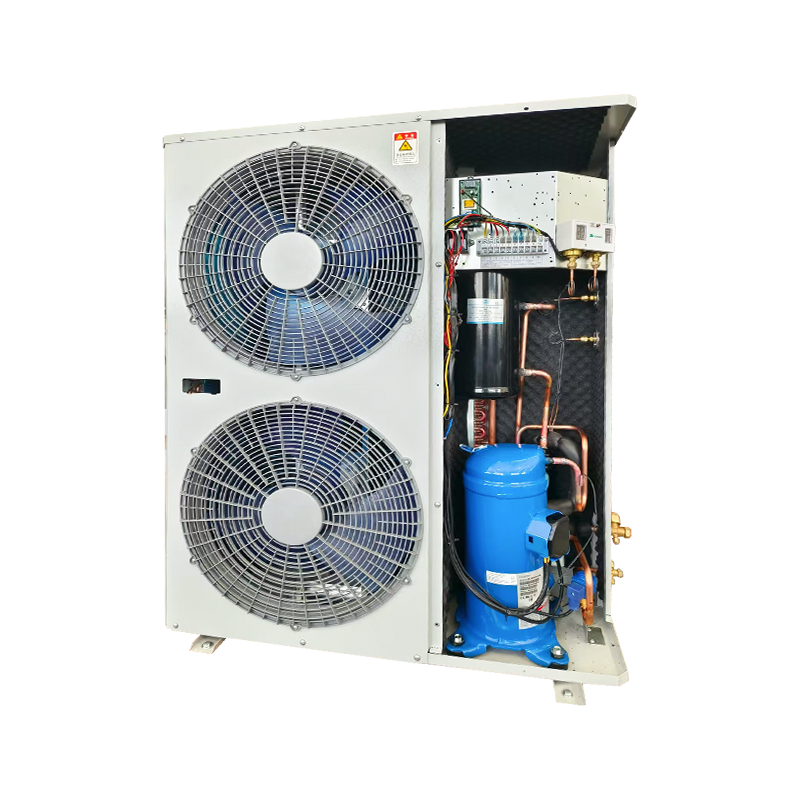 Side Air Outlet Condensing Unit(Using Panasonic Compressor) 3-12HP Suppliers, CuAosheng supply Side Air Outlet Condensing Unit(Using Panasonic Compressor) 3-12HP for sale, we are Custom Side Air Outlet Condensing Unit...View Product →
Xecom Compressor
For budget‑conscious projects that still require reliable cooling, Xecom compressors offer a sensible entry point. The 220HP Xecom‑based side air outlet unit can efficiently serve a single walk-in cooler or a cluster of under‑counter units in a small convenience store. While the service intervals may be slightly tighter than on premium compressor brands, the upfront saving often aligns with capital‑constrained roll‑out plans. Many regional cold chain operators use the Xecom compressor-based 220HP side air outlet unit as a standardised fleet component, stocking common spares to keep maintenance simple.
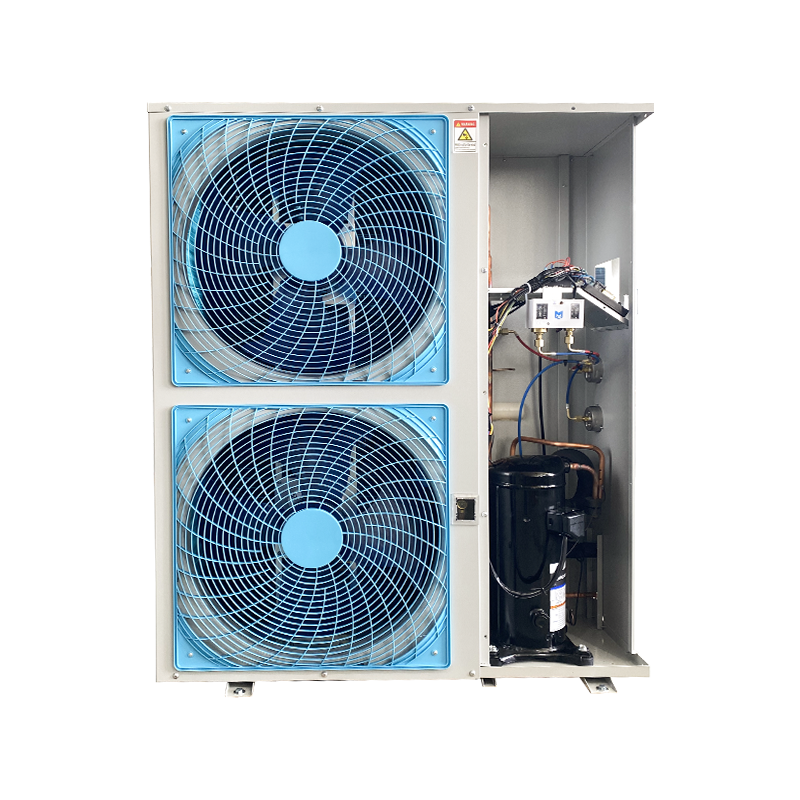 Side Air Outlet Condensing Unit(Using Xecom Compressor) 1.2-20HP Suppliers, CustAosheng supply Side Air Outlet Condensing Unit(Using Xecom Compressor) 1.2-20HP for sale, we are Custom Side Air Outlet Condensing Unit(U...View Product →
Common Application Scenarios
The horizontal discharge geometry easily adapts to the real constraints of commercial refrigeration builds:
- Supermarket display cases and backroom coolers where units line a narrow service corridor barely wider than a pallet jack.
- Small‑capacity food processing cold stores tucked under mezzanine offices or within existing warehouse racking aisles.
- Dark stores and quick‑commerce fulfilment centres where multiple independent temperature zones are created in repurposed urban spaces with low suspended ceilings.
- Walk‑in freezers abutting a structural column or a fire‑rated wall that would otherwise block the vertical plume of a top discharge unit.
In each of these situations, a side air outlet condensing unit eliminates the need to build expensive duct extensions or to sacrifice valuable refrigerated volume just for overhead clearance.
Installation & Maintenance Best Practices
A well‑installed side discharge unit runs for years with minimal intervention, but a few common oversights can quickly erode performance. Follow these field‑proven guidelines:
- Clear the air path. Keep at least 300 mm of unrestricted space on the intake side and a minimum of 500 mm on the discharge side. Any closer than that and condenser fan static pressure rises, cutting airflow and raising head pressure.
- Verify fan rotation on three‑phase units. A reversed fan moves some air but can easily reduce condensing capacity by 30%. Always check rotation during commissioning and after any electrical work.
- Clean the condenser coil quarterly. In greasy kitchen environments or dusty loading docks, side‑facing coils can collect debris faster than top‑discharge coils. A soft brush and low‑pressure air or water keep the fin surface effective.
- Monitor refrigerant pressure seasonally. Changing ambient conditions shift the condensing temperature, especially when a unit sits against a sun‑heated wall. Adjust the head pressure control setting if summer pressures push beyond the compressor’s design envelope.
- Inspect electrical connections and contactors. Vibration from the horizontal fan assembly can loosen terminals over time; a quick torque check on main connections prevents avoidable compressor failures.
Conclusion
A side air outlet condensing unit is not simply a repackaged top discharge model; its horizontal airflow reshapes the entire installation and service philosophy of a cold storage project. It slots into spaces too tight for vertical exhaust, keeps noise directed away from occupied zones, and creates a service‑friendly layout that reduces labour costs over the life of the equipment. By matching the operating profile to a Copeland, Panasonic, or Xecom compressor—and observing a short checklist of installation and maintenance rules—a commercial refrigeration system built around a side outlet unit can deliver predictable, energy‑conscious performance year after year. For engineers and buyers who need to solve real‑world space constraints without compromising reliability, the side discharge platform often becomes the default specification.