


 English
 中文简体
中文简体 Español
Home / News / Industry News / How to Adjust a TXV for Superheat: A Practical Step-by-Step Field Guide
Industry News
If you have ever crouched in front of a cold room evaporator with a thermometer in one hand and a gauge manifold in the other, quietly wondering whether that small brass valve is doing its job, you are in good company. Adjusting a thermostatic expansion valve for the right superheat is one of the most feel-dependent jobs in refrigeration. The good news is that it is repeatable, as long as you are willing to work slowly and change one thing at a time.
Content
Superheat is the difference between the measured suction line temperature at the outlet of the evaporator and the saturation temperature that corresponds to the pressure at that same point. If the suction line reads 40°F and the pressure corresponds to a 30°F evaporating temperature, your superheat is 10°F.
That number matters because it is the signal the TXV uses to position itself. A sensing bulb is strapped to the suction line and charged with a temperature-sensitive fluid. When the suction line warms up (high superheat), pressure inside the bulb rises, pushes the pin off its seat, and more refrigerant flows. When the suction line cools down (low superheat), pressure falls and the spring closes the valve. Around and around it goes, holding superheat inside a narrow band.
The target value depends on the application:
| Application | Typical Target Superheat | Notes |
|---|---|---|
| Commercial freezer or display case | 6 to 10°F | Small charge, short line runs |
| Medium temperature cold room | 8 to 12°F | Stable load, steady running conditions |
| Low temperature cold room | 8 to 12°F | Watch for frost and low load operation |
Read those figures as guidance, not law. Valve manufacturers publish their own recommendations, and every system has its own personality. What matters is that your reading sits comfortably inside the range and stays there.
Seven or eight out of ten superheat complaints have nothing to do with the valve. Run through these first:
Measurement quality decides adjustment quality, so take your time:
One thing worth repeating: measure at the bulb, not somewhere more convenient. Move a few inches upstream and you can easily pick up a degree or two of error, then spend an hour chasing a problem that does not exist.
The adjusting stem sits on top of the valve body, usually under a cap. It compresses a spring that loads the pin. Turning it clockwise tightens the spring, closes the valve, and raises superheat. Turning it counterclockwise relaxes the spring, opens the valve, and lowers superheat.
The procedure itself is simple, and that is exactly why people rush it:
Do not chase a number below roughly 5°F. Very low superheat means liquid droplets may be travelling back to the compressor, and slugging does far more damage than a slightly high superheat ever will.
Sometimes the stem turns and nothing happens. If superheat stays high and closing the valve does not help, the port may be restricted or an internal part may have failed. If superheat stays low regardless of adjustment, the diaphragm may have ruptured or the bulb charge may have been lost. If superheat swings every few minutes during steady operation, suspect an oversized valve or one that simply cannot control at the load it is being asked to handle.
Frost on the outside of the valve does not automatically mean the valve is finished. Flash gas forming before the refrigerant reaches the port will frost the body, and the real fault often sits upstream in the liquid line, the drier, or the charge itself.
At AUSSN, Changzhou Aosheng Refrigeration Technology, we build condensing units and evaporators for commercial cold rooms and display cases, and we see the same pattern repeatedly: a TXV that keeps misbehaving is often a symptom of a mismatch somewhere else. A valve can only hold superheat steady if the evaporator coil presents a stable load and the condensing unit holds a stable condensing pressure. Let either one drift and the valve spends all day chasing a target that keeps moving.
Take a medium temperature cold room. If the coil is undersized for the pull-down, the valve runs wide open and superheat collapses once the room reaches temperature. A unit like the middle temperature 25 rapid pull-down evaporator is built for exactly that duty, absorbing a heavier heat load during pull-down and then settling down instead of leaving the valve to catch up.
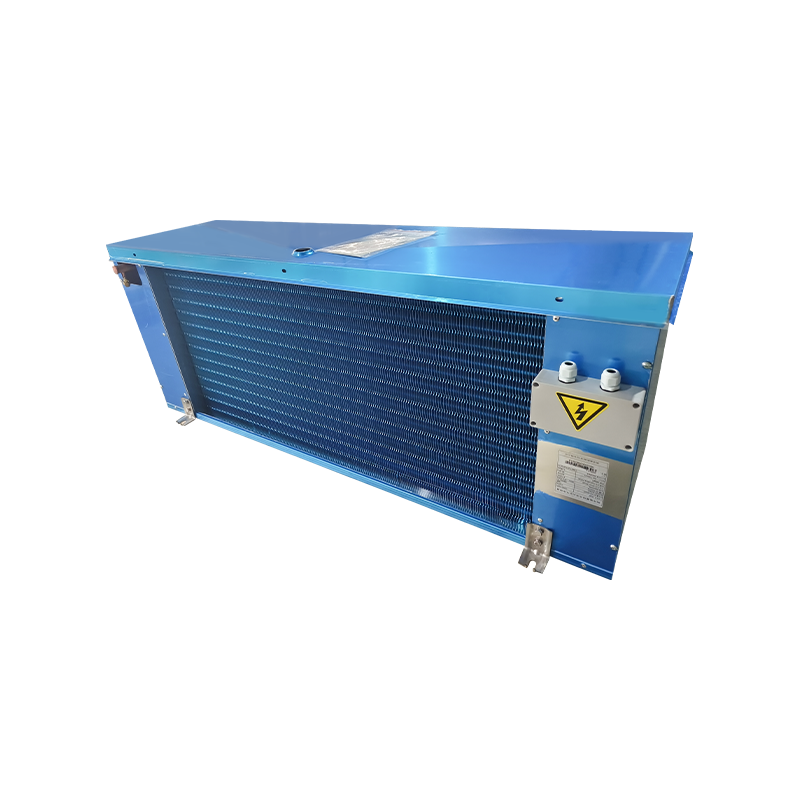 Middle Temperature Rapid Pull-Down EvaporatorMedium-to-low temperature evaporator for fast pull-down, featuring optimized coils, high-CFM fans, and capacities up to 37.4 kW.View Product →
On the condensing side, pressure that floats up and down with ambient temperature or compressor cycling disturbs valve control just as badly. A variable frequency hot fluorine unit helps here because it matches condensing capacity to the actual load rather than switching stages on and off, which gives the valve a stable reference to work against.
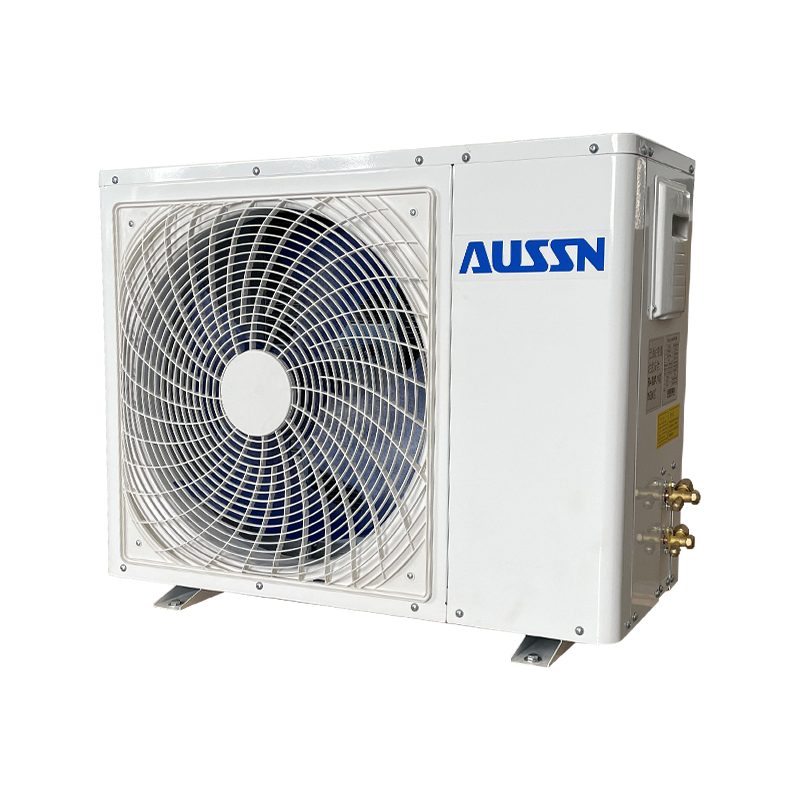 Variable Frequency Hot Fluorine Condensing UnitHot gas bypass and VFD condensing unit for precise temperature control, efficient defrosting, and stable operation in commercial refrigeration systems.View Product →
When both ends of the system are matched reasonably well, a TXV usually needs a turn or two of fine tuning and then gets left alone for years. That is the way it should be.
Adjusting a TXV for superheat is not a job you win by force. It is a conversation: you turn a little, you wait, and you let the instruments tell you what the system did. Measure carefully, adjust in small steps, and give the system time to answer, and most valves will settle on a setting they are happy to hold.
If you are selecting equipment for a new project rather than tuning an existing one, it is worth reading how to select the right cold room evaporator first. Getting the components right makes every later adjustment far easier.

For exclusive deals and latest offers, sign up by entering your email address below.

We specialise in the refrigeration industry. Please feel free to contact us.
