


 English
 中文简体
中文简体 Español
Home / News / Industry News / A2L Leak Detection Sensors: How They Work and Where Cold Rooms Need Them
Industry News
If you are pricing out a cold room or display-case retrofit in 2026, the refrigerant named on the submittal has probably changed from what it was three years ago. R-404A and R-410A are steadily giving way to A2L blends such as R-454A, R-454B, R-455A, and R-513A, and with that change comes a line item many quotes missed at first: refrigerant leak detection.
The conclusion up front: in most installations where an A2L refrigerant charge sits in an occupied space above the minimum thresholds set by safety standards, an A2L leak detection sensor is mandatory equipment, not an optional accessory. Specified early, it is a modest cost that keeps the project compliant and the system running. Discovered during inspection, it becomes downtime, rework, and a delayed handover.
Content
The designation comes from ASHRAE Standard 34: A2L refrigerants have lower toxicity (the "A") and lower flammability (the "2L"), meaning their flames propagate at 10 cm/s or less. They can still ignite, which is the entire reason the sensor exists.
An A2L leak detection sensor continuously samples the air in a machinery space or cold room and reports refrigerant vapor concentration, usually in parts per million. The sensor does not decide anything on its own. It compares its reading against an alarm threshold, almost always set at 25 percent of the refrigerant's Lower Flammability Limit (LFL) in line with UL 60335-2-40 and IEC 60335-2-40. Once concentration crosses that point, the sensor closes a relay or sends a signal to the system controller, and the controller executes the mitigation sequence: sound an alarm, start mechanical ventilation, and shut off refrigerant flow or stop the compressor within a response time calculated from room volume and charge size.
The driver is regulatory. Under the AIM Act in the United States and the F-Gas Regulation in Europe, high-GWP refrigerants are being phased down, and A2L blends are the practical replacement across commercial equipment. Since the 2025 model-year transition in North America, most new unitary and light-commercial systems ship charged with R-454B or similar A2L refrigerants.
Standards such as ASHRAE Standard 15 and UL 60335-2-40 then determine when detection becomes compulsory. The logic is charge-based: a small A2L charge in a large, ventilated space may be permitted without mitigation, but once the charge exceeds what can safely disperse in that room, the standard requires a detection system tied to ventilation and shutdown. For a cold room contractor, this means the sensor requirement follows directly from the equipment selected, the refrigerant chosen, and the room volume — three decisions made long before installation day.
Three sensing technologies dominate the market, and choosing between them is mostly a trade-off between cost, selectivity, and stability.
| Technology | How It Works | Strengths | Watch-outs |
|---|---|---|---|
| Metal-oxide semiconductor (MOS) | A heated element changes electrical resistance as refrigerant molecules adsorb onto its surface | Low cost, fast response, compact | Cross-sensitive to solvents and cleaning agents; drifts over time and needs periodic calibration |
| Non-dispersive infrared (NDIR) | Refrigerant gas absorbs light at a specific infrared wavelength | Highly selective to the target refrigerant; stable long term; performs well at low temperatures | Higher unit cost and physically larger |
| Thermal conductivity | Measures the change in thermal conductivity of the air-gas mixture | Simple, robust, few components | Lower sensitivity; typically used for coarse or secondary detection |
For freezer and cold storage work, verify the operating temperature range before purchase. Many general-purpose models are rated only down to around 0 °C, while a low-temperature cold room may run at -18 °C to -35 °C. NDIR-based units and specially rated MOS units handle low temperatures far better, and remote-mounted sensors with sampling lines are an option when no sensor can survive the coldest zone.
Placement is physics, not preference. Most A2L refrigerants — R-32, R-454B, R-454A, R-455A — are two to three times denser than air, so a leak pools near the floor first. Sensors belong mounted low, typically within half a meter of the floor, close to the most probable leak points such as compressor connections and pipe joints, but out of direct evaporator airstreams and away from doorways where drafts distort readings.
Integration matters just as much as location. A sensor that only lights an indicator does not satisfy the standards. The detection system must be wired so that exceeding the threshold triggers the full mitigation chain: alarm, mechanical ventilation, and shutdown of the compressor and any electric valves within the calculated time limit. In practice, the sensor, the refrigeration controller, and the ventilation interlock must be specified together. During commissioning, test the sequence deliberately — introduce test gas, confirm the alarm sounds, the fan starts, and the unit stops.
A short checklist keeps procurement focused on the details that determine field performance:
Semiconductor sensors drift the fastest and are the most sensitive to airborne contaminants such as floor cleaners, which are common around food storage. In facilities that wash down regularly, NDIR sensors tend to justify their higher price through fewer false alarms and longer calibration intervals.
The sensor is only one component in a compliance chain, and the equipment around it determines how complicated that chain becomes. Factory-engineered systems with fewer field joints mean fewer leak points to monitor and a simpler detection layout. For cold rooms, the choice between a top-mounted and side-mounted packaged unit shapes both the charge inventory and the sensor placement plan, and a comparison of topmount and sidemount monoblock configurations is a useful starting point for that decision.
top-mounted monoblock condensing unit for cold rooms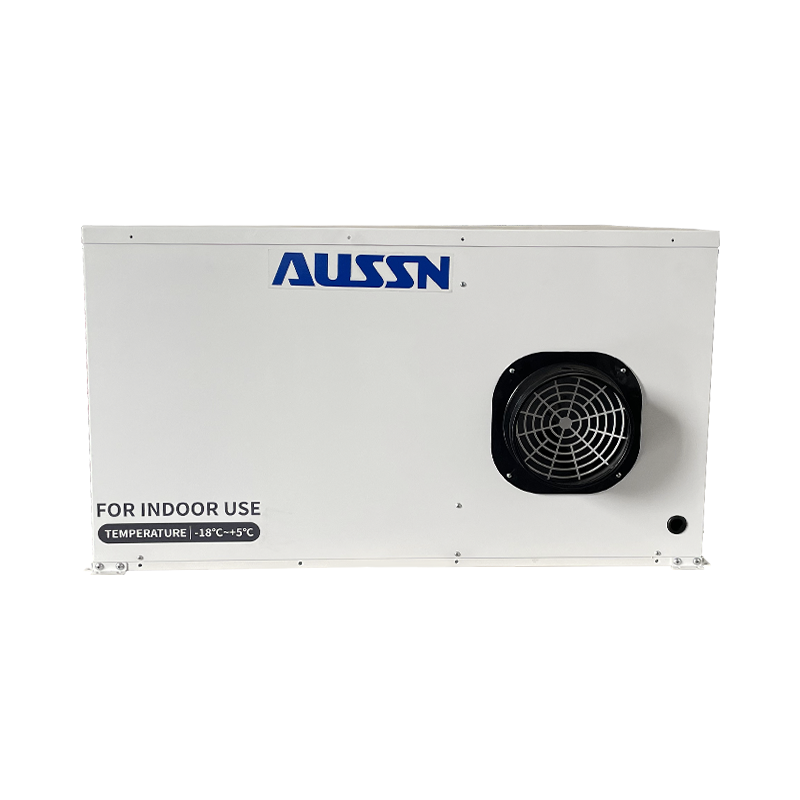 Top Mounted Monoblock for Cold RoomsA compact all-in-one refrigeration unit with compressor, condenser, evaporator, and controls in a single housing, roof-mounted for quick installation. Factory-built with fewer field joints, it reduces refrigerant charge and simplifies sensor placement planning.View Product →
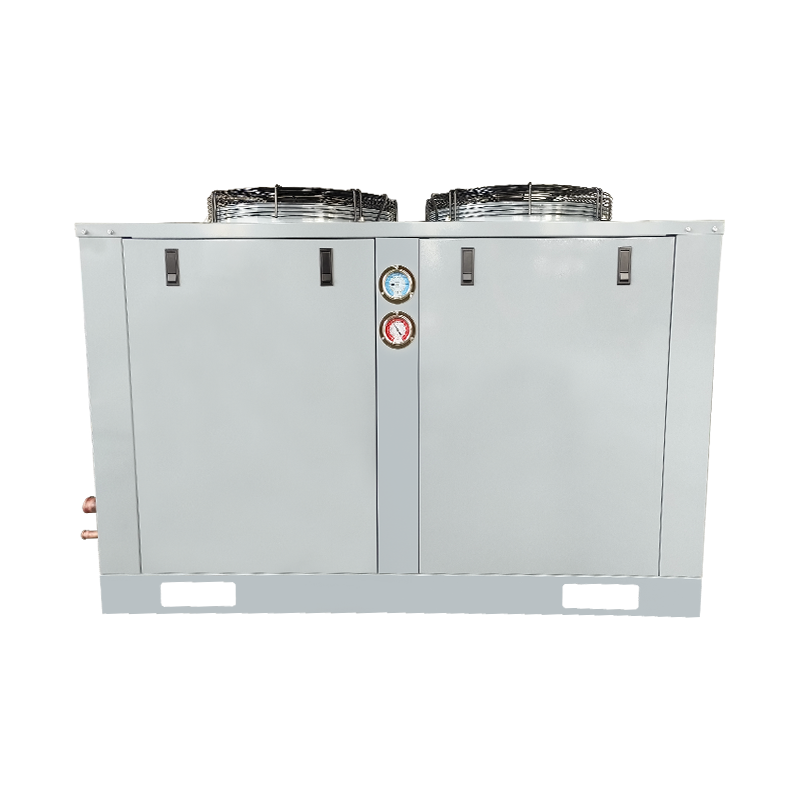
Condensing units remain the workhorse of custom cold room builds, and units built around proven compressors with full inspection before shipment give contractors a stable platform to pair with A2L detection. For low-temperature freezer applications running A2L blends, the medium-to-low temperature category is the one most often specified.
medium-to-low temperature air cooling condensing unit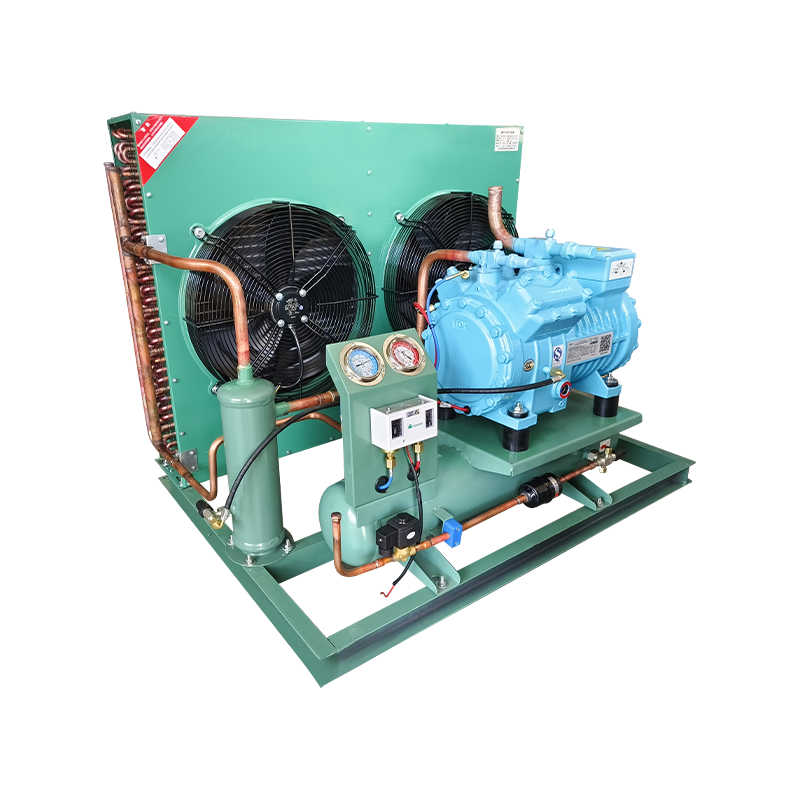 Medium to Low Temperature Air-Cooled Condensing UnitAn air-cooled condensing unit for -30°C to +10°C applications such as freezers and cold prep rooms. Built around proven compressors with full pre-shipment inspection, it offers a stable platform for pairing with A2L leak detection in low-temperature projects.View Product →
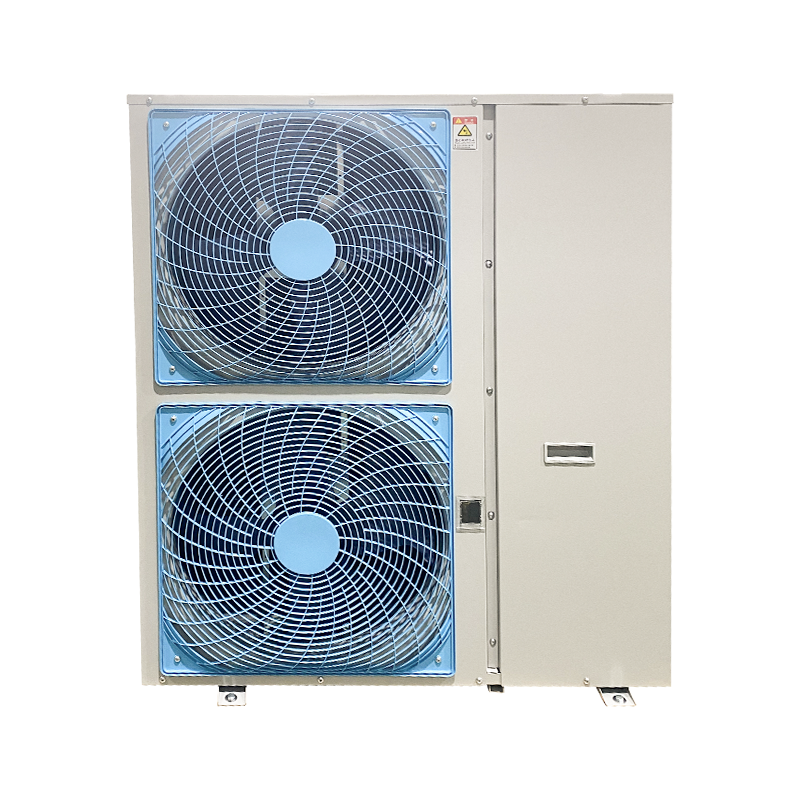
Control integration is the other half of the picture. Units that concentrate compressor speed regulation and protective logic in a single intelligent controller generally simplify the wiring of a detection input, because alarm and shutdown behavior route through one device instead of scattered components. AUSSN's AI variable-frequency temperature control hot fluorine unit follows this approach, though buyers should confirm interface details and refrigerant compatibility with the supplier before finalizing the electrical design.
AI variable-frequency temperature control hot fluorine unit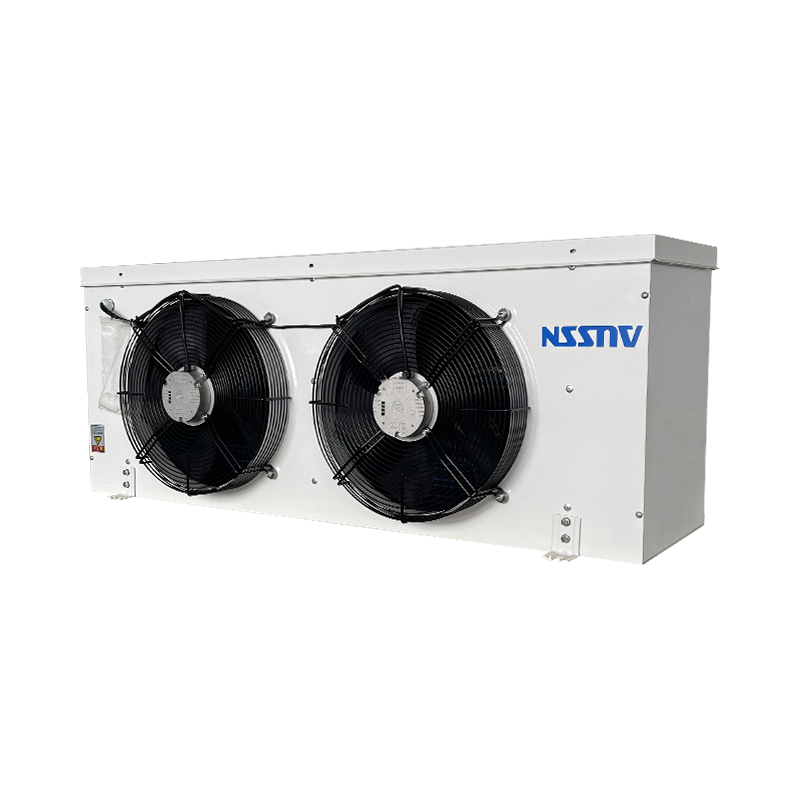 AI Variable-Frequency Temperature Control Hot Fluorine UnitThis variable-frequency unit concentrates compressor speed regulation and protective logic in one intelligent controller, with 4G remote monitoring and automatic alerts. That integration simplifies wiring detection inputs, routing alarm and shutdown behavior through a single device.View Product →
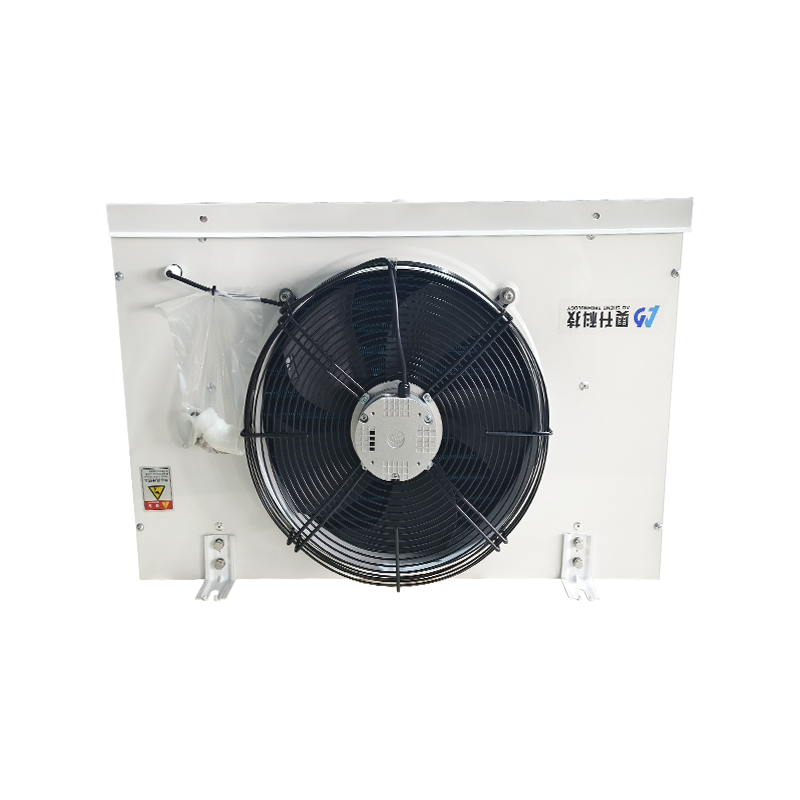
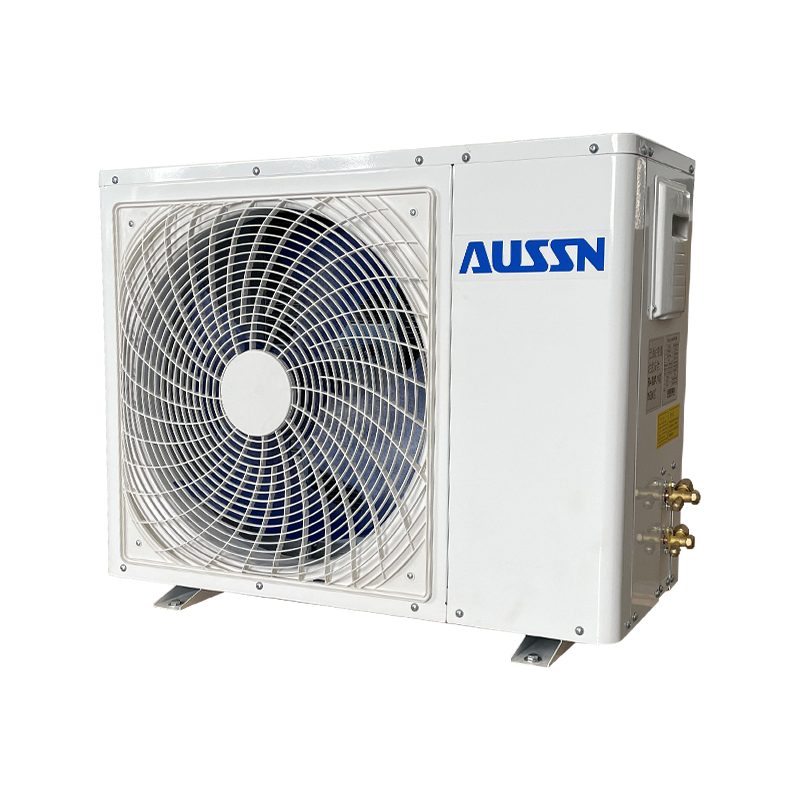
The practical takeaway for anyone buying or building A2L refrigeration: treat the leak detection sensor as a design input, not a part to source after installation. Decide the refrigerant, calculate the charge against the room, place the sensor low and near the likely leak points, and wire the mitigation sequence before the equipment ships. Projects that follow that order pass inspection on the first visit and, more importantly, get a system that reacts the way the standards intended when a leak actually occurs. Working with a manufacturer such as AUSSN that builds condensing units, evaporators, and monoblocks under one roof makes it easier to align the equipment package with detection requirements early — which is exactly when alignment is cheapest.
For exclusive deals and latest offers, sign up by entering your email address below.

We specialise in the refrigeration industry. Please feel free to contact us.
