


 English
 中文简体
中文简体 Español
Home / News / Industry News / What Is a Thermal Expansion Valve? How a TXV Controls Refrigerant Flow
Industry News
Walk into a cold room that refuses to pull down, and the compressor is often the first suspect. In many real service cases, however, the culprit is a much smaller component sitting at the evaporator inlet: the thermal expansion valve. This metering device controls the exact amount of liquid refrigerant entering the evaporator. When it malfunctions, the entire system shows confusing symptoms, from poor cooling to rapid short cycling.
Content
A thermal expansion valve (TXV or TEV) is a throttling device used in refrigeration and air conditioning systems. It sits between the condenser and the evaporator. The valve reduces high-pressure liquid refrigerant from the condenser to the lower pressure needed in the evaporator. At the same time, it meters the flow of refrigerant so that the evaporator receives the right amount of liquid for the existing heat load.
The name thermostatic comes from the valve's ability to sense the temperature at the evaporator outlet and adjust its opening. If too much refrigerant is fed, liquid can flood back to the compressor. If too little is fed, the evaporator becomes starved and the system loses capacity. This is why the TXV is described as the brain of the refrigeration cycle's low side.
The operating principle of a mechanical TXV is a balance of three forces. A sensing bulb is clamped to the suction line at the evaporator outlet. The bulb contains a charge of refrigerant whose pressure changes with the temperature of the suction gas. This pressure is transmitted through a capillary tube to the top side of a diaphragm inside the valve body. The bottom side of the diaphragm feels evaporator pressure, and a spring pushes the valve needle in the closing direction. The valve settles at the opening where these three forces are balanced.
The valve's goal is to maintain a constant superheat at the evaporator outlet. Superheat is the difference between the actual suction line temperature and the saturated temperature for the suction pressure. A typical setting is 5 to 8 kelvin (9 to 14 degrees Fahrenheit). If the outlet gas becomes warmer, the bulb pressure rises, the diaphragm moves down, and the valve opens wider to send more refrigerant into the coil. If the outlet gas cools, the opposite happens and the valve closes a little. This simple feedback loop keeps the evaporator active without sending liquid to the compressor.
In systems that use a refrigerant distributor or have a large pressure drop across the evaporator, an externally equalized TXV is used. This version senses evaporator pressure at the outlet rather than at the valve inlet, so the superheat setting remains accurate even with the pressure drop.
Expansion valve problems rarely stop the system completely. They usually show up as poor performance, strange frosting patterns, or protection devices tripping. A service technician often needs to measure pressures and temperatures to separate a TXV fault from a compressor or condenser fault.
Common symptoms include:
Typical root causes are a lost sensing bulb charge, a blocked orifice, a clogged filter screen, a broken capillary, a fatigued spring, or an incorrectly adjusted superheat. Regular maintenance should include checking the sensing bulb contact and insulation, cleaning the strainer, and verifying that the valve operates at the correct superheat.
An electronic expansion valve (EEV) replaces the mechanical sensing bulb and spring with a stepper motor and a controller. The controller monitors temperature and pressure sensors, then positions the valve to hold a target superheat or a target liquid level. An EEV responds faster than a mechanical TXV, maintains tighter control, and can adapt to changing conditions such as a large variation in heat load.
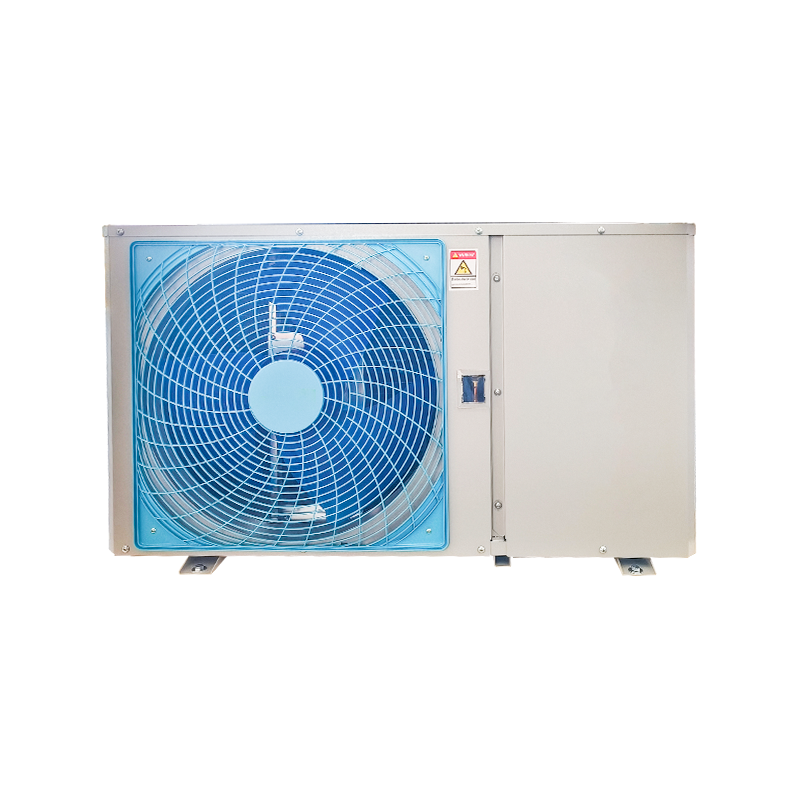
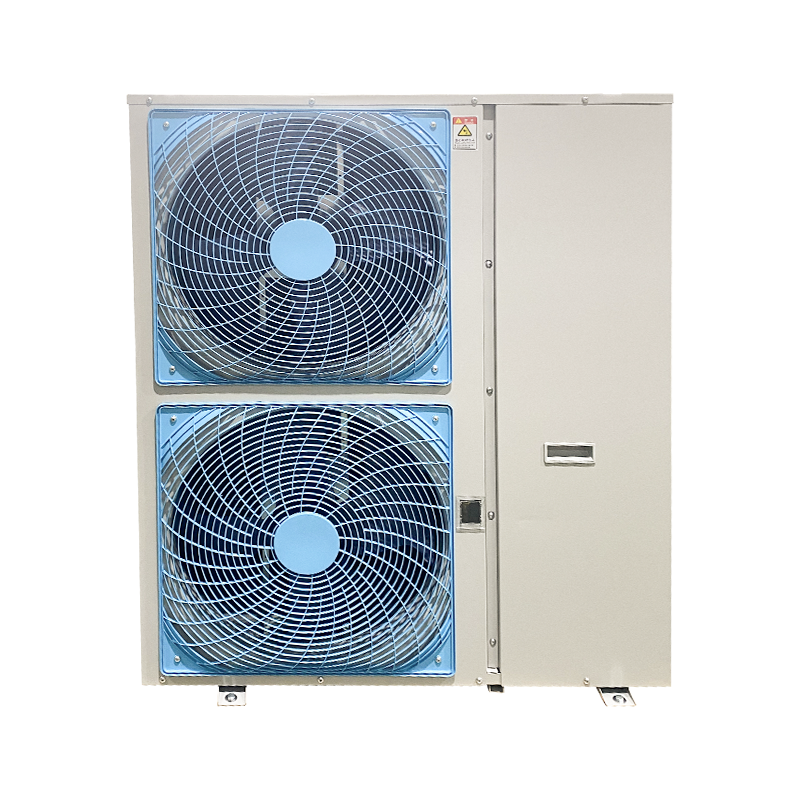
Manufacturers now combine electronic control with variable-capacity compressors to reduce energy consumption. AUSSN's AI variable-frequency temperature-control hot fluorine unit is an example of this direction. It adjusts compressor speed and refrigerant flow together to match the cold room load. For simple, steady-load applications, a conventional TXV remains a reliable and economical choice.
 Ai Variable-Frequency Temperature Control Variable Frequency Hot Fluorine Unit SAosheng supply Ai Variable-Frequency Temperature Control Variable Frequency Hot Fluorine Unit for sale, we are Custom Ai Variable-Frequen...View Product →
| Feature | Thermostatic Expansion Valve | Electronic Expansion Valve |
|---|---|---|
| Control method | Mechanical pressure sensing | Microprocessor-controlled electric motor |
| Superheat | Fixed by spring setting | Programmable and adaptive |
| Response speed | Medium | Fast |
| Cost | Lower | Higher |
| Maintenance | Mechanical checks | Electronic diagnostics |
| Best suited for | Steady or slowly varying loads | Variable loads and efficiency-focused systems |
Choosing the correct TXV is not a matter of matching pipe diameters. The valve must be selected for the refrigerant type, the evaporating temperature range, the required cooling capacity, the pressure drop across the liquid line, and the style of equalization needed. Here are the main factors:
For a clearer picture of the component the valve feeds, see how cold room evaporators work. An oversized valve will hunt, opening and closing rapidly and causing unstable superheat. An undersized valve will choke the evaporator and reduce pull-down speed.
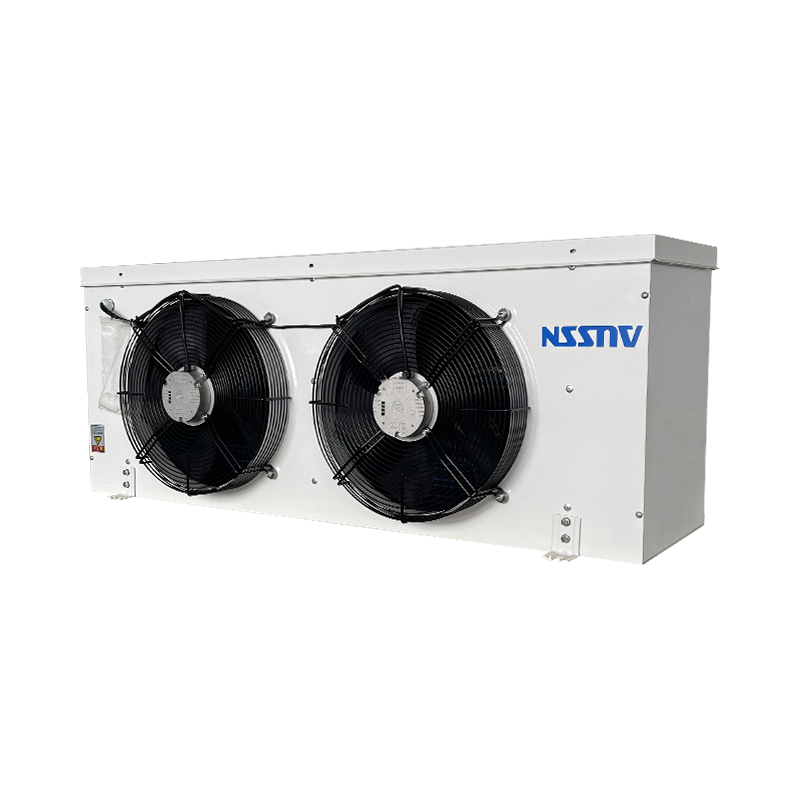
For rapid pull-down applications, a middle temperature rapid pull-down evaporator is often matched with a TXV sized for a wide transient load. The valve must keep the coil active during initial pull-down and then settle down as the room approaches the set point.
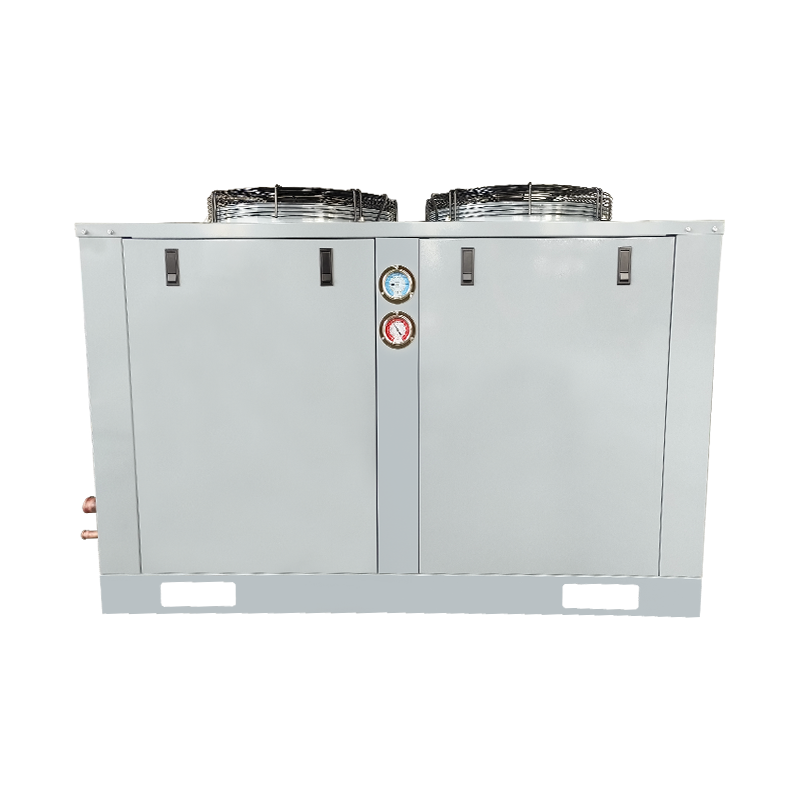
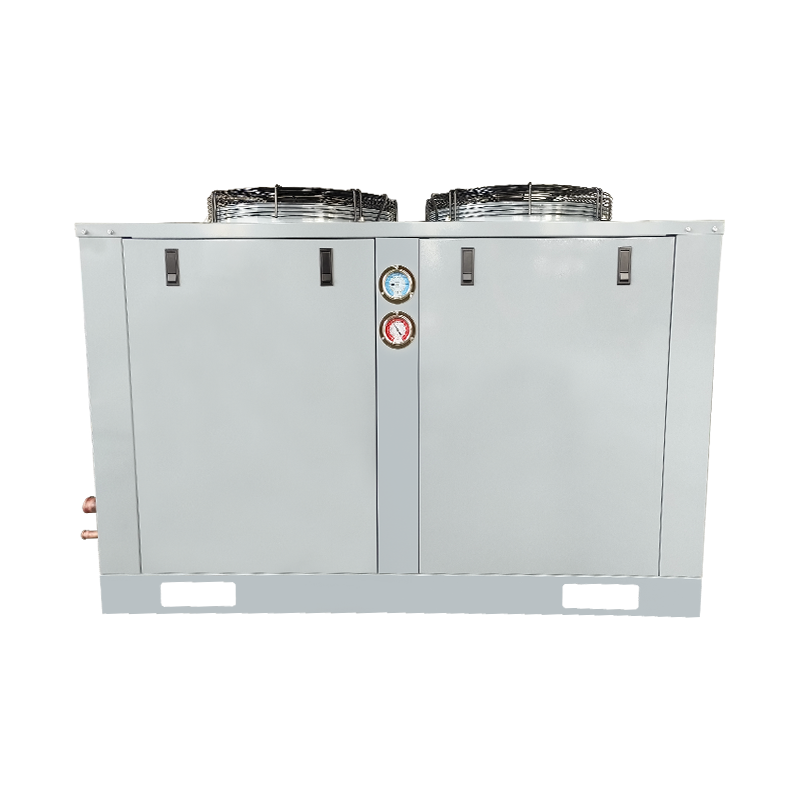
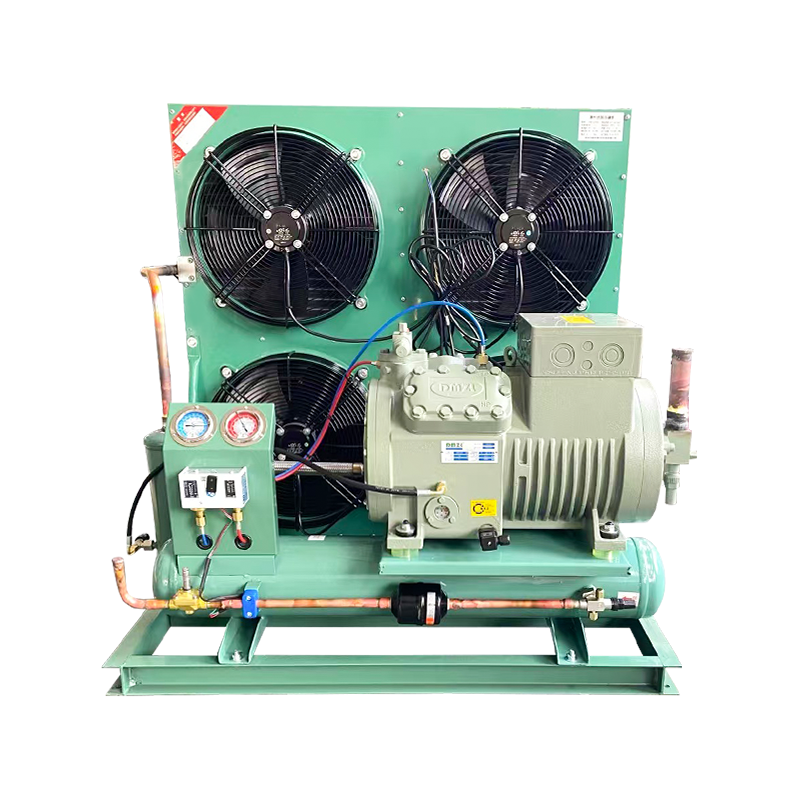
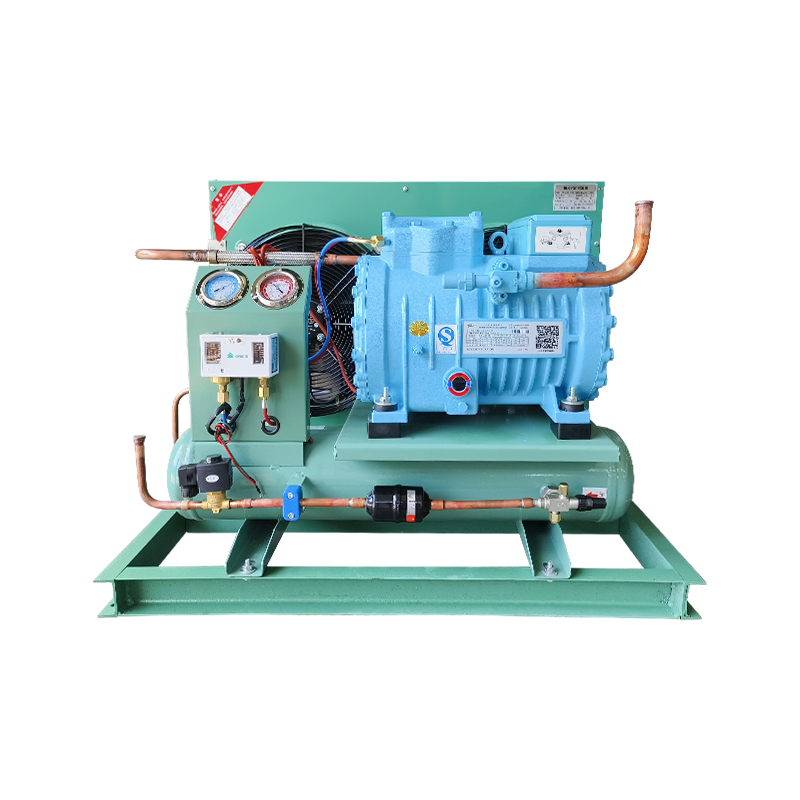
The upstream condensing unit also affects valve performance. A duty-matched medium-to-low temperature air-cooling condensing unit maintains a stable liquid pressure at the valve inlet. If the condensing unit is oversized or undersized, the valve sees fluctuating pressures and can never hold the correct superheat.
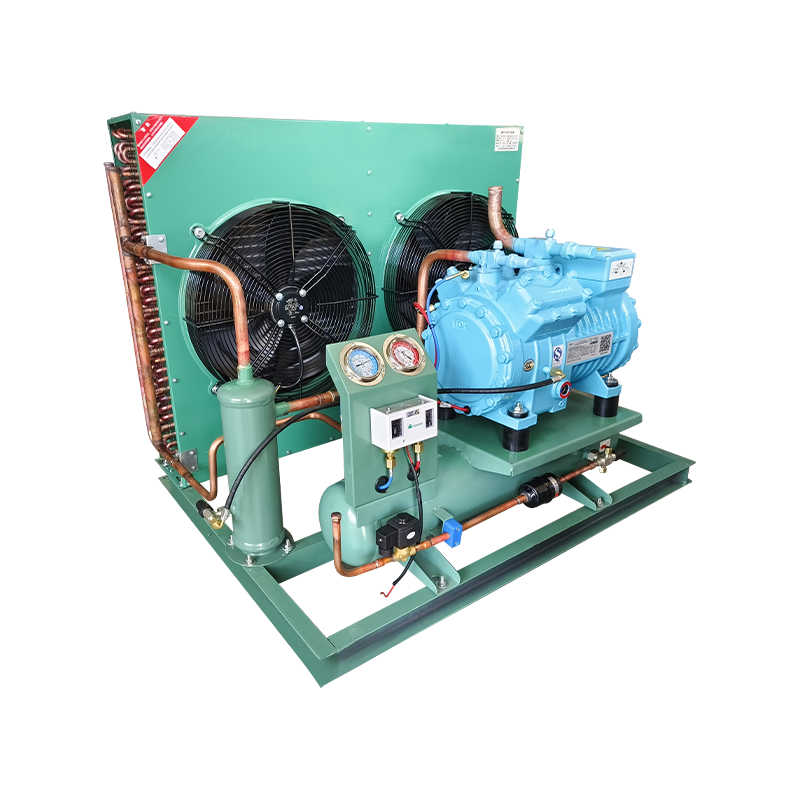 Medium to low temperature Air Cooling Condensing Unit Suppliers, Custom Company Aosheng supply Medium to low temperature Air Cooling Condensing Unit for sale, we are Custom Medium to low temperature Air Cooling Conden...View Product →
The thermal expansion valve is a small component with an outsized influence on a refrigeration system. It protects the compressor from floodback and the evaporator from starvation. Correct sizing, proper superheat adjustment, and a clean refrigerant circuit keep a TXV working for years. Whether you choose a conventional mechanical valve or an electronic alternative, the reward is stable room temperature, lower energy consumption, and fewer breakdowns.
When planning a cold room or commercial refrigeration project, evaluate the valve, evaporator, and condensing unit as one matched system. Consulting a manufacturer that designs and builds all three components helps you avoid the compatibility problems that lead to expensive service calls.
For exclusive deals and latest offers, sign up by entering your email address below.

We specialise in the refrigeration industry. Please feel free to contact us.
