


 English
 中文简体
中文简体 Español
Home / News / Industry News / A2L Refrigerants Have Higher Flammability Potential: Equipment Guidance
Industry News
A2L refrigerants have a flammability potential that is higher than A1 non-flammable refrigerants, and that single fact is changing how many commercial cold rooms are designed. When a project specifies a lower-GWP fluid such as R-32 or R-454B, the equipment choice and the installation layout need to account for a refrigerant that can burn under the right conditions. The practical conclusion is straightforward: A2L is not A3, but it is also not A1. With factory-built condensing units and evaporators, plus a few site-side safeguards, a cold room can run safely and efficiently.
Content
The ASHRAE 34 standard places refrigerants into safety classes based on toxicity and flammability. A2L fluids are low-toxicity and mildly flammable. Their flammability potential is higher than A1, but the burning velocity is limited to 10 cm/s or less. That is significantly lower than A3 refrigerants, which are flammable gases that can propagate a flame quickly.
| Safety class | Toxicity | Flammability | Burning velocity | Typical examples |
|---|---|---|---|---|
| A1 | Low | No flame propagation | Not applicable | R-134a, R-404A |
| A2L | Low | Mildly flammable | 10 cm/s or less | R-32, R-454B |
| A3 | Low | Flammable | More than 10 cm/s | R-290, R-600a |
The higher flammability potential of A2L compared with A1 means that ignition sources must be controlled in the refrigerant circuit and in the surrounding room. It also means that ventilation cannot be an afterthought. A small leak of an A2L fluid can create a combustible air mixture if the room is tightly sealed and there is no airflow to disperse the gas.
For a cold room builder or purchaser, the most visible impact of moving from A1 to A2L is that the condensing unit and evaporator need to be engineered as a system. Charge limits become part of the design, and the electrical components inside the unit are selected to avoid sparking in a refrigerant-containing environment.
These requirements are best handled at the factory. A well-designed air-cooled condensing unit will already have the correct panel layout, sealed electrical terminals and a tested refrigerant circuit. When you source equipment for an A2L project, it is worth verifying that the manufacturer has considered the higher flammability class in its standard build and not as an optional extra.
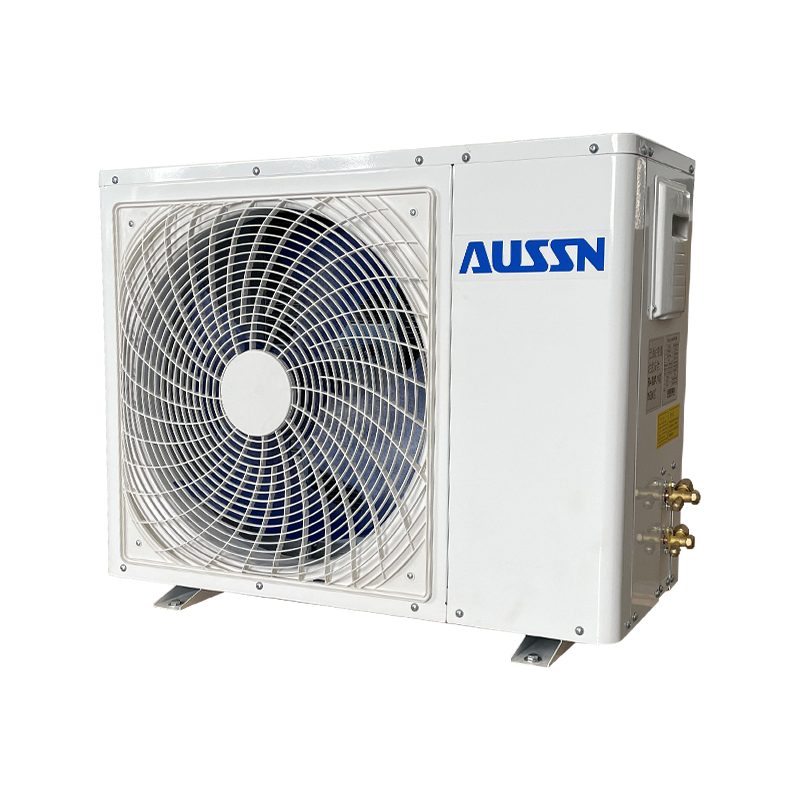
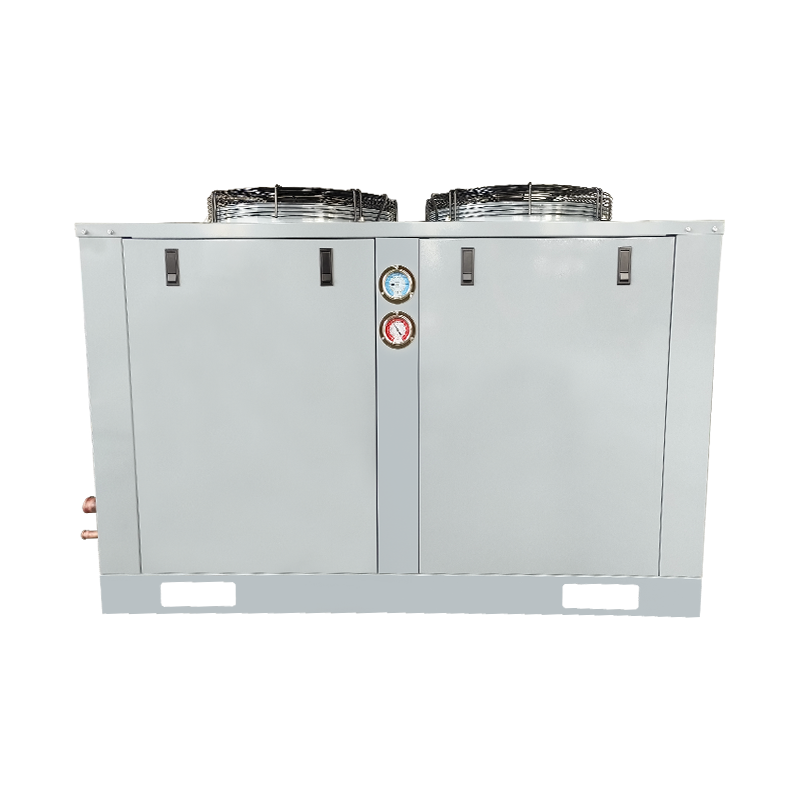
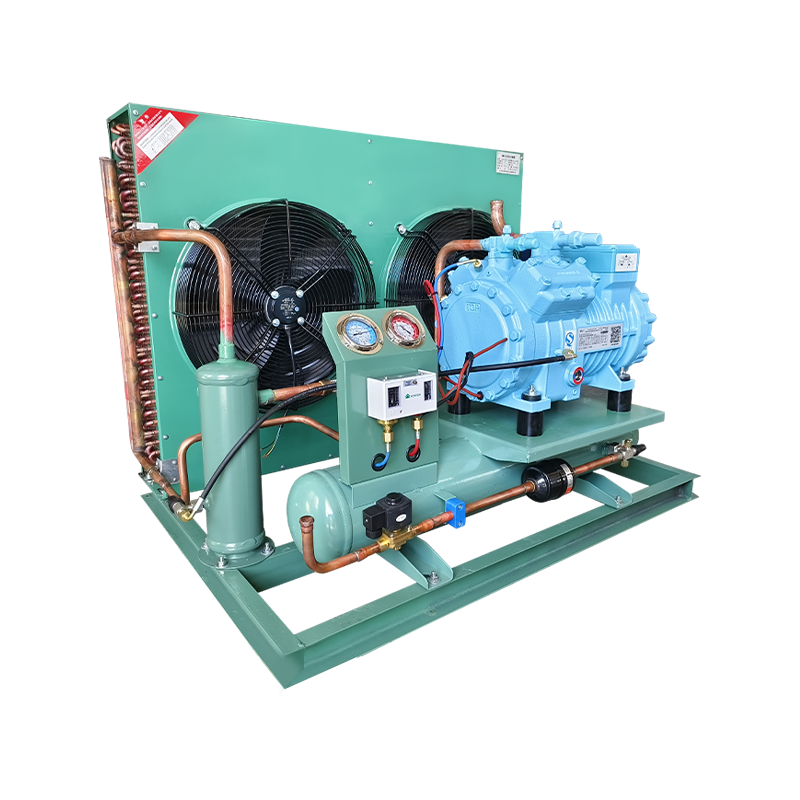 Air-Cooled Condensing Unit for Medium to High Temperature ApplicationsThis air-cooled condensing unit is suitable for cold rooms operating from 0°C to 15°C and beyond. Its design simplifies installation by eliminating water-cooling infrastructure, making it a practical choice for small and mid-sized facilities in water-scarce regions.View Product →
Selecting equipment for a commercial cold room usually involves trade-offs among footprint, noise, efficiency and upfront cost. Once A2L is in the specification, safety and serviceability become additional decision criteria. The good news is that manufacturers now offer a range of factory-built units that are suitable for mildly flammable refrigerants.
For medium- to high-temperature rooms, an air-cooled condensing unit is often the most straightforward choice. It is compact, easy to ventilate and simple to maintain. Water-cooled units are better suited to large cold rooms where heat rejection to ambient air is difficult and where the higher charge can be managed in a dedicated plant area. Variable-frequency hot-fluorine units can be attractive when a system runs at part load for long periods, because compressor modulation reduces on/off cycling, improves defrost behavior and keeps pressure changes inside the circuit more stable.
| Configuration | Best fit | Key advantage |
|---|---|---|
| Air-cooled | Medium- to high-temperature rooms | Compact, easy to install and ventilate |
| Water-cooled | Large cold rooms and plant rooms | Handles high heat rejection with lower ambient temperature impact |
| Variable-frequency hot-fluorine | Part-load operation and frequent defrost | Reduced cycling, more stable pressures, faster defrost |
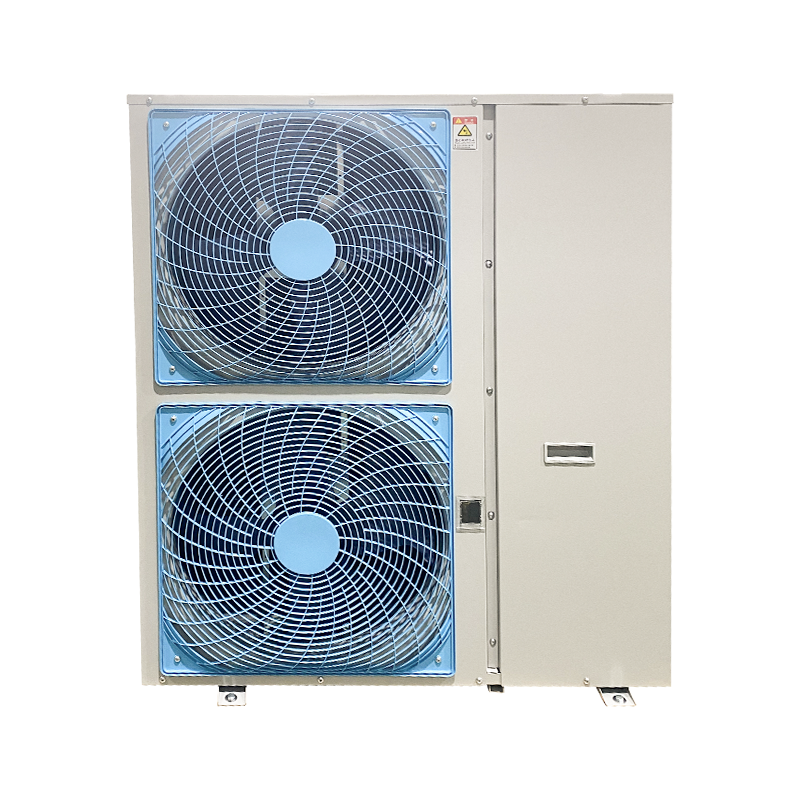
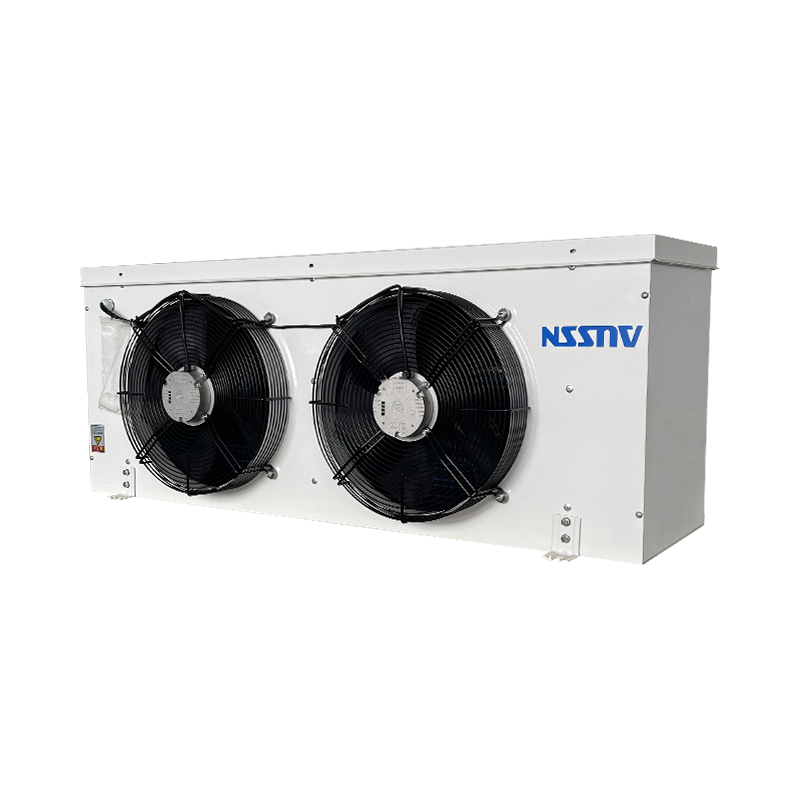 Variable-Frequency Hot Fluorine Defrost Unit with AI Temperature ControlThis variable-frequency hot fluorine defrost unit enables precise temperature control and energy efficiency, especially during part-load operation. It includes remote monitoring via 4G IoT, allowing users to track conditions and receive alerts without on-site personnel.View Product →
The evaporator is where the refrigerant actually absorbs heat, but it is also a potential leak source. In an A2L system, the evaporator's fin spacing, fan speed and defrost method determine how quickly any released refrigerant can be dispersed. A rapid pull-down evaporator can reach the set point faster, which is useful for cold rooms with frequent door openings or high product loading. However, the higher airflow that comes with rapid pull-down also affects how the room is ventilated.
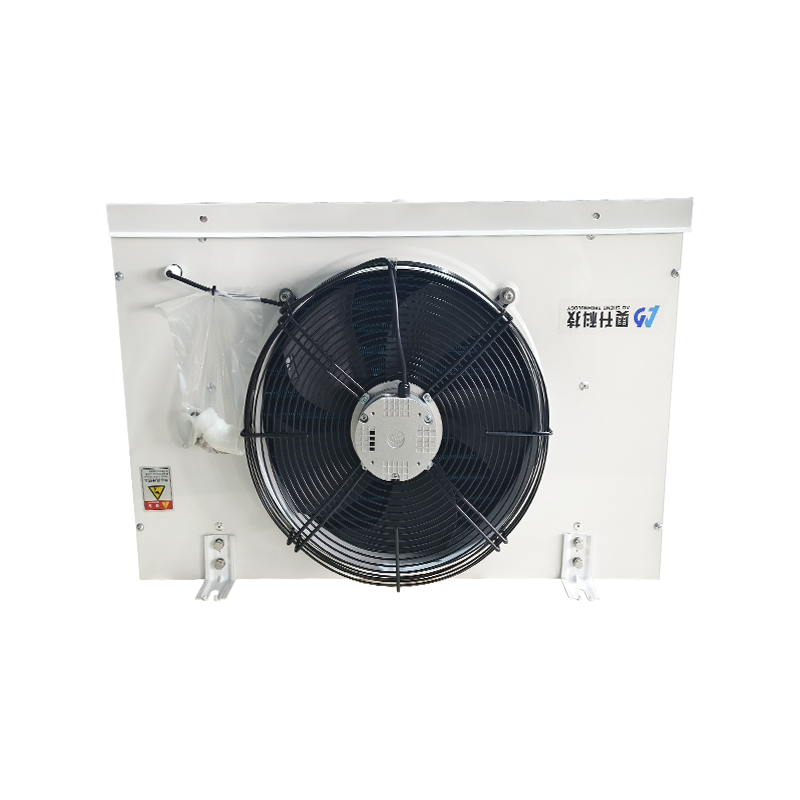
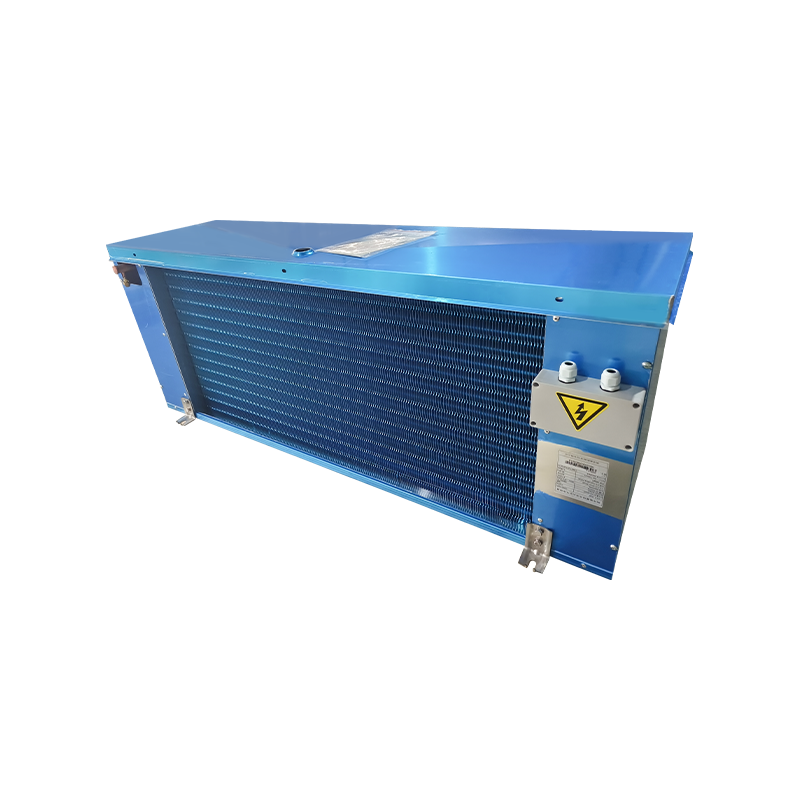 Rapid Pull-Down Evaporator for Medium to Low Temperature Cold RoomsThis evaporator provides fast cooling for applications between 0°C and -25°C, reducing pull-down times and minimizing product exposure to temperature danger zones. It features efficient fans and corrosion-resistant construction, suitable for high-moisture environments.View Product →
For a more detailed look at the variables that should drive an evaporator decision, the article on selecting the right cold room evaporator covers the practical factors that matter at the installation stage.
Any purchasing decision should include a basic risk review. Since A2L refrigerants have a flammability potential that is higher than A1, simply swapping a unit on paper is not enough. Here are the key items to raise with the supplier.
Buying a unit that is not designed for A2L can lead to costly rework, failed inspections or, in the worst case, a fire risk. Taking a few extra minutes at the ordering stage is usually cheaper than fixing a poorly matched installation later.
Even with appropriate factory-built equipment, field installation still matters. The following habits help a cold room operate safely over its full service life.
These measures are not complicated. They become even less complicated when the condensing unit and evaporator are supplied by a manufacturer that has already built in the necessary safety features. The higher flammability potential of A2L compared with A1 is a real difference that needs to be respected, but it is one that can be managed with a proper equipment selection process and a thoughtful installation plan.
For exclusive deals and latest offers, sign up by entering your email address below.

We specialise in the refrigeration industry. Please feel free to contact us.
