


 English
 中文简体
中文简体 Español
Home / News / Industry News / EC Motors in Refrigeration: A Complete Efficiency, Selection, and Buying Guide
Industry News
Walk into a typical cold storage room at night and you will still hear the condensing unit fan running at the same speed as it did on a hot summer afternoon. That fixed-speed operation may be acceptable in terms of capacity, but it is a poor way to manage running costs. Electronically commutated, or EC, motors solve this by giving the fan a speed range that follows actual refrigeration demand. For facility owners and equipment specifiers, understanding how EC motors work and where they matter in commercial refrigeration can be the difference between overspending on power for years and installing a system that earns back its efficiency quickly.
Content
An EC motor is a brushless DC motor with the control electronics integrated into the motor assembly. The electronics convert the incoming AC supply to DC, then switch the stator windings electronically to make the rotor spin. Because the controller is part of the motor, it can adjust speed without an external variable frequency drive. You can use a temperature, pressure, or 0-10 V signal to command the motor directly.
Compared with traditional AC motors used in refrigeration fans, EC motors have a wider speed range, higher efficiency, and no brushes to inspect or replace. They also generate less heat at the motor housing, which matters in an evaporator because heat generated by the motor must be removed by the refrigeration system.
Refrigeration systems run for thousands of hours a year, and fans are the most continuously used component. In a typical condensing unit, the fan draws perhaps 10-15 percent of the electrical consumption, but it runs whenever the compressor runs. At part load, an EC motor can reduce fan power draw by 40-60 percent compared with an AC fan motor because it slows down instead of cycling on and off or running at full speed.
There is also a thermal benefit. The less heat a fan motor puts into the air stream, the more cooling capacity the system has left for the product. This is especially valuable in low-temperature rooms, where every watt of motor heat requires the compressor to run longer. The table below summarizes the differences.
| Motor type | Typical full-load efficiency | Speed control | Typical motor heat output |
|---|---|---|---|
| Shaded-pole | 25-35% | None | High |
| PSC | 50-65% | Restricted | Medium |
| EC | 75-90% | Wide, continuous | Low |
Because evaporator fan heat directly raises the room temperature, choosing a low-temperature evaporator with efficient motors has a double benefit. A well-designed evaporator should move the required airflow at a lower fan power level, and an EC motor is the most practical way to achieve that.
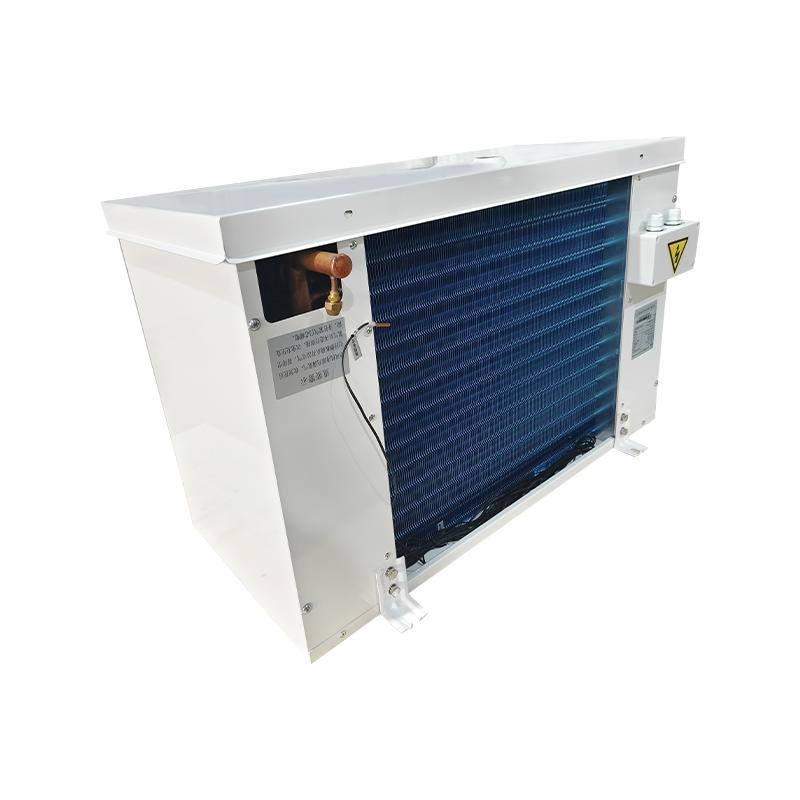 High Efficiency Low Temperature Evaporator for -18 to -35°C Cold RoomsThis evaporator combines an optimized aluminum fin and copper tube coil with low-wattage, high-output fans, reducing fan heat and energy use while maintaining deep-freeze performance. It suits demanding freezing and storage applications where efficient airflow matters.View Product →
The same logic applies to the condensing side. When the outdoor temperature drops, an EC motor slows the fan to avoid excessive pressures and noise. When it is hot, the motor ramps up to maintain condensing performance. This natural modulation is what makes EC motors valuable in refrigeration instead of a simple one-speed replacement.
Not every EC motor behaves the same. When you compare motors, these points should be on your checklist.
Another important step is to look at the whole fan assembly. An EC motor paired with a poorly designed fan blade can perform worse than a good AC motor with the right blade. Ask the supplier for the system performance curve, not just the motor curve, and pay attention to the working range the motor will see in your application.
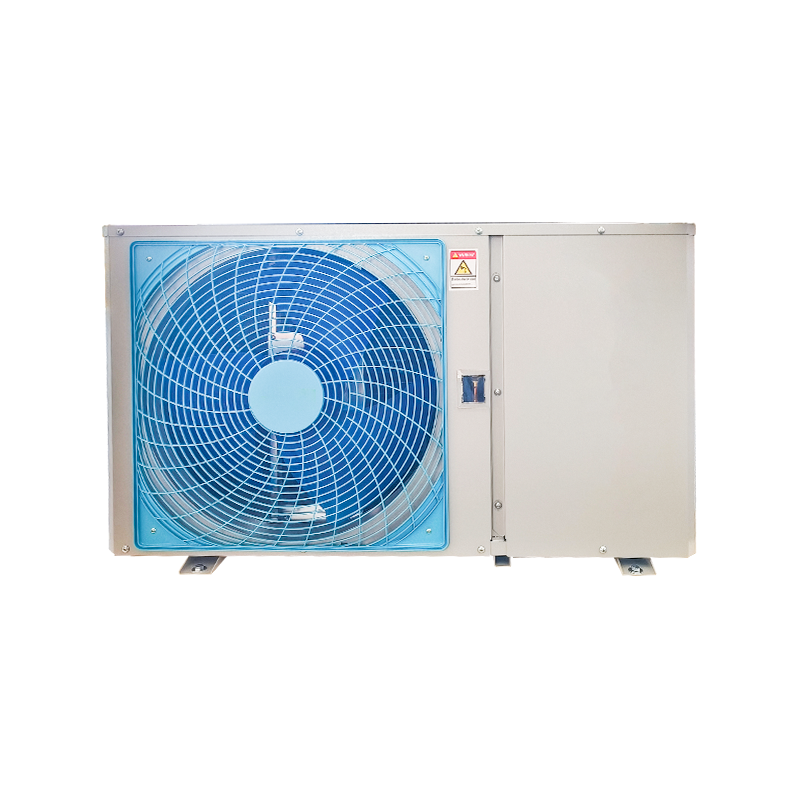
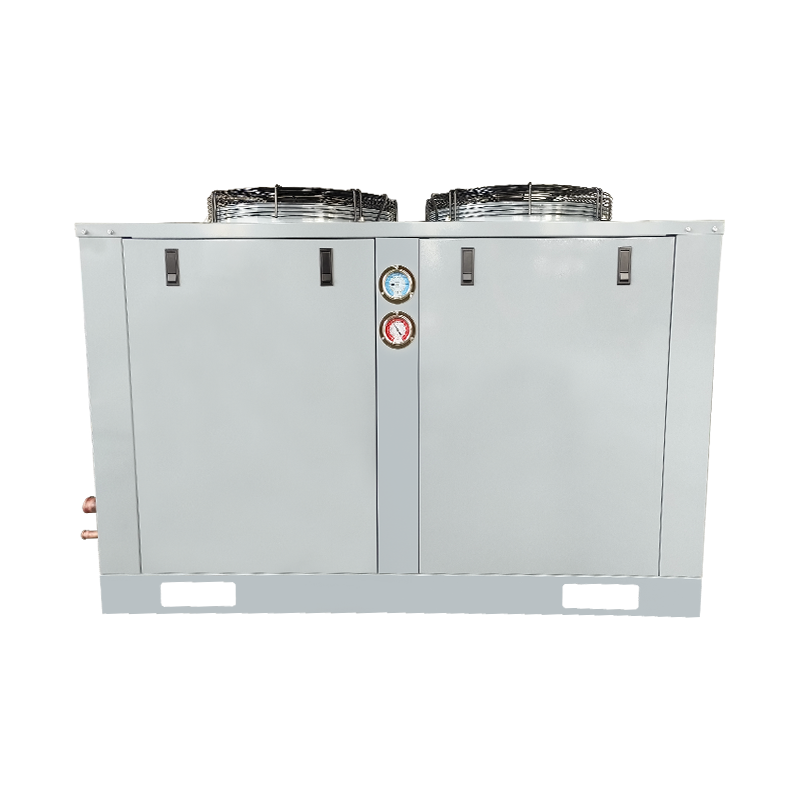
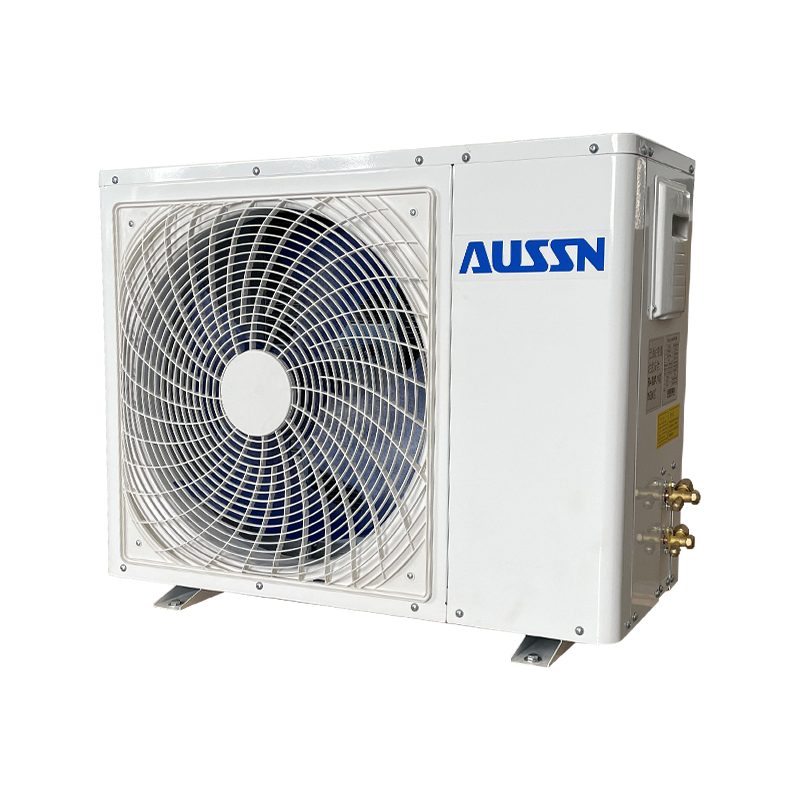
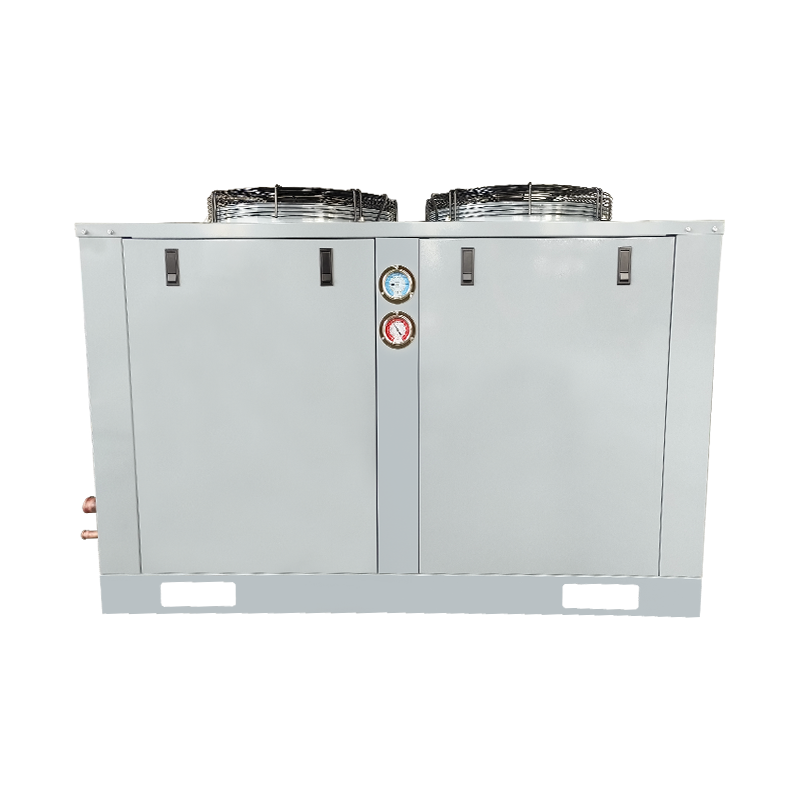
EC fans are no longer limited to stand-alone fan kits. They are built into condensing units during manufacturing, and they are the reason why modern units become quieter at night. A good implementation uses a pressure or temperature signal from the refrigeration circuit to adjust fan speed, so the unit stays inside its rated design envelope while saving energy. For example, compact side-outlet condensing unit designs use this kind of integrated speed control to keep the footprint small and reduce noise near operating areas.
Evaporators also benefit. An EC fan in a medium-temperature room can respond to the pull-down phase with higher airflow, then reduce airflow once the setpoint is reached. This not only saves energy but also reduces produce surface dehydration. In low-temperature rooms, the lower motor heat described earlier prevents unnecessary defrost cycles.
Monoblock units are another practical application. A top-mounted monoblock contains the condensing unit and evaporator in one package, and the fan set is factory-balanced. For contractors building small cold rooms, this avoids separate installation and refrigerant piping.
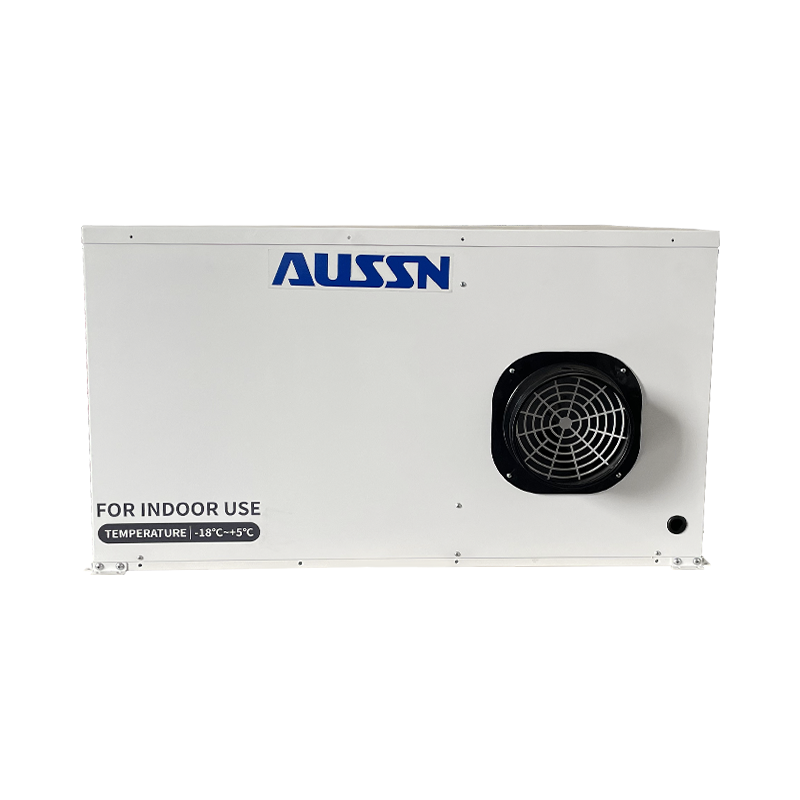 Top Mounted Monoblock Refrigeration Unit for Compact Cold RoomsAn all-in-one top-mounted unit with stacked installation flexibility, combining compressor, condenser, evaporator, and controls. It minimizes refrigerant piping and on-site labor, making it a practical solution for small cold rooms while allowing coordinated fan control.View Product →
If you are evaluating a packaged unit, ask whether the EC fans are controlled by the same logic that drives the compressor. That coordination has a direct effect on how much energy the final system uses.
A condensing unit with an EC fan motor can still waste energy if the control logic is not set up correctly. The fan should not be left running at full speed whenever the compressor runs. Instead, it should respond to the condensing temperature or pressure, slowing down when possible. The same principle applies to variable-frequency compressors: variable-frequency hot-fluorine technology combines better with EC fans because both devices can modulate to match the actual load.
Before signing off on a quotation, check these details.
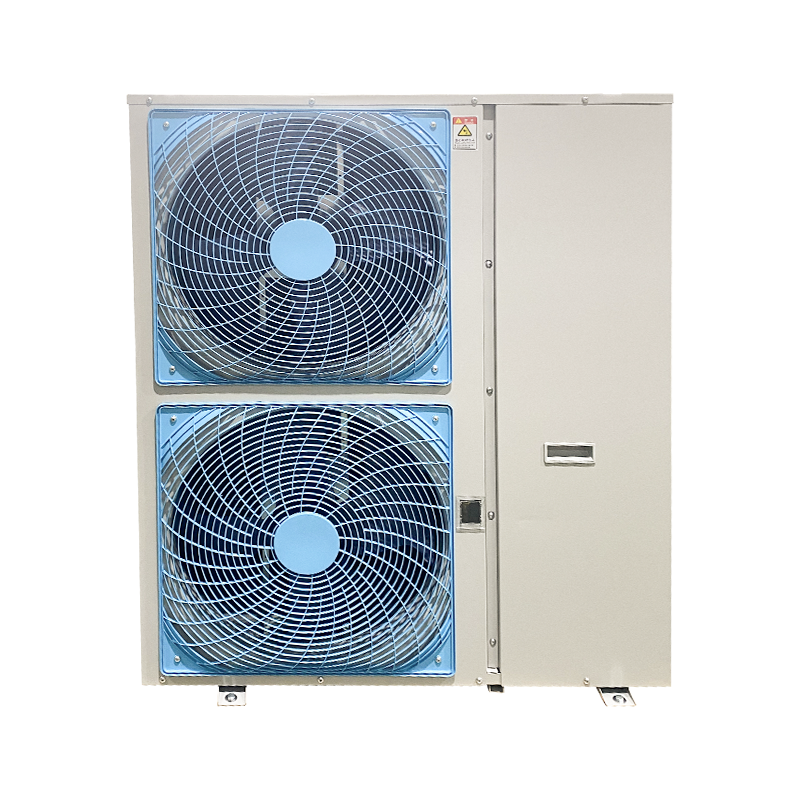
For a fully integrated solution, an AI variable-frequency temperature-control hot-fluorine unit is a reasonable choice because the controller matches compressor capacity, fan speed, and hot-fluorine timing in one sequence. This avoids the compatibility issues that can appear when mixing components from different suppliers.
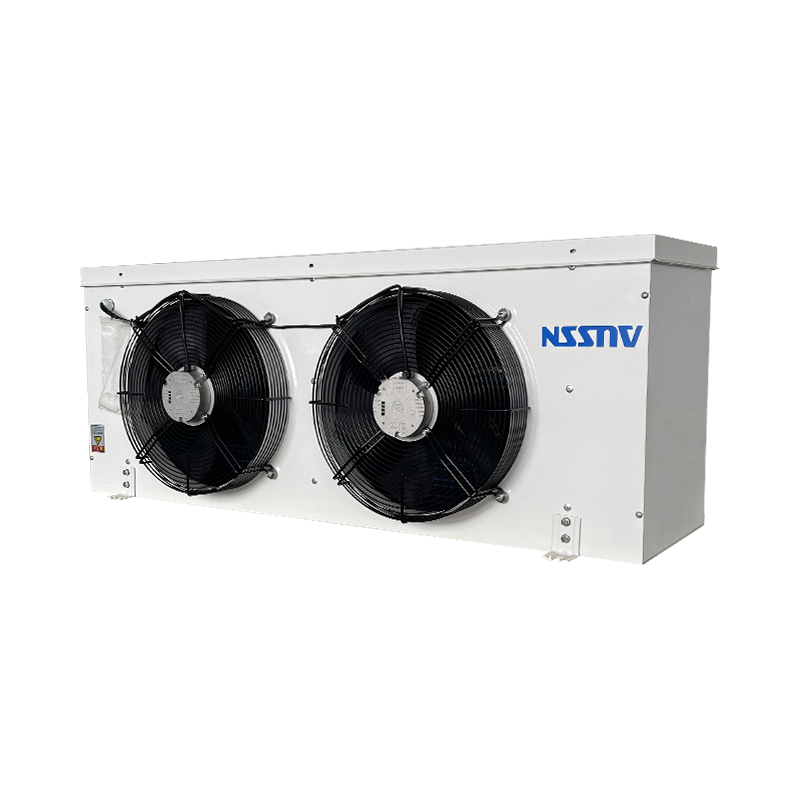 AI Variable-Frequency Hot Fluorine Unit with Remote MonitoringThis unit uses AI variable-frequency temperature control to match compressor capacity, fan speed, and hot-fluorine timing in one sequence. It includes a self-developed 4G IoT remote monitoring system for real-time alerts, reducing energy waste and preventing fault losses.View Product →
EC motors are electronic devices, not just motors. The installer should check the local supply voltage before energizing, especially on three-phase systems where a phase loss or a bad neutral can damage the drive. For outdoor units, make sure the junction box and connectors are rated for the site conditions. A simple surge protector is a low-cost way to protect the motor controller from lightning-induced spikes.
Maintenance is lighter than with brushed motors because there are no brushes to replace. Still, cleaning is important. Dust on the fan blades changes the balance and airflow, so the motor controller may have to compensate with extra speed. Dirty heat sinks can also shorten the life of the drive electronics. Most EC motors in refrigeration will run for years if the fan blade is clean and the connectors remain dry.
EC motors have moved from a specialty upgrade to a standard component in well-designed refrigeration equipment. They cut fan energy, reduce heat gain, quiet down nighttime operation, and give the system a way to adapt to real conditions. When you select a condensing unit, evaporator, or monoblock, make the EC motor specification part of the performance envelope. Ask how the motor is controlled, how it is protected, and what support the manufacturer provides. In a commercial cold storage project, those details are where the true life-cycle savings are found.
For exclusive deals and latest offers, sign up by entering your email address below.

We specialise in the refrigeration industry. Please feel free to contact us.
