


 English
 中文简体
中文简体 Español
Home / News / Industry News / How Does AI Variable-Frequency Hot Fluorine Technology Solve the Biggest Pain Points in Cold Storage Management?
Industry News
Content
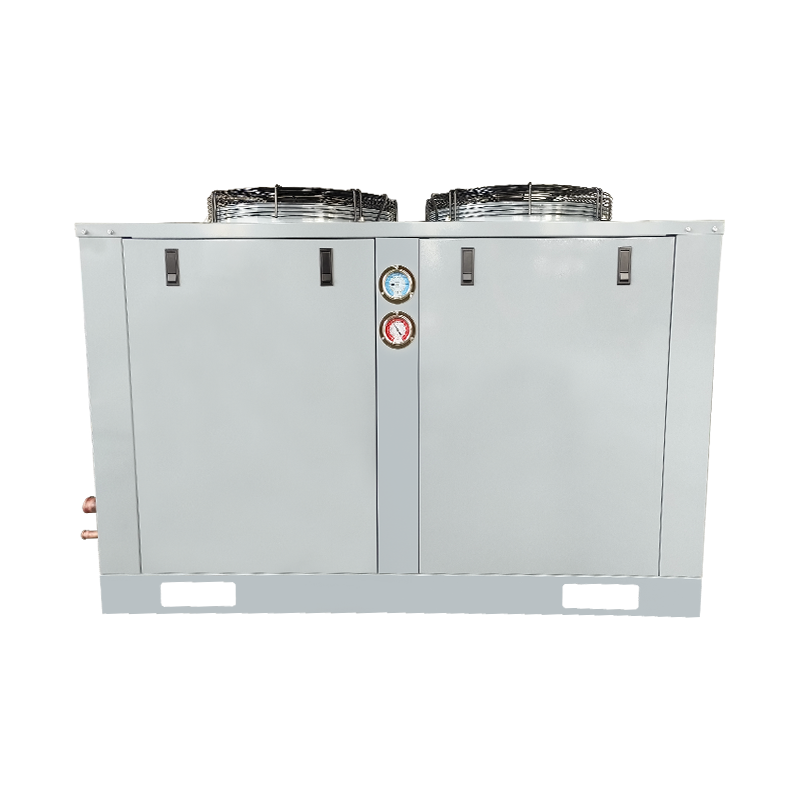
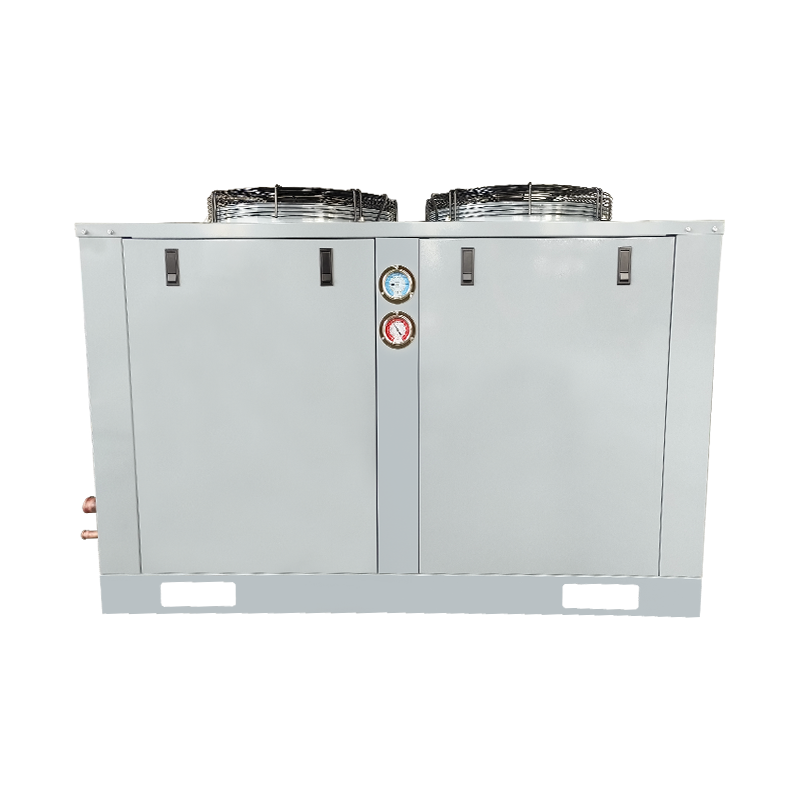
Cold storage has long been a cornerstone of industries ranging from food processing and pharmaceuticals to logistics and agriculture. Yet traditional refrigeration systems have struggled with a persistent set of problems: inconsistent temperatures, excessive energy consumption, and the near-impossibility of real-time remote management. The emergence of AI variable-frequency temperature control technology — specifically in the form of variable-frequency hot fluorine units — is fundamentally changing how operators design, monitor, and manage cold storage environments.
Unlike conventional fixed-speed compressor systems that operate at full power regardless of actual cooling demand, AI variable-frequency units use intelligent algorithms to continuously analyze the internal environment and dynamically adjust compressor speed and refrigerant flow. The result is a system that delivers precisely the right amount of cooling power at any given moment — no more, no less. This precision is not just a technological novelty; it translates directly into measurable reductions in energy bills, longer equipment lifespan, and dramatically more stable storage conditions.
At the heart of the variable-frequency hot fluorine unit is a thermodynamic defrosting mechanism that replaces the traditional electric heating defrost cycle. In conventional systems, electric heaters are activated periodically to melt accumulated frost on the evaporator coil — a process that wastes substantial energy and temporarily destabilizes storage temperatures. Hot fluorine defrosting, by contrast, redirects warm refrigerant gas (hot fluorine) directly through the evaporator to melt frost efficiently without any external heating element.
This approach yields several compounding advantages. The defrost cycle is faster and more controlled, the temperature fluctuation inside the storage room is minimal, and the compressor does not need to work overtime to recover lost cooling after a defrost event. Combined with variable-frequency drive technology, which allows the compressor to operate across a wide speed range rather than simply "on" or "off," the system achieves a level of thermal stability that fixed-speed systems simply cannot match.
One of the most significant competitive advantages of AI variable-frequency hot fluorine units is their adaptability across entirely different cold storage scenarios. Whether the application involves a large-scale frozen food warehouse operating at -25°C, a pharmaceutical cold room maintaining a strict 2°C to 8°C band, a fresh produce storage facility requiring high humidity and moderate cooling, or a small commercial cold room for a restaurant, the AI control system recalibrates its operating logic to suit the specific thermal load, ambient conditions, and product requirements of that environment.
Traditional systems require manual parameter adjustments and often cannot respond fast enough to sudden changes in load — for example, when large quantities of warm product are loaded into a cold room, or when ambient outdoor temperatures spike in summer. AI variable-frequency control anticipates and compensates for these load changes in real time, maintaining setpoint temperatures within a very tight tolerance band. This level of consistency is critical for compliance with food safety regulations, pharmaceutical storage standards, and quality assurance protocols.
| Feature | Traditional Fixed-Speed System | AI Variable-Frequency Hot Fluorine Unit |
| Compressor Operation | On/Off cycling at full power | Continuous modulation 20–100% |
| Defrost Method | Electric heating elements | Hot fluorine gas circulation |
| Temperature Stability | ±2°C to ±5°C fluctuation | ±0.5°C or better |
| Energy Consumption | High — constant full-load draw | Up to 40% lower on average |
| Remote Monitoring | Manual on-site checks | Full 4G IoT mobile access |
| Fault Response | Discovered on next site visit | Automatic real-time alert |
One of the most practical benefits for end users is the ability to fully customize operating parameters based on actual storage needs. Because every cold storage application has different product types, throughput volumes, access frequencies, and ambient conditions, a one-size-fits-all control strategy inevitably leads to waste. AI variable-frequency hot fluorine units allow operators to define specific temperature setpoints, defrost schedules, compressor speed limits, and energy-saving modes that match their exact operational requirements.
For example, a facility that only loads product during daytime hours can program the unit to run at higher capacity during loading periods and throttle back significantly during overnight hours when the door remains closed and internal temperatures are stable. Similarly, seasonal adjustments can be pre-programmed to account for winter versus summer ambient temperature differences, ensuring the system never draws more power than the current conditions genuinely require. This level of user control directly eliminates the hidden electricity waste that plagues facilities running fixed-schedule, fixed-speed equipment.
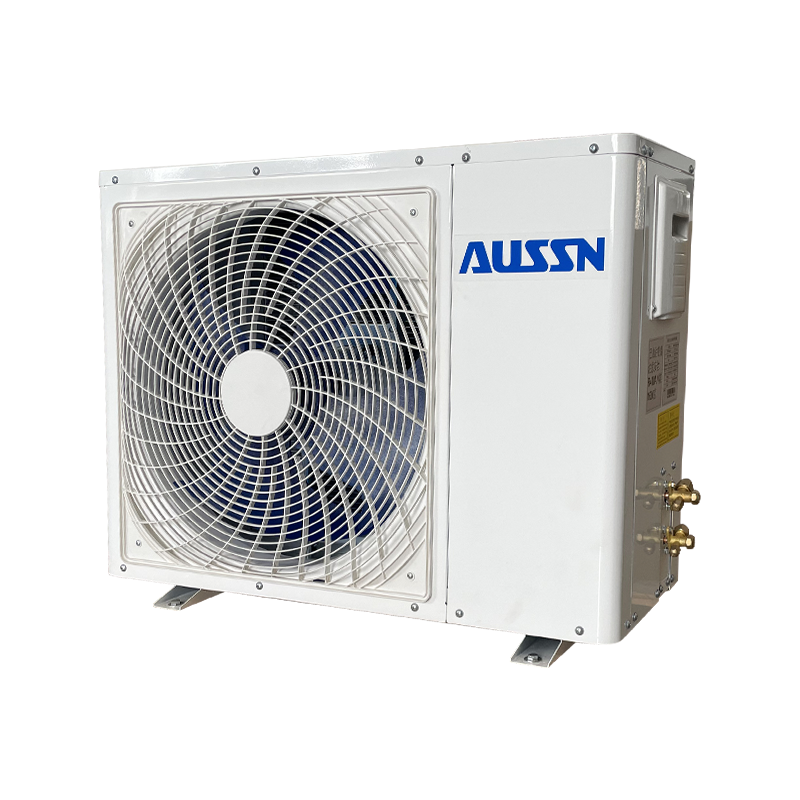
Every model in the variable-frequency hot fluorine unit lineup is equipped with a self-developed 4G Internet of Things (IoT) remote monitoring system. This is not a third-party add-on or an optional upgrade — it is a built-in, standard feature on all units. Through a dedicated mobile application, operators can access a complete real-time view of their cold storage operation from any location, at any time, using nothing more than a smartphone with a mobile data connection.
The monitoring dashboard displays live storage temperature readings, compressor operating status, defrost cycle activity, power consumption data, and historical temperature logs. If any monitored parameter deviates from the configured normal range — whether due to a compressor fault, a door seal failure, a sudden power interruption, or an unexplained temperature spike — the system automatically triggers an alert notification sent directly to the operator's phone. This allows immediate remote diagnosis and, in many cases, remote corrective action before any product damage occurs.
The cold storage industry has historically been burdened by two interrelated pain points that are difficult and expensive to resolve: the inability to detect and respond to faults quickly, and the resulting product losses that accumulate before anyone even realizes something has gone wrong. Many operators, particularly those managing storage facilities remotely or across multiple sites, have simply accepted these losses as an unavoidable cost of doing business.
The AI variable-frequency hot fluorine unit directly addresses both problems. By continuously monitoring every critical operating parameter and instantly alerting operators to deviations, the system eliminates the scenario where a compressor failure goes unnoticed for hours or days. By enabling remote assessment and, in many cases, remote adjustment of operating parameters, it also eliminates the costly and time-consuming need to dispatch a technician for every minor issue. Operators no longer face the grim discovery of a room full of spoiled goods because a sensor alarm went unheard in an unstaffed facility. The monitoring system watches constantly, and the automated alert infrastructure ensures that the right person is notified within seconds of any anomaly.
Beyond fault response, the self-developed 4G IoT platform also builds a valuable operational data history. Over time, this data reveals usage patterns, identifies recurring issues before they escalate into failures, and provides documentation that is increasingly required by food safety regulators, pharmaceutical auditors, and export compliance bodies. This transforms the monitoring system from a purely reactive tool into a proactive management asset that continuously adds value long after the initial installation.
While the technology delivers measurable benefits across virtually all cold storage applications, certain user profiles stand to gain the most significant operational and financial improvements by switching to AI variable-frequency hot fluorine systems.
Evaluating any capital equipment purchase purely on upfront cost misses the larger financial picture. AI variable-frequency hot fluorine units deliver value across multiple dimensions that compound over the life of the equipment. Energy savings alone — commonly estimated at 30% to 40% compared to conventional fixed-speed systems — can offset a meaningful portion of the purchase price within the first few years of operation, depending on electricity tariffs and operational intensity. The elimination of electric heating elements from the defrost cycle removes a significant recurring energy draw and also extends the service life of the evaporator coil by reducing thermal stress.
Equipment reliability improves because variable-frequency compressors, by definition, spend less time at full-load stress and eliminate the mechanical shock of constant hard starts and stops. The AI control system also functions as an early warning diagnostic tool, flagging performance anomalies — such as gradually declining compressor efficiency or refrigerant pressure deviations — before they progress to outright failures. This predictive capability translates directly into fewer emergency service calls, more planned maintenance interventions, and longer overall equipment life.
For operators who have experienced the financial and reputational damage of a cold storage failure — lost product, missed delivery commitments, regulatory penalties — the ability to monitor and respond to potential issues remotely represents a qualitative shift in how cold storage risk is managed. The question is no longer whether a fault will eventually occur, but whether the operation is equipped to detect and address it before damage occurs. AI variable-frequency hot fluorine technology, backed by integrated 4G IoT monitoring, ensures the answer is always yes.
For exclusive deals and latest offers, sign up by entering your email address below.

We specialise in the refrigeration industry. Please feel free to contact us.
