


 English
 中文简体
 Español
Home / News / Industry News / Differential Pressure Control Valves: A Practical Guide for Cold Rooms
Industry News
In a commercial cold room, it is easy to focus on the compressor, the evaporator, or the controller. Yet many operating problems begin in the fluid circuit between them. A differential pressure control valve is one of those quiet components that either keeps the circuit calm or makes every other control decision harder. At AUSSN, we build condensing units for cold rooms and commercial refrigeration, so we look at the whole system rather than one box on a drawing. This guide covers differential pressure control valves: what they do, where they fit, and what to check before you add or adjust one.
Content
A differential pressure control valve, often shortened to DPCV, holds a constant pressure difference between two points in a fluid circuit. It does that even when pump head or system demand changes. In a cooling application, the valve senses pressure on both sides of a circuit and adjusts its opening to protect the set differential. It is not a thermostat, and it is not a replacement for a thermal expansion valve or electronic expansion valve. Those devices control refrigerant flow into the evaporator. A DPCV controls a pressure relationship in a water, glycol, or other fluid loop.
Two broad styles appear in cooling work. A relief-style valve opens a bypass when the differential rises too high. A pressure-reducing style throttles flow to hold the downstream differential. Some valves are direct-acting, using a diaphragm or piston and spring. Others use a pilot signal for more precise control over a wider flow range. The right choice depends on the circuit, the pump curve, and the failure mode you want to avoid.
In commercial refrigeration, stable differential pressure gives the rest of the system a fair chance to work. When the differential swings, control valves lose authority, branch flows become uneven, and the plant may run the pump harder than necessary. A water-cooled condenser loop can suffer from low flow or high pressure differential at part load. A central glycol loop may send too much flow to one coil and too little to another. A DPCV cannot fix a bad design, but it can keep the operating point from wandering.
The effect on compressors is indirect but real. In a water-cooled condensing unit, unstable condenser water flow can lead to condensing pressure swings, high-pressure trips, or unnecessary pump cycling. On the evaporator side, a stable branch differential helps a coil and its control valve stay within range during pull-down or low load. Good pressure control also reduces valve noise and hunting, which are often the first clues that a loop is not balanced.
A DPCV is not a universal accessory. Many packaged air-cooled condensing units do not need one on the refrigerant side; their capacity control and expansion device handle the job. You are more likely to see a DPCV on the water side of a water-cooled condenser, a central chilled water or glycol loop, a pump bypass, or a branch that serves several coils. The table below shows typical locations and the practical questions that go with them.
| Application point | What the valve helps control | Practical design note |
|---|---|---|
| Water-cooled condenser loop | Keeps differential across condenser and control valve within range | Check water flow, strainer, and heat rejection at part load |
| Central chilled water or glycol loop | Holds stable differential for branch circuits | Set after balancing; check pump curve and minimum flow |
| Evaporator or coil branch | Limits excess differential across coil and control valve | Verify branch flow and valve authority |
| Pump bypass or relief path | Bypasses excess flow when demand falls | Size for pump minimum flow; check noise at low load |
Use this as a starting point, not a selection chart. The setpoint, flow coefficient, and valve style must come from the system design and actual part-load conditions.
Several symptoms point to a pressure control problem, but none are conclusive on their own. A valve that is oversized, dirty, or set too tight can hunt, whistle, or produce wide temperature swings. A pump that stays at high speed when most coils are closed may be fighting a differential setpoint that is too high. Branches that are starved at one end and flooded at the other often need balancing before anyone touches the valve. Repeated diaphragm or actuator failures usually mean debris, water hammer, or a setpoint outside the valve's range. Check strainers, air, gauge calibration, and sensor placement first.
Start with design flow and design differential pressure, then check what happens at minimum load. Do not size a DPCV by pipe size alone. Confirm the flow coefficient, adjustable range, maximum differential, and fluid compatibility. Decide whether a relief path or a pressure-reducing valve matches the circuit's safe failure mode. Leave room for gauges and a strainer, and make sure the installation orientation is allowed. On a central loop, set the valve after hydronic balancing, not before. On a small branch, verify the actual differential across the coil and its control valve; a gauge reading taken in the wrong place can send you in the wrong direction. If the project also includes evaporator selection, our guide to cold room evaporator selection is a useful companion.
As a condensing unit manufacturer, we do not treat the valve as an isolated item. A variable-frequency hot fluorine unit changes capacity as the load moves. That changes pressure relationships in the rest of the plant, so the water or glycol side must be set for part-load operation, not just design day. The same logic applies to a medium-to-low temperature air-cooling condensing unit: the unit may be air-cooled and need no water-side DPCV, but the evaporator, expansion device, and defrost cycle still depend on stable operating pressures. We look at the condensing unit, evaporator, and controls as one system because that is how they behave in the field.
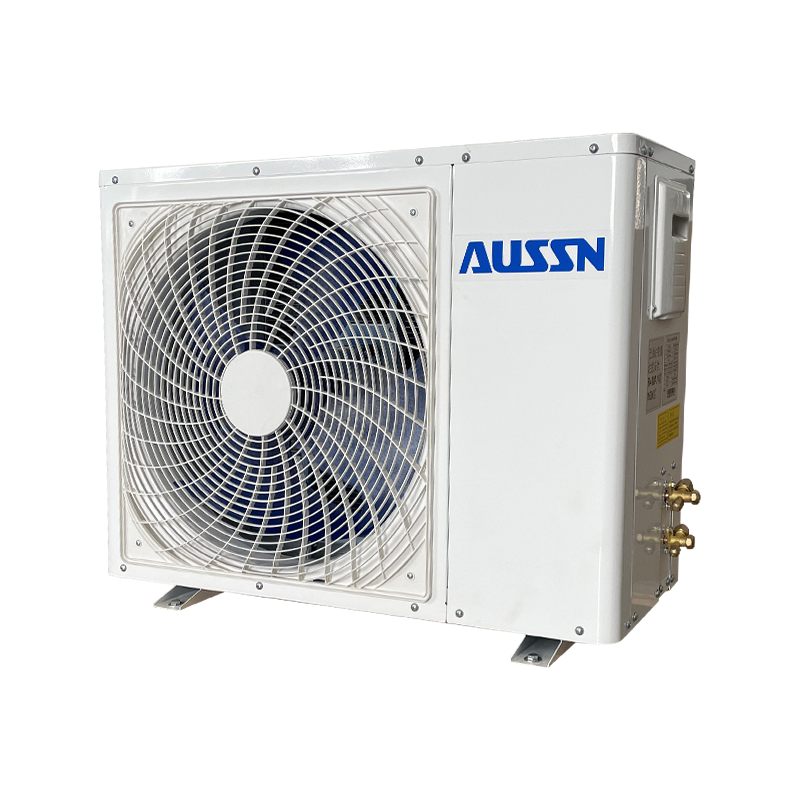 Variable-Frequency Hot Fluorine Unit for Hot-Gas DefrostA VFD-controlled hot-gas defrost unit for cold storage and food processing, supporting precise temperature control and part-load operation across 5–200+ tons.View Product →
We also see this in cold room retrofits. A new condensing unit can make an old loop look worse if branch flows were never balanced. Before adding a DPCV, confirm that the pump curve, pipe sizing, and coil selection still match the new duty. If they do not, a valve may only move the problem to another part of the circuit. That is why we prefer to review the full load profile with the installer, including pull-down, holding, and defrost.
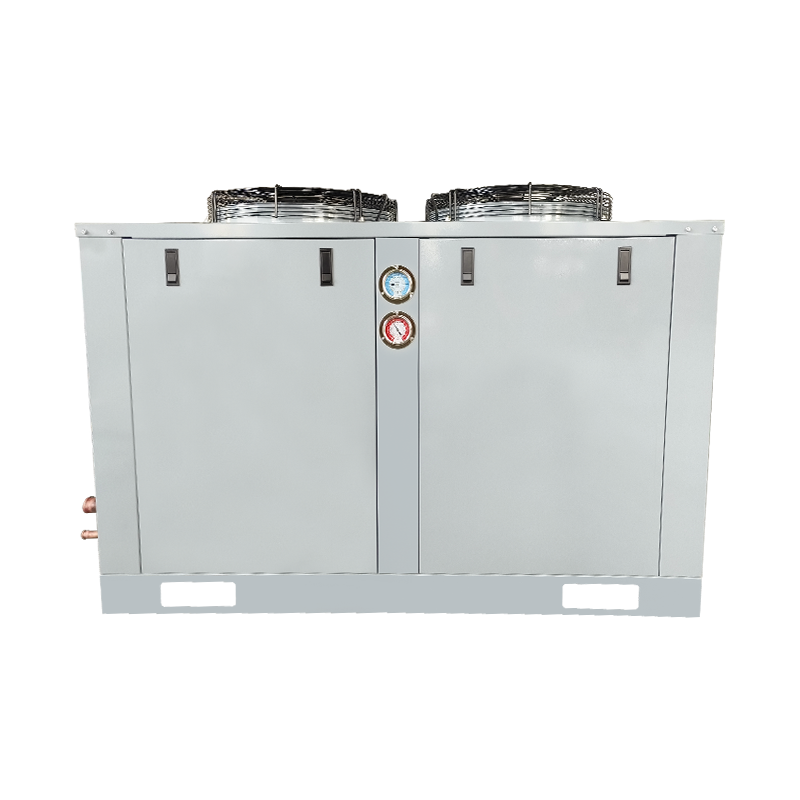
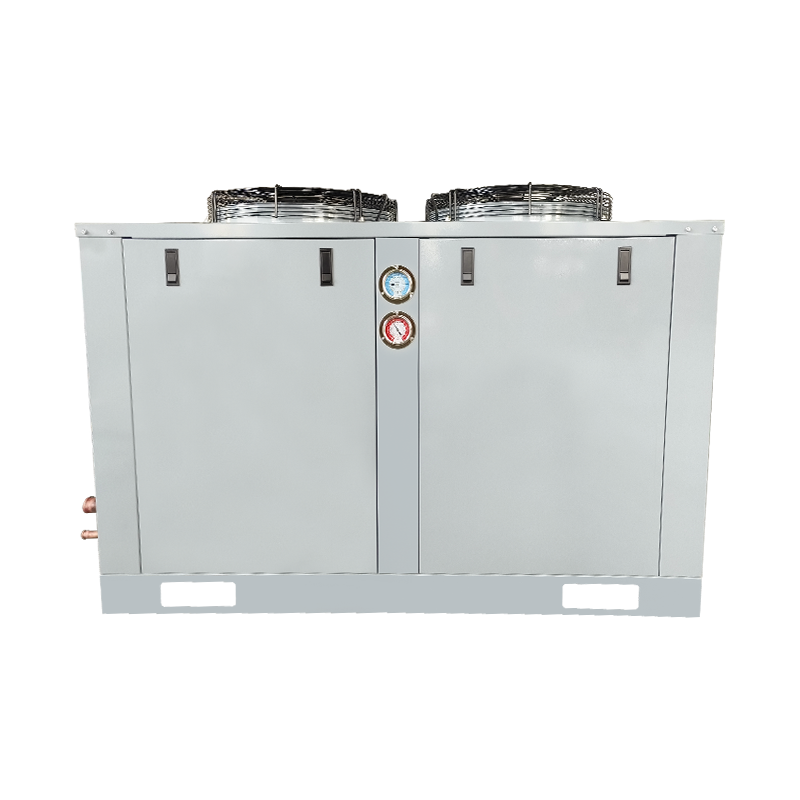
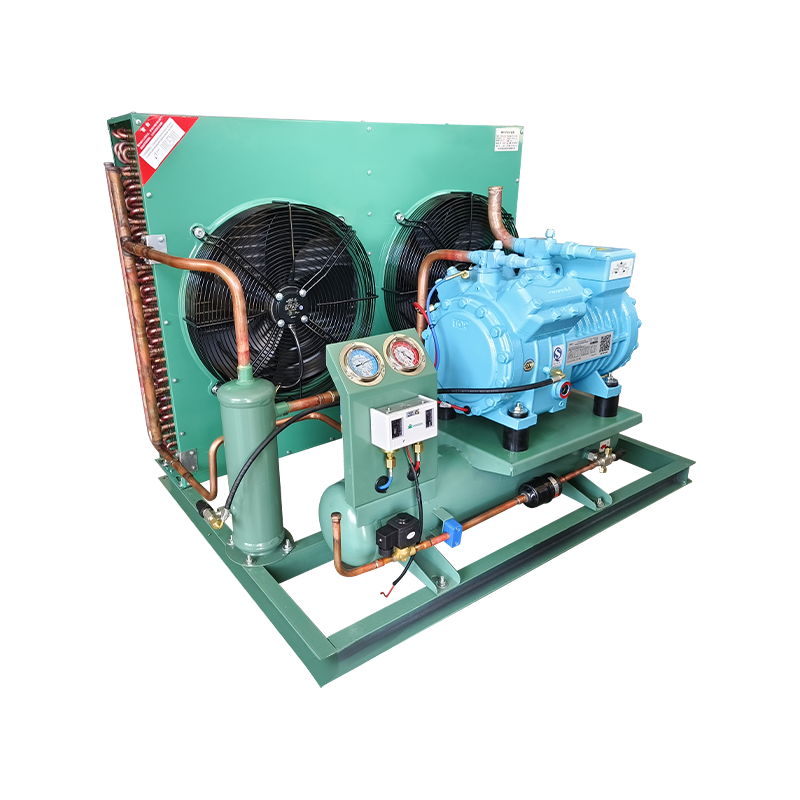 Medium-to-Low Temperature Air-Cooled Condensing UnitAn air-cooled condensing unit for -30°C to +10°C cold rooms, avoiding water-side DPCV and plumbing; power ranges from 1.82 to 23.7 kW.View Product →
Commission with gauges at the points the valve is meant to control, not at the pump discharge alone. Record the differential at full load, at minimum load, and during pull-down. Listen for noise at low flow and check that the actuator moves smoothly. During maintenance, inspect strainers, check for diaphragm wear, and confirm that no one has changed the setpoint to compensate for a fouled coil. A DPCV is a simple device, but it rewards a simple routine: observe, measure, clean, and only then adjust.
A well-set differential pressure control valve does not draw attention to itself. It keeps flows within range, gives control valves a stable working condition, and helps the condensing unit and evaporator work together. If you are planning a cold room, a water-cooled system, or a retrofit, start with the load profile and the loop design. Then choose the valve to match that design, not the other way around.
For exclusive deals and latest offers, sign up by entering your email address below.

We specialise in the refrigeration industry. Please feel free to contact us.
