


 English
 中文简体
中文简体 Español
Home / News / Industry News / Refrigeration Check Valves: What They Do and Why They Matter in Cold Rooms
Industry News
Every refrigeration system depends on a carefully balanced flow of refrigerant. When that flow moves in the wrong direction, even for a moment, performance suffers and critical components pay the price. That is why refrigeration check valves deserve more attention than they usually get. As a professional condensing unit manufacturer, Changzhou Aosheng Refrigeration Technology designs and builds equipment for commercial cold rooms and cold storage projects. We have seen firsthand how a well-chosen check valve keeps a system running smoothly for years.
In this guide, we explain what refrigeration check valves are, how they work, the main types available, and what to keep in mind when selecting, installing, or maintaining them. We also share practical advice drawn from our daily experience of building condensing units for real-world refrigeration projects.
Content
A refrigeration check valve is a small, one-way valve installed in the refrigerant line. Its job is simple: allow refrigerant to flow in one direction only and block any reverse flow. When the compressor stops, pressure differences in the system can push refrigerant backward through the lines. This backflow causes several problems, including reduced cooling efficiency, unnecessary strain on the compressor, and even liquid refrigerant entering the compressor on the next startup.
By sealing the line the moment reverse pressure appears, a check valve keeps refrigerant where it belongs. This preserves system efficiency, protects the compressor, and makes the whole unit more predictable and reliable. In systems with multiple evaporators or parallel compressors, check valves also prevent refrigerant from taking a shortcut through an idle component, which keeps the load balanced and the temperatures stable.
Most refrigeration check valves use a small ball or piston that sits against a seat. When the compressor pushes refrigerant in the correct direction, the pressure lifts the ball off the seat and the refrigerant flows through. When the compressor stops and pressure reverses, the ball is pushed back against the seat, forming a tight seal that stops any backward movement.
Two common designs are used in commercial refrigeration today: steel ball check valves and magnetic check valves. In a steel ball design, the ball is held in place by gravity and a spring. In a magnetic design, a small magnet helps pull the ball onto the seat, creating a stronger seal even when the pressure difference between the two sides is small.
Both designs have been used in refrigeration for decades, but they behave differently in real-world conditions. The table below summarizes the main differences that matter for commercial refrigeration systems.
| Feature | Steel Ball Check Valve | Magnetic Check Valve |
|---|---|---|
| Closing force | Gravity and spring force | Magnetic pull plus spring force |
| Seal strength | Good, but depends on mounting position | Stronger, especially at low pressure differences |
| Orientation sensitivity | Higher; position affects closure | Lower; works reliably in more orientations |
| Debris tolerance | Minor debris can prevent proper seating | Magnetic force helps overcome minor contamination |
For most commercial refrigeration applications, magnetic check valves offer better long-term reliability. Their stronger sealing force reduces the risk of silent leakage, which is particularly important in condensing units where efficiency and stable operation are the top priorities.
Condensing units are the heart of many cold storage systems, and check valves are part of what makes them behave well under changing loads. In a typical air-cooling condensing unit, the check valve prevents refrigerant from flowing backward through the condenser when the compressor cycles off. Without it, the high-pressure side would slowly equalize with the low-pressure side, making the next startup harder and less efficient.
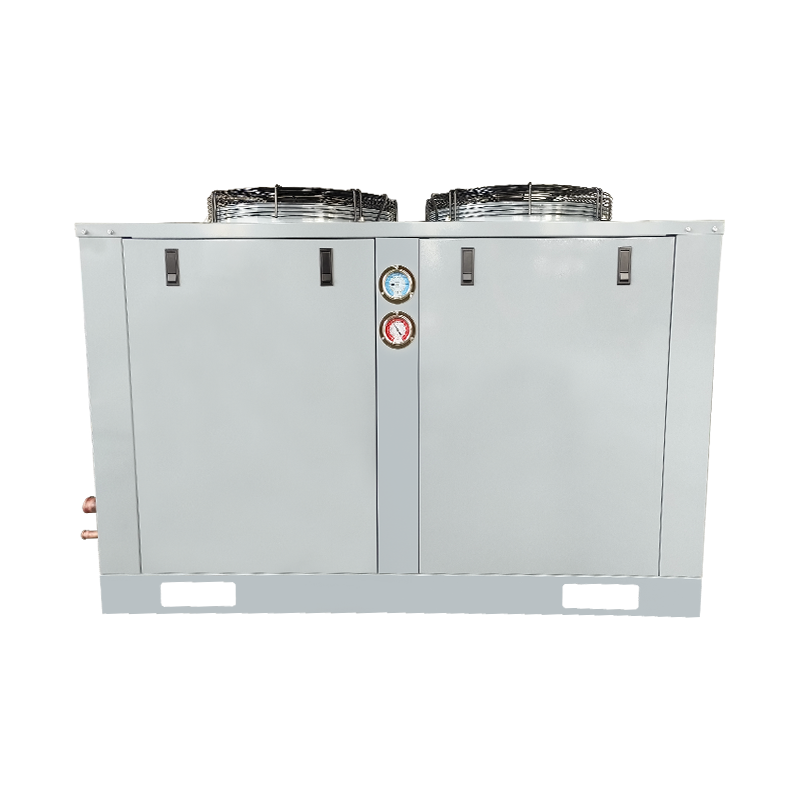
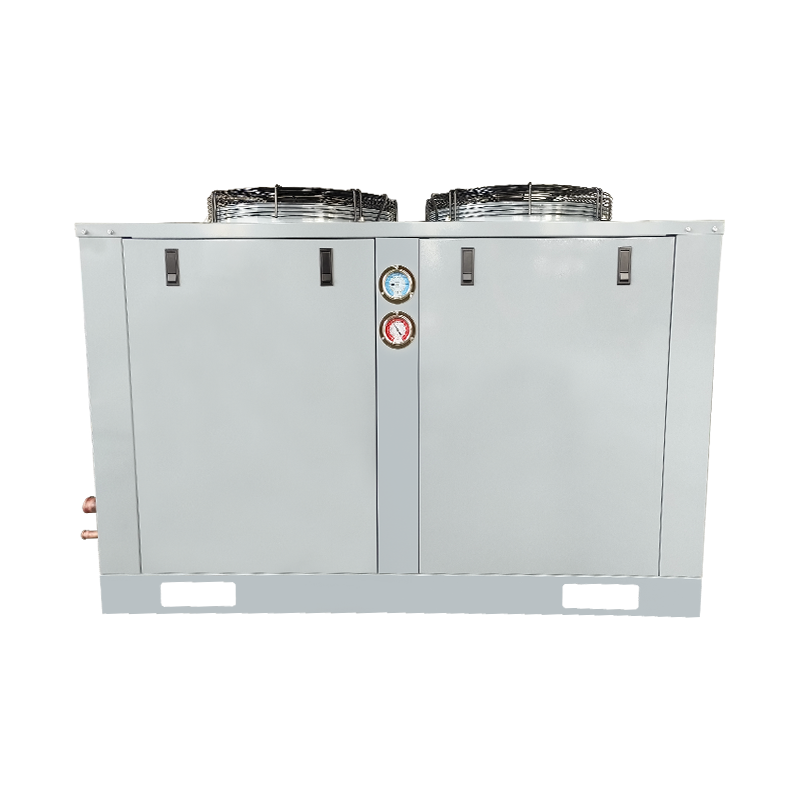
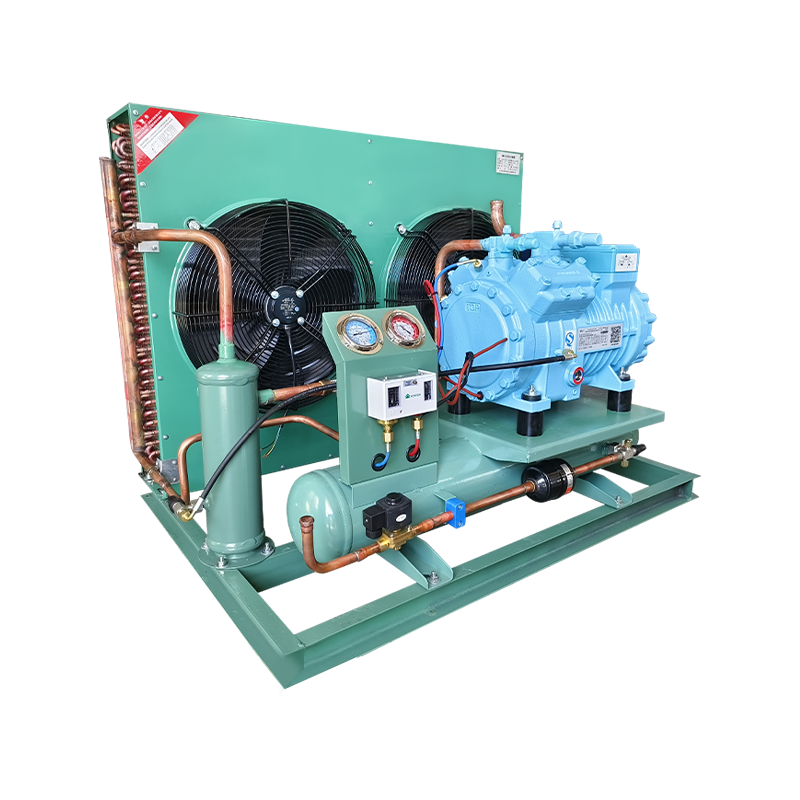 Medium to High Temperature Air-Cooled Condensing UnitThis air-cooled condensing unit suits small to mid-sized cold rooms and water-scarce regions. Its check valve prevents refrigerant backflow during compressor shutdown, supporting efficient startup and stable operation.View Product →
In more advanced systems, such as hot-gas defrost or variable-frequency designs, check valves play an even bigger role. They prevent hot gas from entering the evaporator during normal cooling operation and keep defrost pressure where it belongs. Precision refrigerant control is essential in these systems, and a reliable check valve is part of that control.
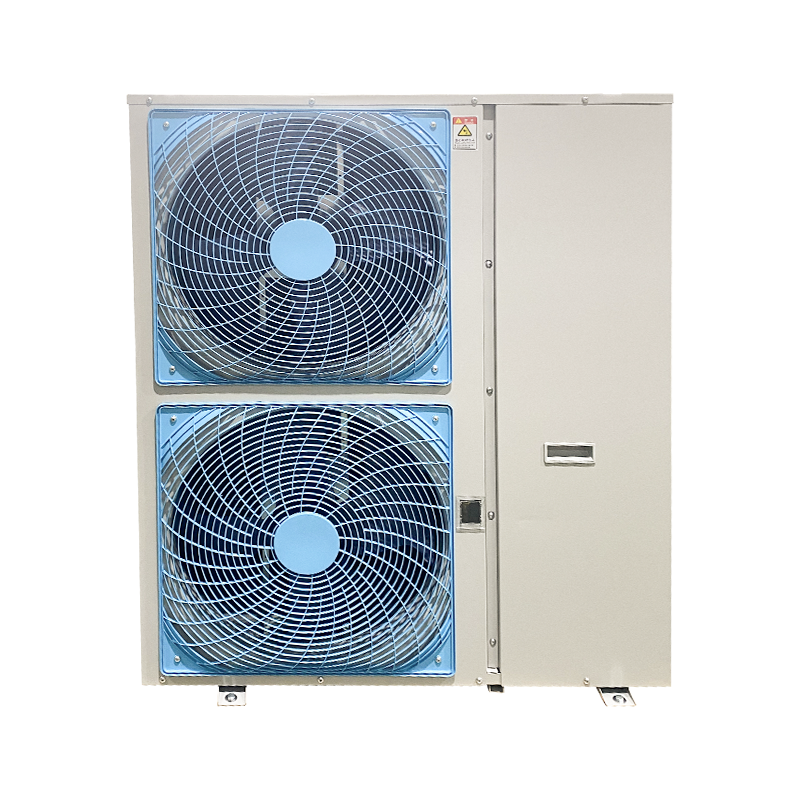
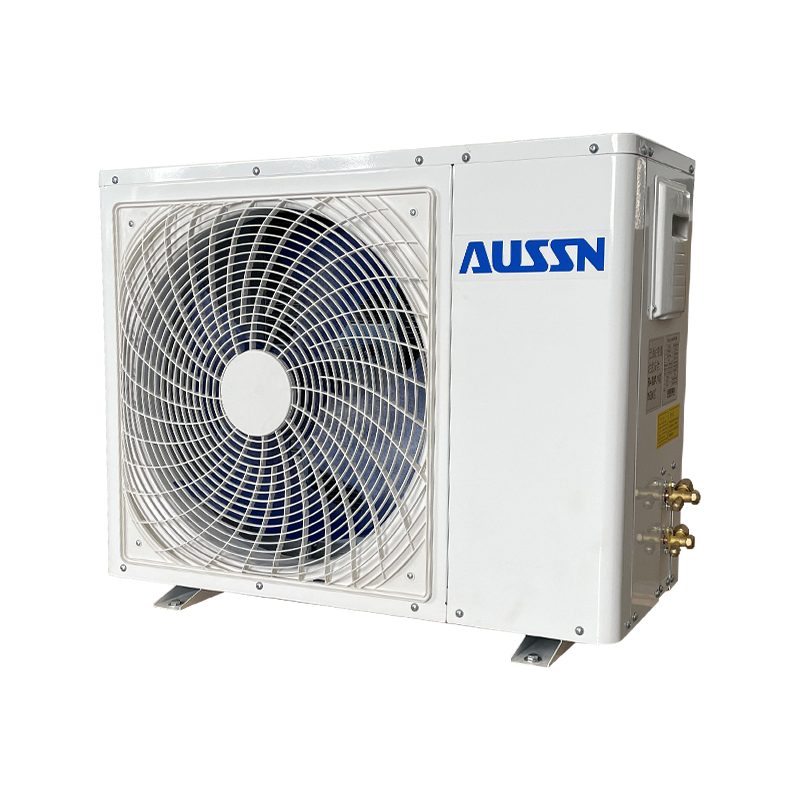 Variable Frequency Hot Gas Defrost Unit with VFD ControlThis advanced unit combines hot gas defrost with variable frequency drive for precise temperature management. Its check valve keeps hot gas from entering the evaporator in cooling mode, enabling reliable defrost cycles and energy savings.View Product →
When selecting a condensing unit, it is worth asking how the check valves are chosen and tested. At our factory, every unit is assembled with quality components and checked for stable operation before delivery. The result is a system that keeps working efficiently through thousands of on-off cycles.
A check valve only performs well if it is installed correctly and inspected regularly. Follow these best practices to get the most from your refrigeration check valves.
For teams planning a new cold room or upgrading an existing unit, understanding these details makes a real difference in long-term operating cost. You can also review the essential features to look for when comparing refrigeration components for your project.
Steel ball check valves can be sensitive to mounting angle because the ball relies on gravity and spring force to close properly. Magnetic check valves are more forgiving in this respect. In every case, follow the manufacturer's installation instructions for the specific valve model.
Common warning signs include rising energy consumption, compressor short-cycling, unusual temperature swings in the cold room, and sweat or frost forming on the valve body. If the valve fails to seal, you may also hear a rattling noise when the compressor shuts off.
Yes. Replacing the check valve during a compressor change is a low-cost way to protect the new compressor from debris and liquid slugging. It also saves you a second service visit if the old valve fails soon after the repair.
Refrigeration check valves are small components, but their impact on system efficiency and compressor life is anything but small. Whether you are building a commercial cold room, maintaining a cold storage warehouse, or replacing parts in an existing condensing unit, choosing a reliable check valve and installing it correctly should always be part of the plan.
At Changzhou Aosheng Refrigeration Technology, we apply the same careful thinking to every part of our condensing units. From the check valves and compressors to the cabinet and control system, each component is selected to work as part of a dependable whole. If you are evaluating equipment for a temperature-controlled project, take a closer look at our range of condensing solutions.
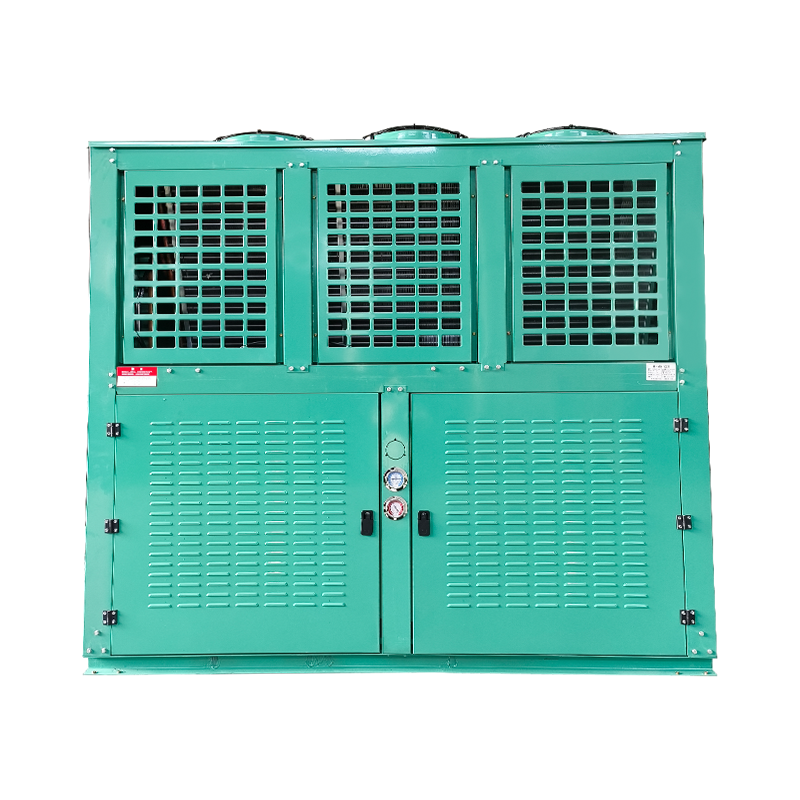
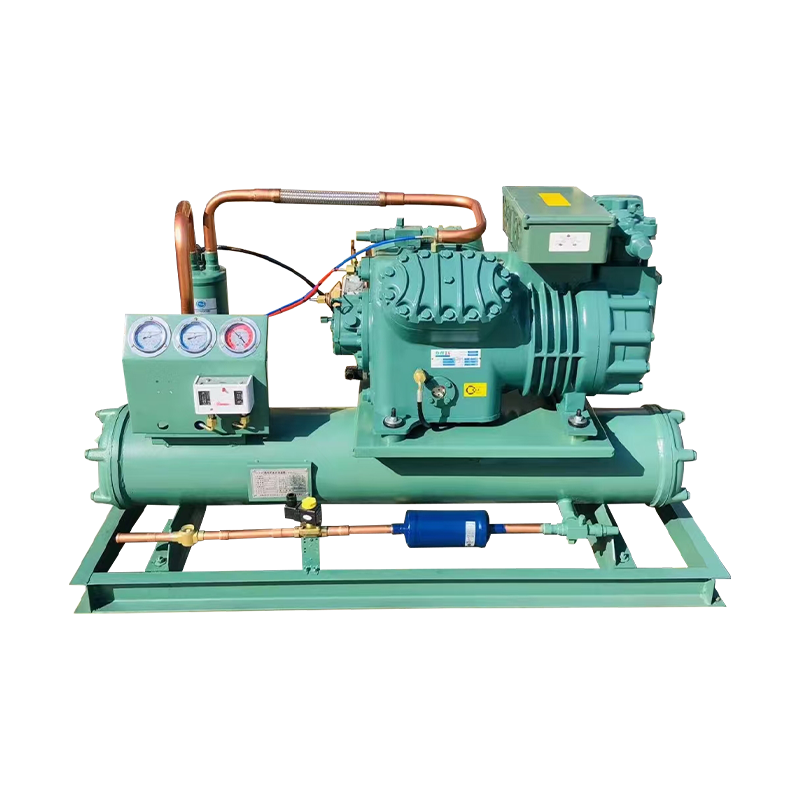 Water-Cooled Condensing Unit for Cold StorageDesigned for medium to large cold storage and high ambient temperatures, this unit uses water circulation for efficient heat rejection. Its reliable check valve helps maintain proper refrigerant flow and stable performance under continuous load.View Product →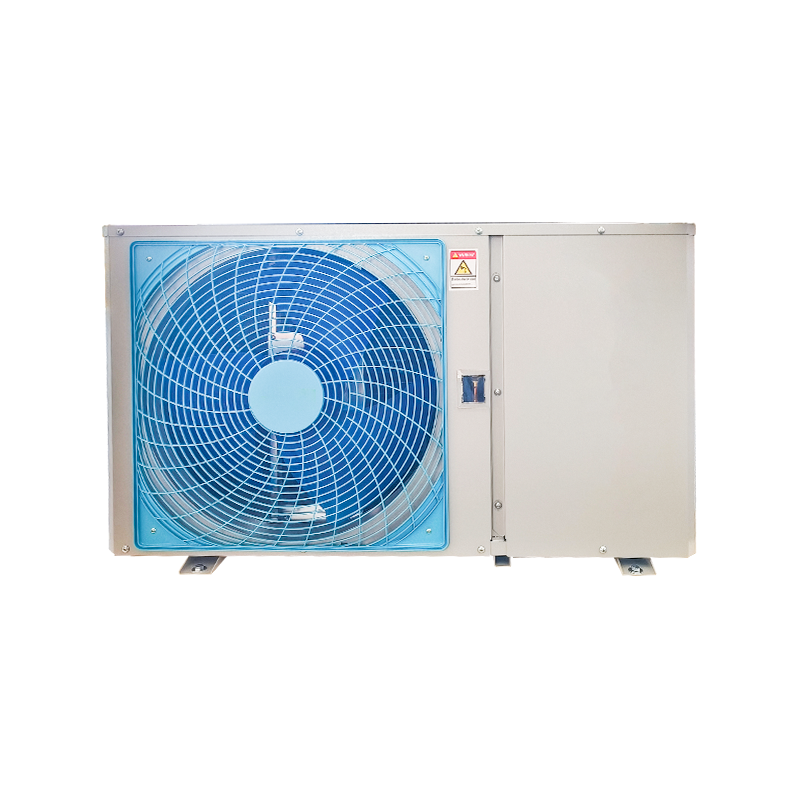
For exclusive deals and latest offers, sign up by entering your email address below.

We specialise in the refrigeration industry. Please feel free to contact us.
