


 English
 中文简体
中文简体 Español
Home / News / Industry News / inverter for compressor: Applications, Selection Criteria, and Practical Guidance
Industry News
In the world of commercial refrigeration, the term "inverter for compressor" has become a game-changer. Over the past two decades, I've worked alongside countless engineers and facility managers who once relied solely on fixed-speed compressors. The shift to variable frequency technology isn't just a trend—it's a fundamental improvement in how we control temperature, save energy, and extend equipment life. At AUSSN, we’ve embraced this evolution, integrating advanced inverter solutions into our condensing units, evaporators, and monoblock systems. Let me walk you through what an inverter for compressor really does and why it matters for your cold storage or commercial display application.
Content
An inverter for compressor is an electronic drive that converts incoming AC power to a variable-frequency AC output, allowing the compressor motor to run at different speeds. Instead of cycling on and off like a traditional fixed-speed compressor, an inverter-driven compressor adjusts its rotational speed to match the exact cooling demand at any moment. This means when the load is low, the compressor slows down; when demand spikes, it speeds up. The result is precise temperature control, significantly reduced energy consumption, and fewer start-stop cycles that wear out mechanical components.
In the refrigeration industry, we often call this "variable capacity" or "variable speed" technology. The key components include a rectifier that converts AC to DC, a capacitor bank that smooths the DC bus voltage, and an inverter module that uses IGBT switches to produce a variable-frequency sine wave. The compressor itself is typically a scroll or rotary type designed to handle continuous speed variation. Our experience has shown that a properly tuned inverter system can lower energy bills by 30% to 50% compared to conventional units, especially in applications with fluctuating loads like supermarket cold rooms or blast freezers.
To appreciate the benefits, it helps to compare inverter-driven compressors with traditional fixed-speed models. The table below summarizes the key differences in real-world performance.
| Parameter | Inverter-Driven Compressor | Fixed-Speed Compressor |
|---|---|---|
| Speed Control | Continuous variable (e.g., 15–120 Hz) | On/off only |
| Temperature Fluctuation | ±0.5°C or better | ±2°C to ±4°C |
| Energy Efficiency | Up to 50% savings | Baseline |
| Mechanical Wear | Low (soft start, fewer cycles) | Higher (frequent starts) |
| Noise Level | Lower at partial load | Constant full-load noise |
| Initial Cost | Higher | Lower |
In practice, these differences translate into real savings. For example, a cold storage facility running multiple evaporators often sees the compressor operating at part load for hours. With an inverter for compressor, the system adjusts seamlessly, avoiding the energy waste of short-cycling. This is especially critical when you have to maintain stable temperatures for sensitive goods like dairy or frozen seafood. From a maintenance perspective, we’ve observed that inverter-driven units often run for years without compressor failure, thanks to the reduced thermal and mechanical stress.
Selecting the right inverter for compressor setup involves more than just picking a variable-frequency drive. You need to consider the compressor type, the refrigeration capacity, the ambient conditions, and the control algorithm. In our work with condensing units, we’ve found that the most successful installations match the inverter’s operating range to the evaporator’s load profile. A common mistake is oversizing the compressor, which forces the inverter to run at very low speeds inefficiently. Another is ignoring the heat rejection at low speeds—condensing fans must also be controlled to maintain proper system pressures.
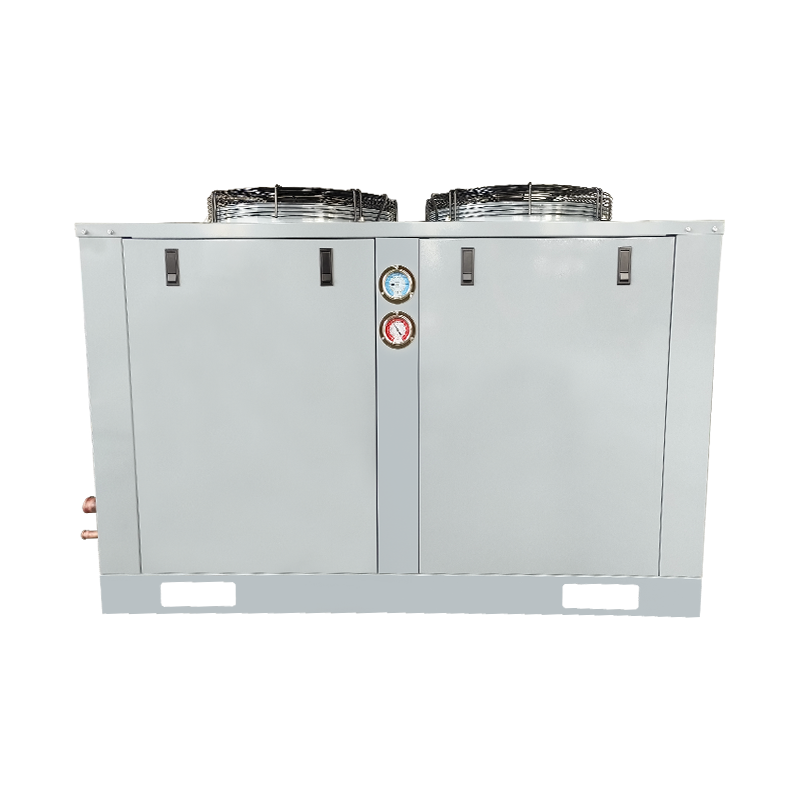
We’ve developed a series of 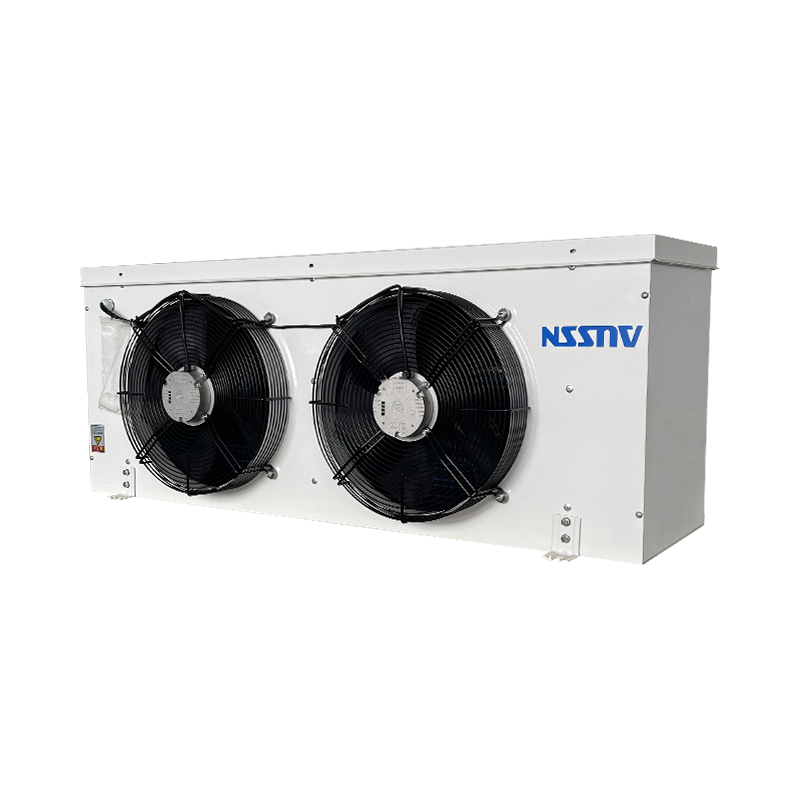 Ai Variable-Frequency Temperature Control Variable Frequency Hot Fluorine UnitThe variable-frequency thermal defrosting unit is precisely temperature-controlled and highly energy-efficient. It features AI variable-frequency temperature control a...View Product → that addresses these challenges. It integrates an intelligent controller that learns the usage patterns and adjusts the compressor speed proactively. For instance, during a pull-down after defrost, the system ramps up quickly to recover temperature, then settles into a low-speed holding mode. This kind of adaptive control is only possible with a sophisticated inverter and feedback loop.
Other considerations include the power quality—inverters can generate harmonics that affect other equipment, so it’s wise to choose units with built-in EMC filters. Also, ensure that the compressor manufacturer approves variable-speed operation, especially for refrigerant compatibility. We always recommend consulting detailed technical data sheets before making a final selection. For a deeper look at how evaporator selection interacts with inverter performance, you can read our guide on medium-temperature rapid pull-down evaporators.
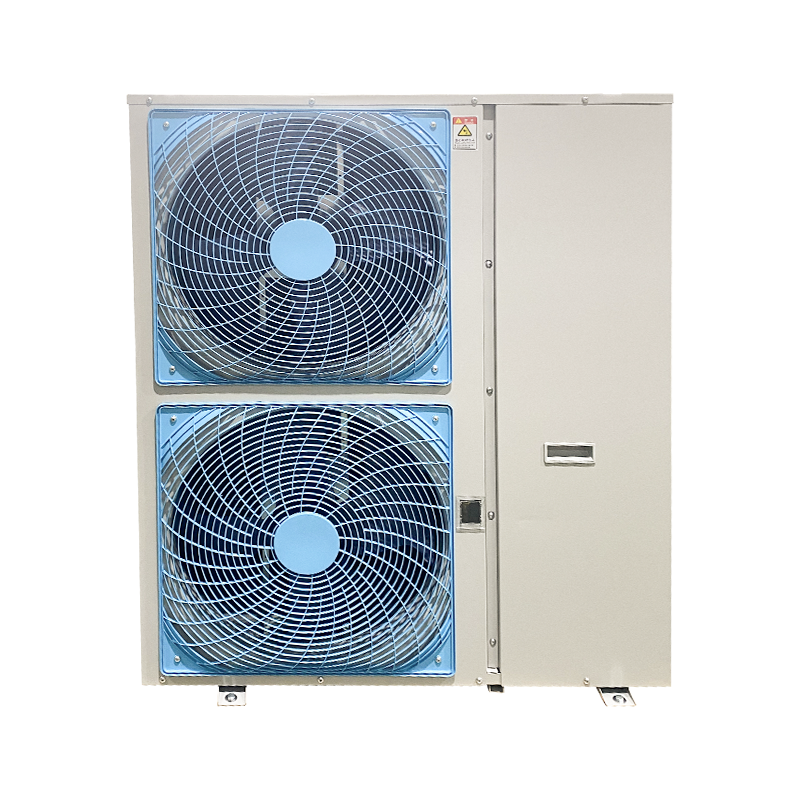
At AUSSN, we believe that an inverter for compressor is only as good as the system it powers. That’s why we’ve engineered our entire product line to take full advantage of variable frequency control. Our 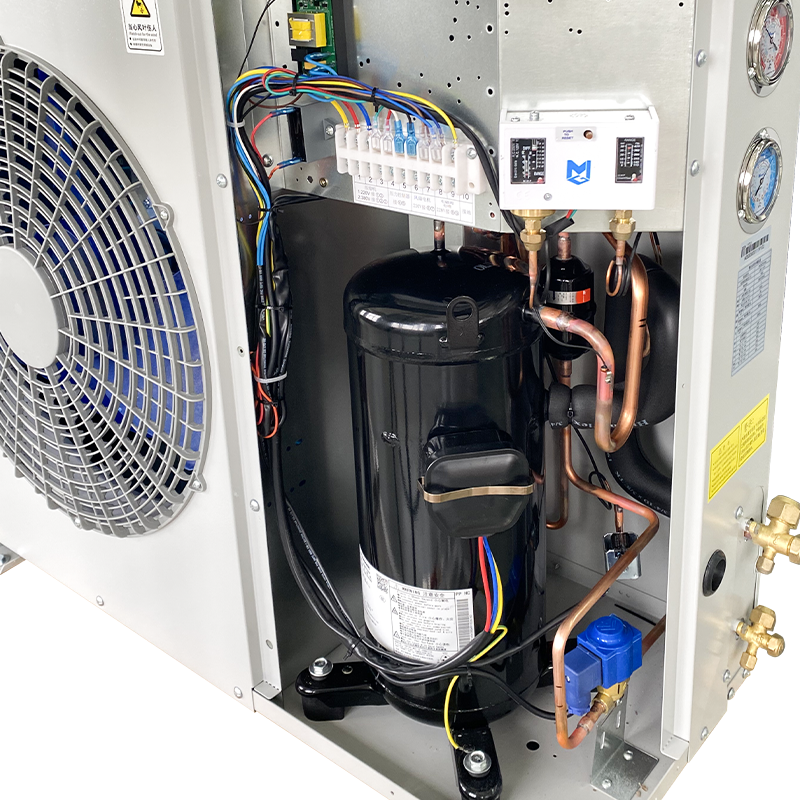 Side Air Outlet Condensing Unit(Using Copeland Compressor) 2-20HPThe SIDE AIR OUTLET CONDENSING UNIT(Using Copeland compressor) 2-20HP, powered by high-performance Copeland scroll compressors, is designed to deliver reliable, effici...View Product → is a perfect example—it combines a reliable inverter scroll with a compact, quiet design ideal for medium-temperature cold rooms. The side-discharge configuration simplifies installation in tight spaces, and the built-in controller optimizes fan speed and compressor modulation together.
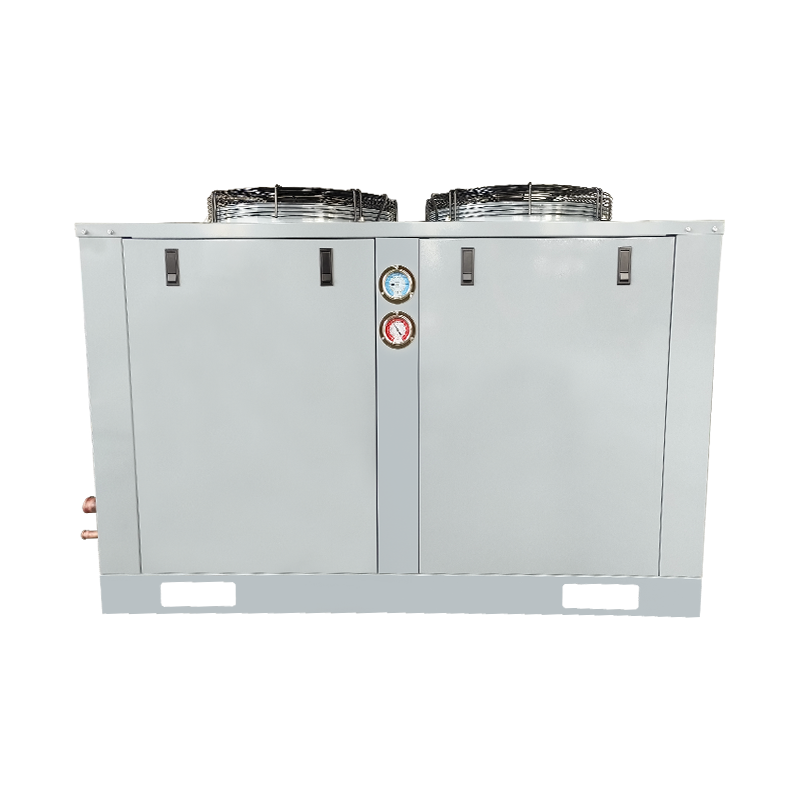
For applications that require an all-in-one package, our 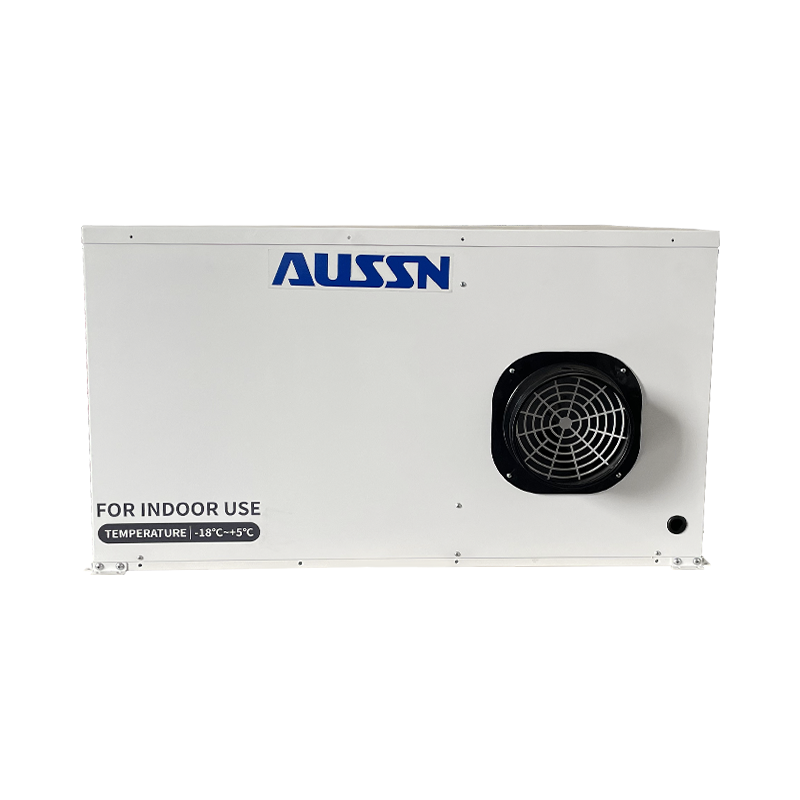 Top Mounted MonoblockThe top-mounted monoblockis suitable for various application scenarios. Standard units can be stacked for top-mounted installation. The outdoor and indoor casings are ...View Product → integrates an inverter-driven compressor, condenser, and evaporator in a single rooftop unit. This eliminates the need for long refrigerant lines and reduces installation labor. Monoblock systems are increasingly popular for small to medium cold stores and refrigerated transport containers, where simplicity and efficiency are paramount. With variable frequency control, the monoblock can precisely match the load while maintaining a small footprint.
We’ve also published insights on how inverter technology improves heating-mode performance in our industry news article how a variable frequency hot fluorine unit improves heating. It explains the defrost cycle enhancements and the seasonal efficiency gains you can expect. Over the years, our customers have reported consistent satisfaction with the reliability and energy savings of our inverter-based systems. Whether you are retrofitting an older cold room or designing a new commercial kitchen, we are here to help you select the right inverter for compressor solution that fits your budget and performance goals.
For exclusive deals and latest offers, sign up by entering your email address below.

We specialise in the refrigeration industry. Please feel free to contact us.
